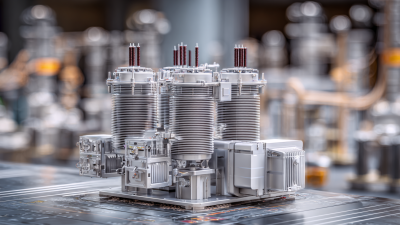
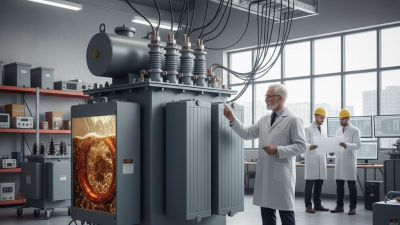
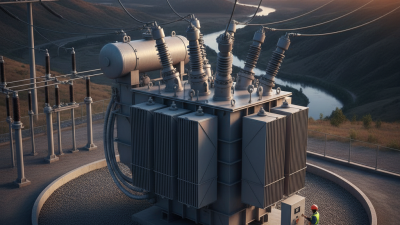
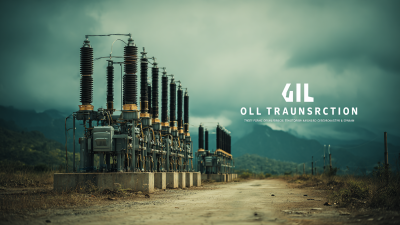
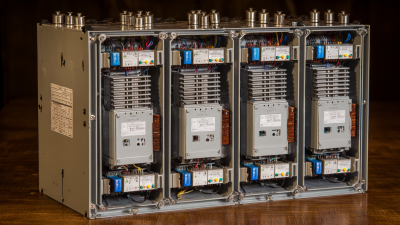
When it comes to energy distribution these days, picking the right Transformer really matters. And if you’re looking at the options out there, anOil Distribution Transformer is often a top choice. These guys are built to handle really high voltages efficiently, making sure everything runs smoothly and reliably. Plus, their sturdy build gives them better insulation and cooling—super important if you’re dealing with big-scale setups.
A lot of companies, like Alpha Energy Solutions, understand just how critical these transformers are for meeting energy needs. The efficiency of an oil-based transformer helps cut down on energy losses, which adds up to some pretty nice savings over time. It also keeps the power steady—something you definitely want whether you’re running an industry or a commercial operation. And let’s not forget, these oil transformers tend to last longer than their dry-type cousins, meaning less money spent on maintenance in the long run.
That said, it’s easy to overlook specific system requirements when choosing A Transformer. Picking the right one isn’t just about what sounds good—it’s about carefully considering capacity, the type of load, and environmental factors. An Oil Distribution Transformer might not fit every situation perfectly. So, it’s always a smart move to chat with some experts and really think about what your system needs. Taking that extra step can help you get the most out of your energy setup, without running into unnecessary issues down the line.
Understanding Oil Distribution Transformers and Their Functionality
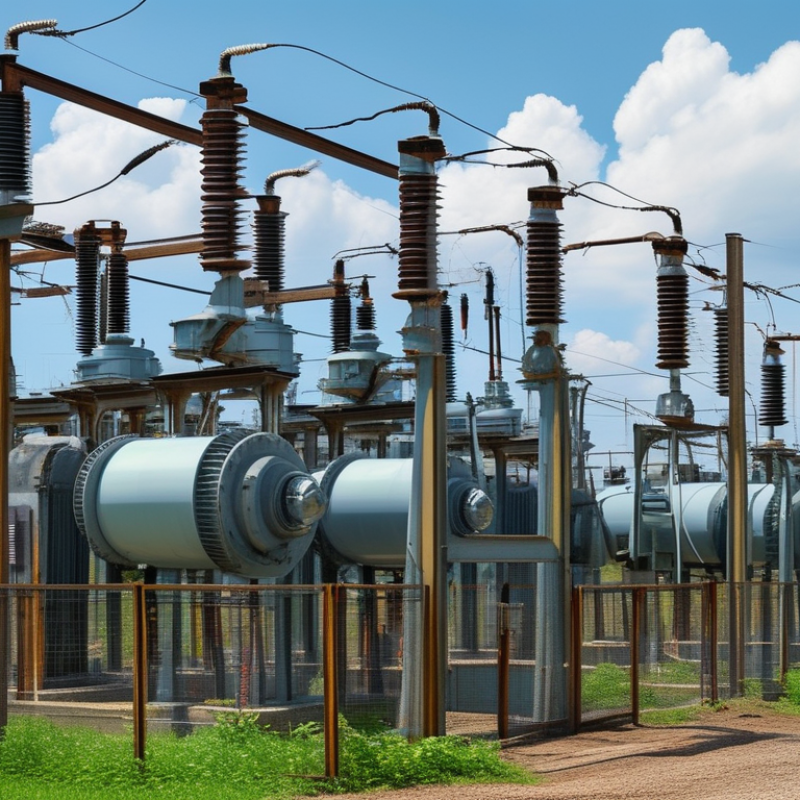
Oil distribution transformers play a critical role in electrical systems. They are designed to step down high voltage electricity to a level suitable for distribution. This process is essential for delivering safe and reliable power to homes and businesses. According to the Electric Power Research Institute, approximately 60% of electricity is transformed at distribution substations using these systems.
These transformers utilize oil for insulation and cooling. This oil serves as a dielectric fluid, allowing for efficient heat dissipation. A well-maintained oil distribution transformer can last over 25 years, but aging and environmental factors can lead to faults. Continuous monitoring of oil quality is vital. One study indicated that nearly 25% of transformer failures result from insulation breakdown due to poor oil condition.
The functionality of oil distribution transformers is crucial for maintaining grid stability. Their design allows for high resilience in adverse weather conditions. However, operational challenges exist, such as the potential for oil leaks, which can be damaging to the environment. The global market is projected to grow at a CAGR of 6.8% from 2021 to 2028, reflecting a robust demand. This highlights the importance of ensuring these transformers meet environmental standards while delivering efficient service.
Key Advantages of Using Oil Distribution Transformers in Energy Distribution
When considering energy distribution, oil distribution transformers present several key advantages. One significant benefit is their ability to handle high loads efficiently. These transformers are designed to operate under a variety of temperatures without compromising performance. This durability is crucial in maintaining reliable energy supply.
Oil distribution transformers also excel in heat dissipation. The oil used in these transformers acts as an effective coolant, preventing overheating during operation. This feature extends the lifespan of the equipment, reducing maintenance costs. However, it’s essential to monitor the oil quality regularly. Degradation of the Distribution Transformer Oil can lead to failures if not addressed promptly.
Moreover, these transformers are often more environmentally friendly. Unlike some alternatives, oil-filled models have less risk of leakage, minimizing environmental impact. Still, users should be mindful of potential spills. Regular inspections can help identify any issues early, ensuring safety and reliability in energy distribution. This balance of benefits and responsibilities highlights the importance of informed decision-making in transformer selection.
Comparative Analysis: Oil Distribution Transformers vs. Air-Cooled Transformers
When considering energy solutions, the choice between oil distribution transformers and air-cooled transformers is essential. Oil-Type Distribution Transformers offer superior thermal performance. According to industry research, they can function effectively in high-load scenarios. Their ability to dissipate heat through oil leads to better efficiency, especially in urban areas where power demands surge.
Air-cooled transformers, while less costly, often suffer from limited cooling capability. This may lead to overheating, especially in warm climates. Data from the IEEE indicates that oil-type distribution transformers can operate at temperatures up to 120 degrees Celsius without compromising performance. On the other hand, air-cooled systems typically overheat above 95 degrees Celsius.
Despite the advantages, oil transformers demand regular maintenance to avert leaks and environmental hazards. This can sometimes pose challenges for operators. Balancing reliability and environmental impact is crucial. In choosing the right transformer, understanding these nuances is vital to ensure optimal energy distribution and minimal downtime.
Why Choose Oil Distribution Transformers for Your Energy Needs? - Comparative Analysis: Oil Distribution Transformers vs. Air-Cooled Transformers
| Feature | Oil Distribution Transformers | Air-Cooled Transformers |
| Cooling Method | Liquid cooling | Air cooling |
| Efficiency | Higher efficiency in heavy loads | Moderate efficiency |
| Maintenance Needs | Requires regular oil checks | Lower maintenance |
| Installation Space | Larger footprint | Compact design |
| Temperature Tolerance | Better at high temperatures | Limited at high temperatures |
| Lifespan | Longer lifespan with proper care | Shorter lifespan under stress |
| Cost | Higher initial cost | Lower initial cost |
| Environmental Impact | Potential leak concerns | Less environmental risk |
Applications of Oil Distribution Transformers in Various Industries
Oil distribution transformers are vital in various industries due to their efficiency and reliability. In the electrical distribution sector, they play a crucial role in stepping down voltage for safe distribution. According to a recent report by the International Energy Agency, the demand for electricity is projected to grow by over 75% by 2040. This surge necessitates robust infrastructure that can handle increased loads. Oil transformers, with their impressive thermal conductivity, support high-capacity operations, ensuring minimal energy losses.
In industrial applications, these transformers are found in factories, power plants, and renewable energy facilities. They efficiently handle the high voltage needed for heavy machinery. Studies show that oil-filled transformers can operate at higher temperatures without compromising performance. This is essential in minimizing downtime and maximizing productivity. Automation in industries benefits from oil transformers, as they ensure consistent power supply and enhance operational stability, thereby reducing maintenance costs.
Despite their advantages, some challenges remain. Oil leakage can present environmental risks. The industry's focus on sustainability prompts a shift towards more eco-friendly alternatives. However, as oil transformers continue to evolve, experts believe they can still play a significant role in powering diverse applications. Ongoing research aims to improve their design and materials to meet future demands efficiently while addressing potential drawbacks.
Maintenance and Longevity of Oil Distribution Transformers
Oil Distribution Transformers play a crucial role in managing energy needs across various industries. Their maintenance is essential for optimal performance. Regular checks can prevent costly downtime. The oil acts as an insulator, so monitoring its quality is vital. Contaminated oil can lead to failures. Technicians should be trained to recognize early signs of deterioration.
Longevity is another significant advantage of oil distribution transformers. Proper maintenance schedules help extend their lifespan. Inspections should include visual assessments and oil analysis. Factors like temperature and humidity impact performance. Routine maintenance might seem tedious, but neglecting it can result in unexpected breakdowns.
Regular maintenance does not eliminate risks. There may still be hidden issues. Over time, insulation can degrade without obvious signs. Using advanced monitoring tools can help identify these potential problems. Investing in a reliable maintenance plan ensures the longevity of the distribution transformer. This enhances the efficiency of energy systems while minimizing interruptions.
Environmental Impact and Safety Considerations of Oil Transformers
Oil distribution transformers are essential for energy efficiency. They play a crucial role in minimizing energy loss during transmission. However, environmental impact and safety are significant considerations. According to a report from the International Electrotechnical Commission (IEC), oil-filled transformers can have a negative impact on local ecosystems if not managed properly.
The oil used in these transformers is often mineral oil, which poses environmental risks. In case of leaks, the oil can contaminate soil and water sources. The IEC recommends regular inspections and maintenance to reduce these risks. Almost 80% of transformer failures are due to moisture and insulation breakdown. Proper management practices can extend the life of transformers and protect the environment.
Safety is equally important. Regardless of their efficiency, oil transformers can represent a fire hazard. According to the National Fire Protection Association, electrical equipment is responsible for over 30,000 fires annually. Utilizing modern technologies can enhance safety measures. For example, installing gas-insulated switchgear can mitigate explosion risks. Balancing efficiency with safety and environmental concerns is vital. Adopting better practices in the Transformer And Distribution sector can lead to safer and cleaner energy solutions.
Environmental Impact of Oil Distribution Transformers
Future Trends in Oil Distribution Transformer Technology and Innovation
In recent years, the demand for oil distribution transformers has surged. This shift is mainly driven by their efficiency and reliability. Companies are exploring innovative technologies to enhance performance. According to a 2022 industry report, global oil transformer sales are projected to grow by 4% annually through 2027. This growth reflects the trend towards smarter energy solutions.
Future trends indicate a shift toward environmentally friendly materials. Many manufacturers are now testing bio-based insulating oils. These alternatives promise to reduce environmental impact significantly. A study from the International Energy Agency suggests that using these oils can cut greenhouse gas emissions by up to 30%. However, these alternatives may still lack the proven performance of traditional mineral oils.
Another emerging trend is the integration of IoT in transformer technology. Smart monitoring helps in predictive maintenance. It significantly reduces downtime. However, this technology raises cybersecurity concerns. Transformers without adequate security may become vulnerable to attacks. This reality prompts a need for better protective measures. Overall, the future of oil distribution transformers is promising yet complex, requiring ongoing adaptation and innovation in the field.
FAQS
: Maintenance ensures optimal performance and prevents costly downtimes due to failures.
Oil acts as an insulator, necessitating quality monitoring to avoid contamination issues.
Following a proper maintenance schedule and conducting regular inspections and oil analyses help extend their lifespan.
Regular maintenance cannot eliminate all risks, as hidden issues may remain undetected over time.
High or low temperatures and humidity levels can significantly impact the performance of transformers.
Yes, there’s a growing focus on environmentally friendly materials and IoT integration for smarter monitoring.
Bio-based oils are tested alternatives that may reduce environmental impact but lack proven performance of traditional oils.
IoT enables predictive maintenance, which helps minimize downtime through proactive monitoring.
Cybersecurity concerns may arise, as inadequately secured transformers can become vulnerable to attacks.
The future shows potential for innovation, yet it requires continuous adaptation to emerging challenges.
Conclusion
Oil Distribution Transformers are essential components in energy distribution systems, offering unique functionality tailored to various industrial needs. Their key advantages include enhanced efficiency, improved heat dissipation, and increased reliability compared to air-cooled transformers. These transformers find applications across diverse sectors, from manufacturing to renewable energy, ensuring a stable power supply.
Maintenance is crucial for the longevity of Oil Distribution Transformers, requiring regular inspections and proactive care to prevent issues. Environmental impact and safety considerations are also important, with innovations in technology focusing on reducing ecological footprints and enhancing operational safety. As the industry evolves, future trends may include advanced materials and smarter designs, further improving the efficiency and sustainability of Oil Distribution Transformers in the energy landscape.