
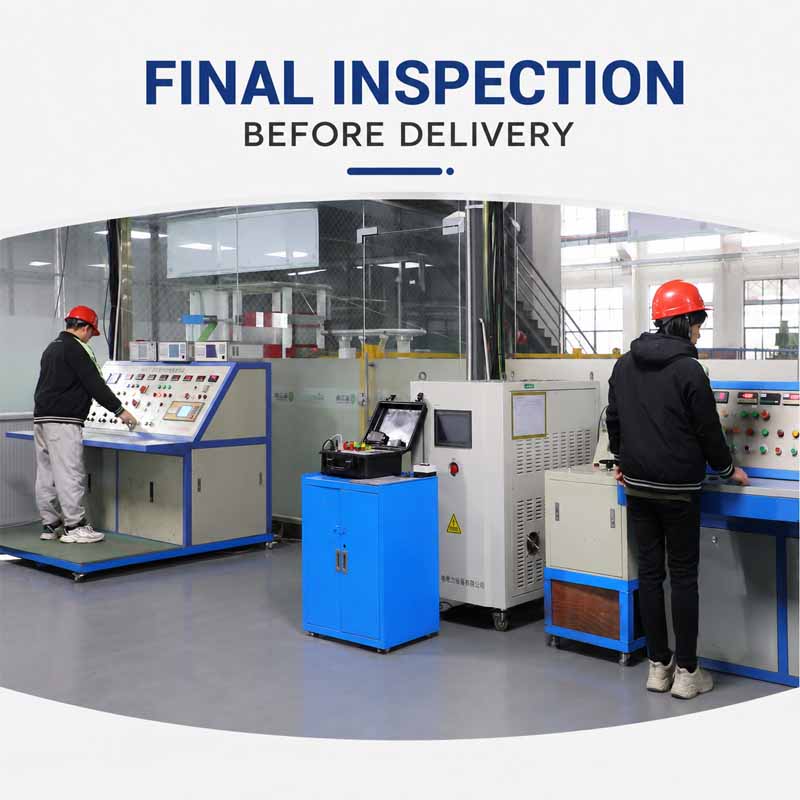
Transformer Testing Process: Key Tests for Quality and Reliability
Transformers play an integral role in electrical systems and are vital for the effective transfer of electrical energy. Transformer testing is an essential part of the manufacturing and quality control process. Before delivery, transformers undergo a series of electrical and performance tests to verify that they meet design requirements and can operate safely and reliably in service. There are various electrical and performance tests that a transformer undergoes before delivery of the transformers which ensure that the transformer complies with the design specifications and can work safely in practice.
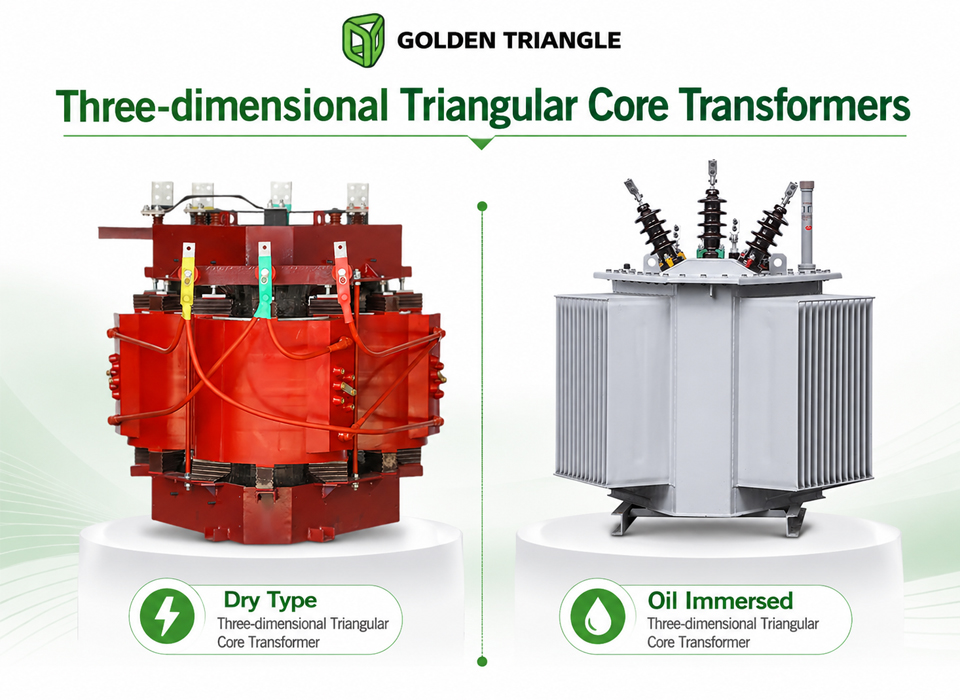
What Is a Three-Dimensional Triangular Core Transformer? Advantages and Applications
The demand for energy-efficient power systems has encouraged manufacturers to develop advanced core technology solutions to minimize losses and improve performance levels. Traditional transformer designs often encounter operational challenges like excessive no-load loss and wastage of energy in the course of utilization. Modern transformer core technologies offer relevant solutions in terms of improvement of transformer reliability and efficiency.
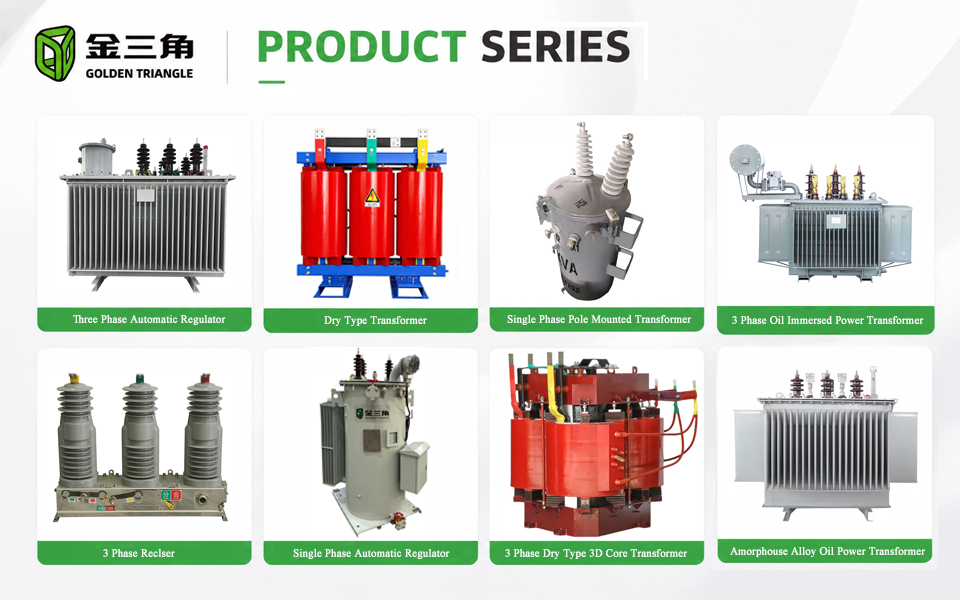
How to Choose a Reliable Transformer Manufacturer in China
It is very important to choose one of the reliable transformer manufacturer in China to guarantee good quality of products, reliability of projects, and efficiency of their operation over time when purchasing transformers from this country. Because there are numerous suppliers to choose from, buyers should assess them based on such criteria as production capability, qualification, quality assurance and export experience, rather than on the price.
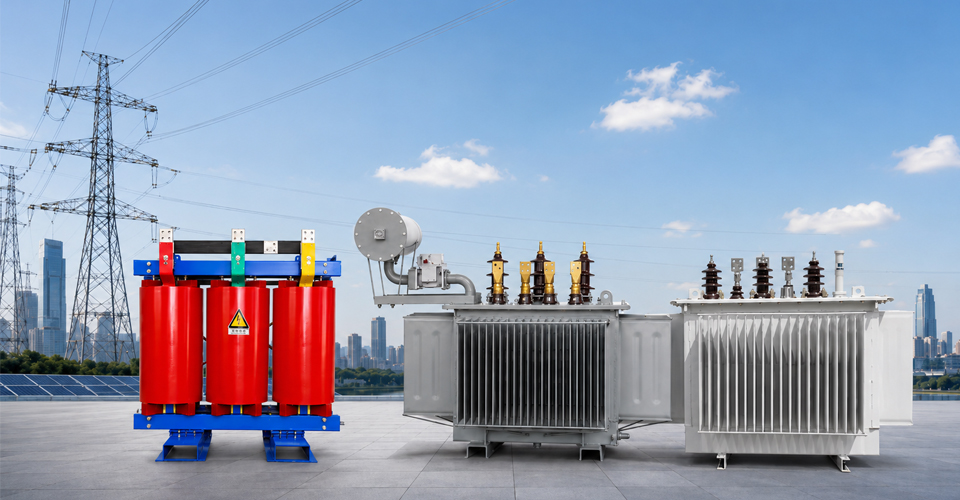
Global Transformer Market Trends: Energy Efficiency, Low Loss Technology and Future Development
The global transformer market is experiencing considerable changes due to renewable energy developments, modernization of the power grid, and the growing need for efficiency. The increase in energy consumption has necessitated the demand for energy-efficient transformers. This article will analyze the main trends in the transformer market, particularly emphasizing the need for low loss transformers and their significance in energy systems.
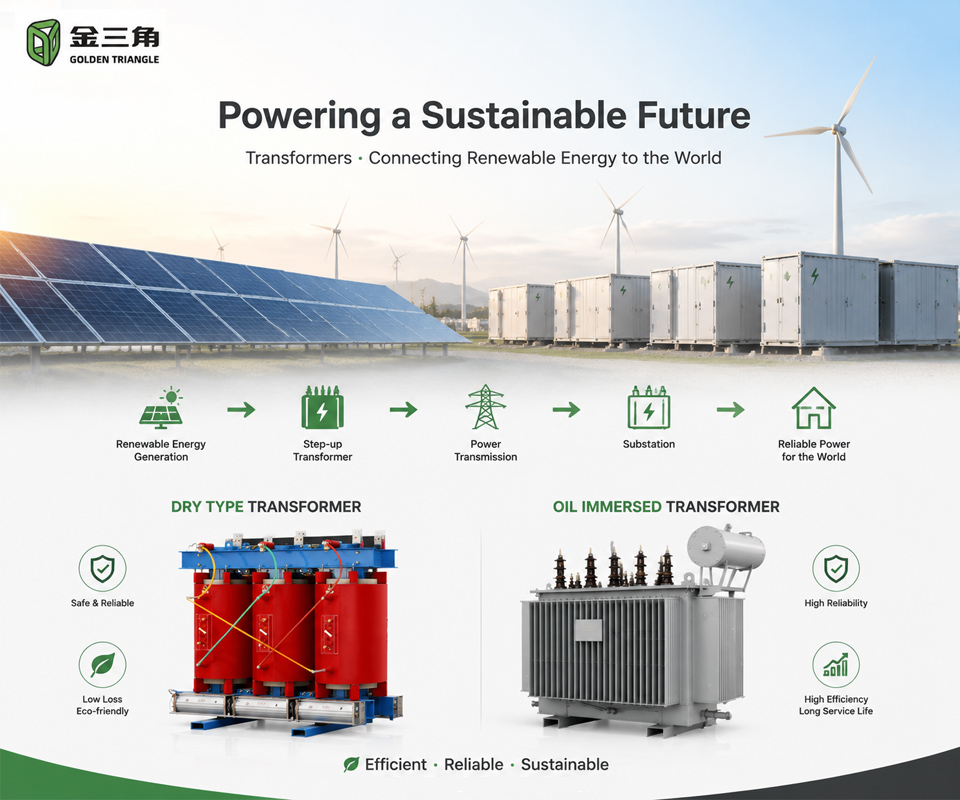
The Role of Transformers in Renewable Energy Projects
Renewable energy projects are on the up, the increase in the use of renewable energy technologies has intensified. One of the key aspects of this transition is the transformer, which allows effective energy transmission. Any worker involved in energy generation or distribution should be aware of the importance of all transformers and renewable energy transformers.
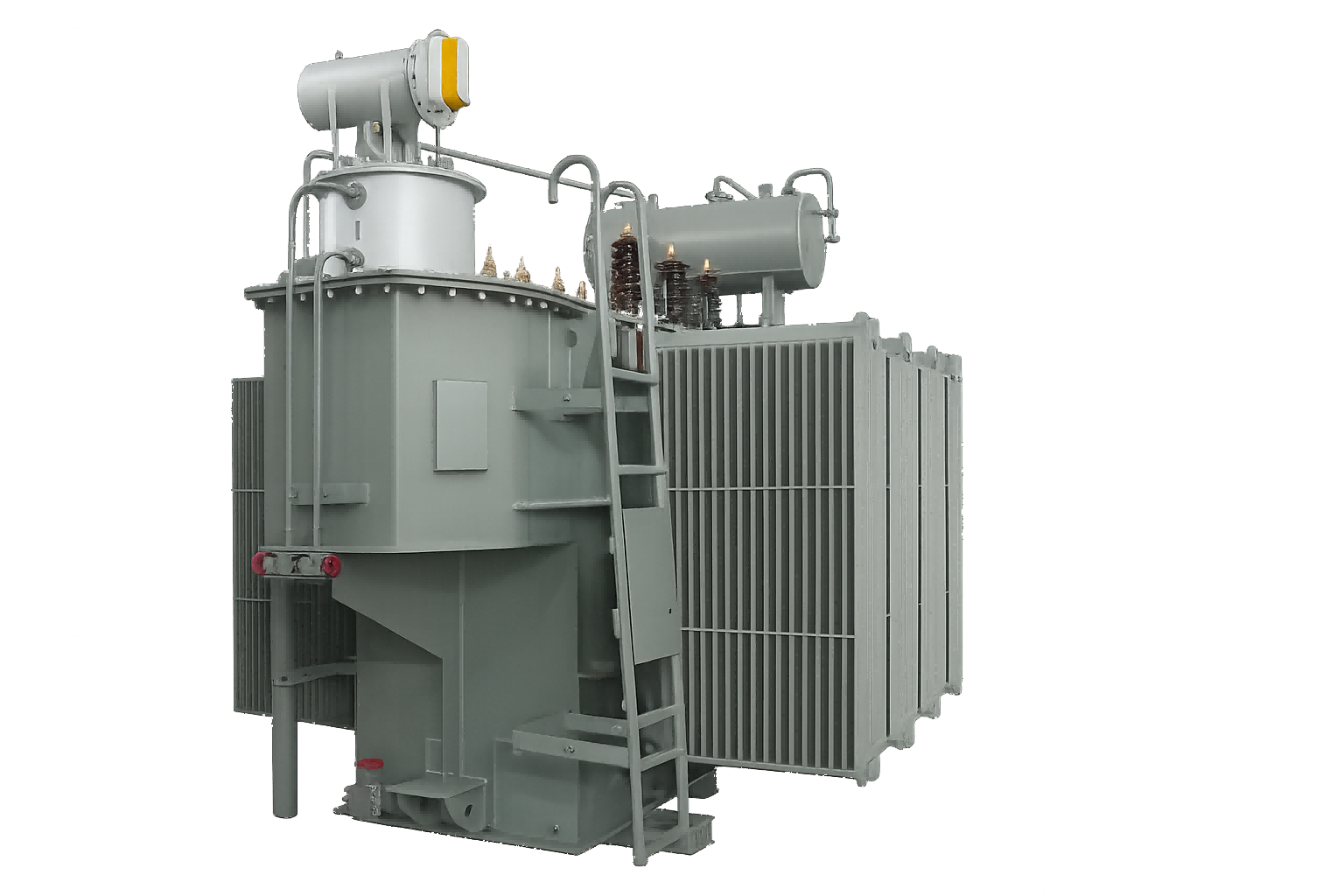
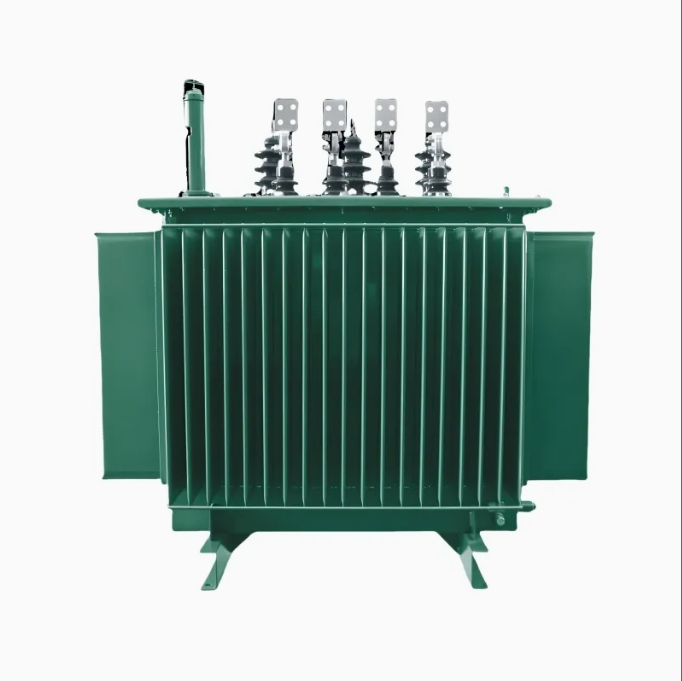
SZ-33/11kV Oil-Immersed Power Transformer
The SZ series transformers feature an on-load tap-changer (OLTC) design, enabling stable output voltage adjustment without power interruption. The transformer capacity typically ranges from 1,000kVA to 31500kVA (customizable for larger capacities), making them suitable for adapting to grid voltage fluctuations. Manufactured with high-quality cold-rolled grain-oriented silicon steel cores and high-conductivity copper windings, combined with high-grade insulating oil, these transformers deliver high load capacity, low losses, low noise, and strong short-circuit withstand capability. With excellent electrical performance, heat dissipation, and operational reliability, the SZ series is particularly well-suited for large-scale power applications that demand high supply continuity and power quality.
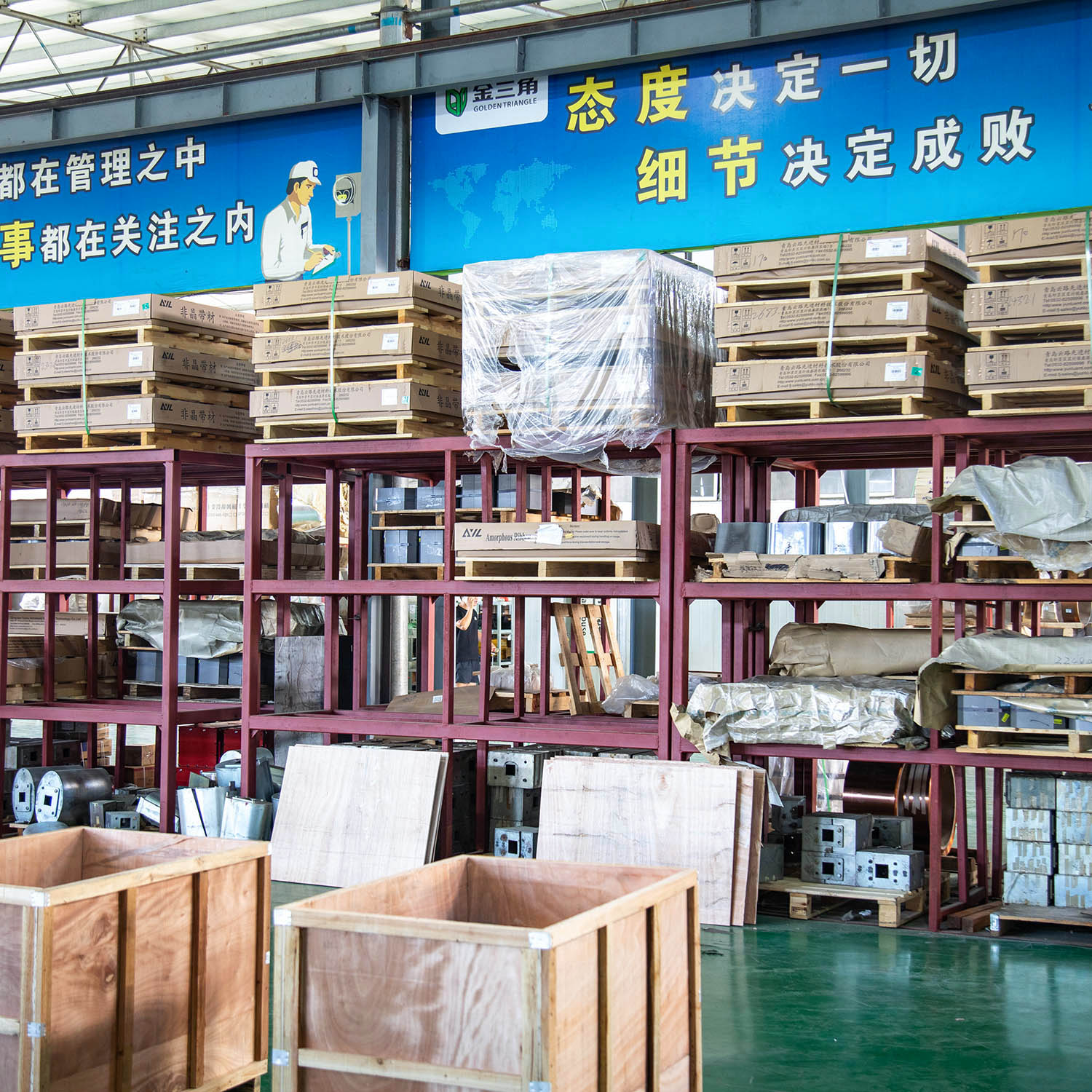
The impact of the rise of AI on the transformer industry
The rise of AI is profoundly reshaping the transformer industry from four aspects: the emergence of demand, product upgrades, intelligent manufacturing and operation, and the structuring of the industry chain. It represents both a huge growth opportunity and a technological and business model elimination competition.
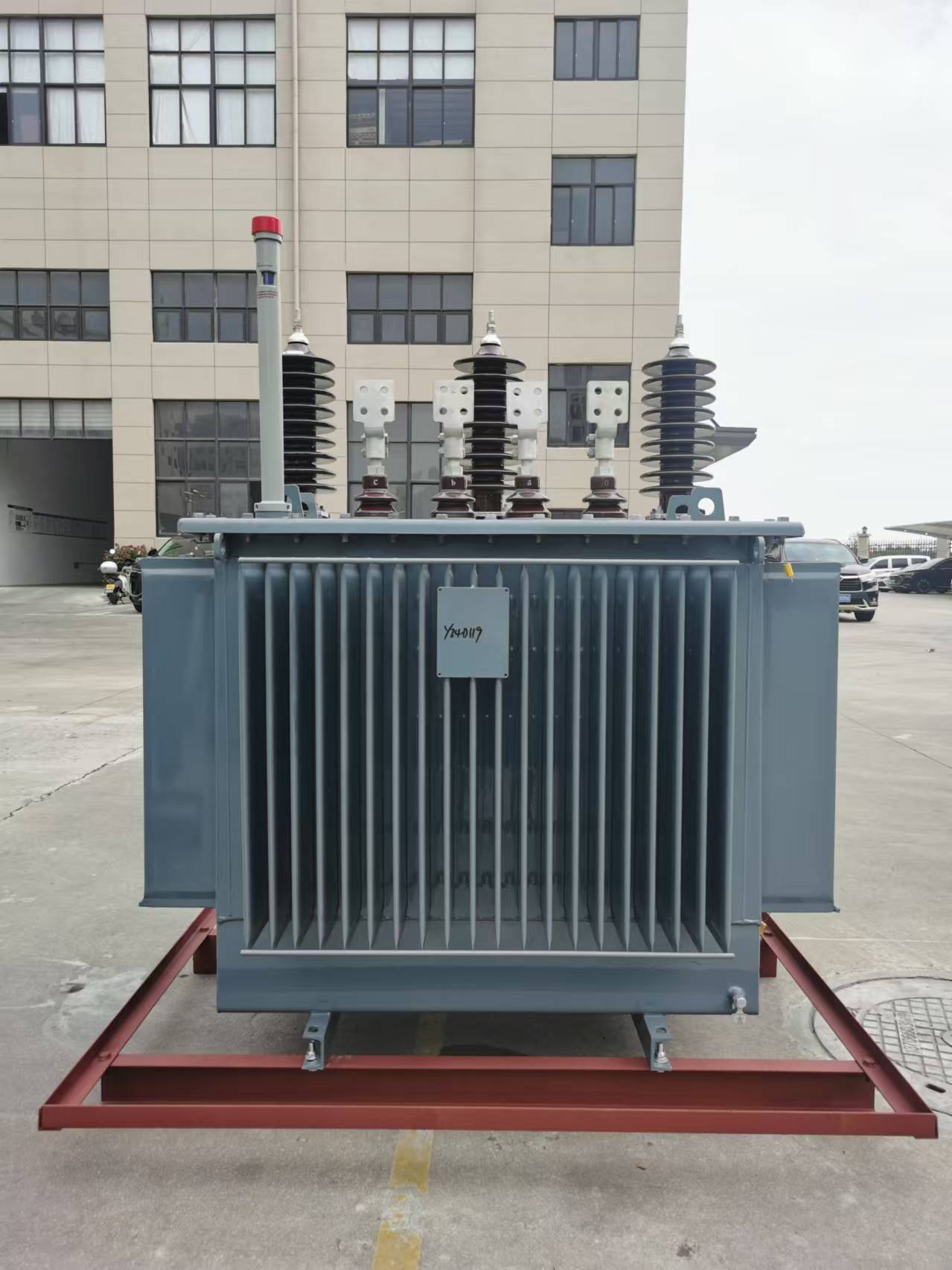
What is the function of the transformer bushing?
The transformer bushing is a crucial component that allows the high-voltage lines to pass through the transformer oil tank while providing insulation and fixation.
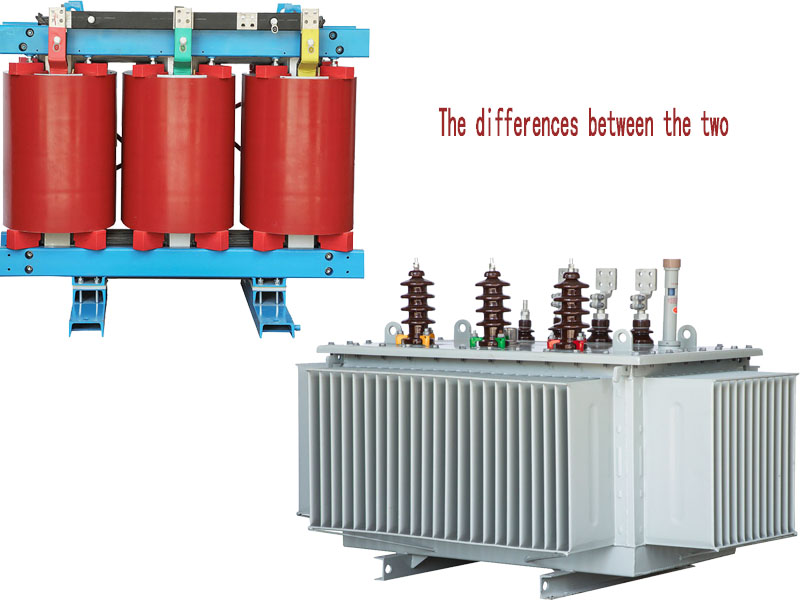
The Differences Between Oil-Immersed Transformers and Dry-Type Transformers
Choosing the appropriate transformer for your power distribution needs requires that you differentiate between oil-filled transformers and dry-type transformers. The two transform the electricity throughout your facility. However, there are important differences in their construction, application, performance, and the maintenance required. This article will outline the differences, the pros and cons of each type of transformer, and provide you with information to make an educated decision on your next transformer purchase.