As the global energy scene keeps evolving, we've definitely seen a rise in the need for efficient and reliable electrical gear, especially things like Oil Filled Transformers. Experts are now talking about a pretty solid growth rate—around 5.4% per year—over the next few years, at least in The Transformer side of things. I mean, John Smith from Transformer Insights put it really well when he said, “The push towards greener, sustainable energy sources is going to have a big impact on how these transformers are designed and used.” It just shows how crucial they’ll be in modern power distribution systems.
Now, here's the thing—choosing the right Oil Filled Transformer isn't exactly a walk in the park. There's a lot to consider, like voltage ratings, cooling methods, and how and where you’re gonna install it. And let's be honest—getting these specs wrong can cause operational hiccups, which might mess things up in terms of safety and efficiency. With demand on the rise, manufacturers are having to step up and come up with solutions that not only tick all the regulatory boxes but are also reliable enough for real-world use.
Big players like Siemens and ABB are still pushing the envelope with new innovations, which is great to see. But for anyone looking to buy, it’s super important to really understand what technical details their specific application needs. In this fast-changing world, taking some time to think things through before making a purchase can really pay off—leading to systems that are better equipped and more in tune with sustainable energy goals.
Overview of Oil Filled Transformers and Their Applications
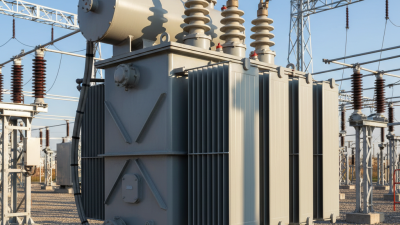
Oil filled transformers have become essential in electrical power distribution. They are designed to handle high voltage levels, offering durability and efficiency. The insulating oil serves multiple purposes, including preventing overheating and protecting internal components from moisture. This oil also enhances the transformer's cooling capacity, which is critical in high-demand scenarios.
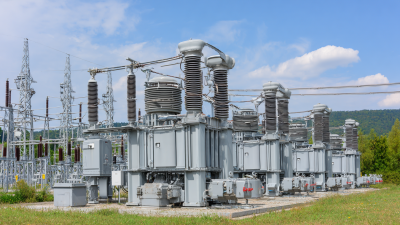
Their applications are widespread. Oil Filled Power Transformers are used in industrial plants, power generation facilities, and substations. These transformers can withstand various environmental conditions, making them suitable for outdoor installations. However, their maintenance requires careful attention, as leaks can lead to environmental issues. Buyers must weigh the benefits against potential liabilities.
Selecting the right oil filled transformer is crucial. Factors such as voltage rating, capacity, and cooling methods should be considered. Users often overlook installation requirements, which can complicate the process. Understanding these intricacies can lead to better decision-making. The expertise in choosing oil filled power transformers ultimately impacts overall system performance and reliability.
Key Features to Consider When Buying Oil Filled Transformers
When selecting oil-filled transformers, it's crucial to focus on key features that enhance performance and reliability. One primary aspect is the insulation type used. Different insulation materials can impact the lifespan and efficiency of the transformer. Oil-filled transformers often use mineral oil. However, biodegradable options are growing in popularity. This shift reflects an increasing commitment to sustainability.
Voltage rating is another critical feature. Understanding your application’s voltage requirements will ensure you select the right transformer. An inadequate voltage rating can lead to malfunction or damage. Also, consider the transformer's cooling method. Oil provides inherent cooling, but the design can differ significantly. Some models utilize forced cooling, while others depend solely on natural circulation. Each method has its pros and cons.
Dimensions and weight are also factors in the decision-making process. Ensure the chosen transformer fits within the allocated space. Oversized models can complicate installation. Additionally, examine the transformer's efficiency ratings. Higher efficiency means reduced energy loss, translating to cost savings. However, high-efficiency models may come with a higher upfront cost. Balancing these aspects is vital for making an informed decision.
2026 Oil Filled Transformer Features Comparison
Types of Oil Filled Transformers Available in the Market
When considering the diverse types of oil filled transformers available, it’s essential to understand their unique characteristics. These transformers are integral in power distribution across multiple sectors. Different Oil Filled Transformer Sizes cater to various needs, from small urban grids to large industrial applications. The size impacts the transformer's cooling capacity and efficiency, making it a critical factor in any purchase.
One common type is the conventional oil filled transformer. These transformers utilize mineral oil for insulation and cooling. They offer good performance under regular conditions; however, environmental concerns arise regarding oil spills and disposal. Meanwhile, there are non-PCB (polychlorinated biphenyl) transformers, which prioritize safety by minimizing hazardous materials. This type is increasingly favored in sustainability-focused initiatives.
Another category worth exploring is the dry-type transformer. While not oil filled, they represent a relevant segment in the market for those avoiding liquid-filled units. They come with benefits such as lower maintenance but may come with size limitations. Each type of oil filled transformer has its pros and cons. Understanding these nuances is crucial for ensuring optimal performance for specific applications. The choice of the right oil filled transformer sizes can make a tangible difference in operational reliability and safety.
Top Manufacturers of Oil Filled Transformers Worldwide
When selecting oil-filled transformers, it's essential to consider the leading manufacturers in the industry. These companies have established a reputation for reliability and quality over the years. Their expertise in design and production showcases a commitment to innovation. Many of these manufacturers are recognized for their extensive product lines, catering to diverse energy needs. They prioritize safety and efficiency, ensuring their transformers meet global standards.
In the competitive market, you may find various options. Some manufacturers focus on sustainability, using eco-friendly materials in their products. Others emphasize advanced technology, enhancing performance and durability. Evaluating these aspects helps buyers identify the best oil-filled transformers for their specific requirements.
Users must be aware, though, that not all producers guarantee the same level of support and service. Some may offer excellent products but lack adequate customer care. Field experience indicates that potential buyers should research these manufacturers thoroughly. Reading customer reviews and professional assessments can provide insights into their reliability. Additionally, understanding warranty and support options is crucial.
While there are numerous choices, not all will align with your operational needs. It’s vital to reflect on your unique situation and the specific features you require in Cooper Oil Filled Transformers.
Factors Influencing the Cost of Oil Filled Transformers
When considering the purchase of oil-filled transformers, several factors affect their cost. The design and complexity of the transformer play significant roles. For example, larger transformers often come with higher manufacturing costs. The type of insulating oil used also influences pricing. High-quality oils may enhance performance but can raise the overall expense.
Materials make a substantial difference in pricing. According to experts, copper is commonly favored due to its efficiency. However, it is more expensive than aluminum. This decision affects both the initial purchase and long-term operational costs. Global supply chain issues can create additional unpredictability in transformer pricing.
Maintenance costs shouldn't be overlooked. Regular upkeep ensures efficiency and extends lifespan. Neglecting this can lead to unexpected failures and high repair costs. Future trends show a push towards more sustainable options. Adapting to these changes might initially seem costly, yet they could yield savings in the long run. Ultimately, careful consideration and weighing these factors are crucial for any buyer looking into Cooper Transformers Oil Filled.
Maintenance Tips for Oil Filled Transformers
Oil filled transformers play a crucial role in electrical distribution systems. Proper maintenance is essential for their longevity and efficiency. Regular checks can significantly reduce the risk of failures. According to industry experts, about 30% of transformer failures are due to inadequate maintenance practices. Ensuring that insulation levels remain within acceptable limits is vital. Debris and moisture should be regularly checked and cleared.
Routine oil testing is an important maintenance step. This can identify potential issues, such as dissolved gases or moisture levels. Notably, electrical arcing can generate gases that indicate a failing transformer. Keeping an eye on these indicators improves system reliability. Neglecting this testing can lead to costly outages.
Another area that deserves attention is the physical condition of the transformer. Corrosion and wear can compromise its structural integrity. Regular visual inspections can help catch these issues early. Engaging certified technicians for in-depth assessments can ensure that hidden problems are spotted. It is crucial to perform these checks at least bi-annually. Overlooking these maintenance steps can lead to unexpected downtime and increased repair costs.
Market Trends and Future Outlook for Oil Filled Transformers
The oil-filled transformer market is evolving rapidly. Recent trends indicate a growing demand for efficient energy solutions. As industries prioritize sustainability, oil-filled transformers are becoming pivotal in energy distribution. These transformers offer excellent insulation and cooling properties, essential for high voltage applications.
However, buyers must consider certain challenges. The environmental impact of synthetic oils raises concerns. Manufacturers face pressure to develop eco-friendly alternatives. The market needs innovations that maintain performance while being environmentally responsible. Additionally, the aging infrastructure in many regions demands upgrades to existing transformer systems, which can be costly and complex.
Looking ahead, the future landscape of oil-filled transformers appears promising. Increased investments in renewable energy sources are driving demand. Adapting these transformers to meet contemporary demands will be crucial. It is essential for buyers to stay informed about technological advancements. Being proactive in understanding market dynamics can lead to better purchasing decisions.
FAQS
: They are essential for power distribution in various sectors, ensuring reliable electricity flow.
The conventional oil filled transformer uses mineral oil for insulation and cooling, offering good performance.
Yes, non-PCB transformers minimize hazardous materials and are preferred for sustainability initiatives.
It is not liquid-filled and offers lower maintenance, but may have size limitations for certain applications.
About 30% of transformer failures stem from inadequate maintenance, highlighting its importance for longevity and efficiency.
Regular checks for insulation, debris, moisture, and oil testing are vital to prevent failures and outages.
It can reveal problems like dissolved gases, indicating potential issues with the transformer's integrity.
Regular visual inspections should occur at least bi-annually to catch corrosion and wear early.
Neglect can lead to unexpected downtime and increased repair costs, impacting operational reliability.
Researching customer reviews and warranty options can help identify reliable manufacturers that meet specific needs.
Conclusion
The "2026 Top Oil Filled Transformer Buying Guide for Global Buyers" offers a comprehensive overview of oil filled transformers, highlighting their vital role in various applications across industries. This guide outlines key features to consider when purchasing oil filled transformers, such as efficiency, insulation properties, and size. Additionally, it categorizes the different types available in the market, providing insight into their specific uses and advantages.
To facilitate informed decisions, the guide discusses leading manufacturers and factors that influence the cost of oil filled transformers, including material quality and technological advancements. It emphasizes the importance of maintenance tips to ensure long-lasting performance and reliability. Lastly, the guide explores current market trends and the future outlook for oil filled transformers, equipping buyers with the knowledge to navigate this essential market effectively.