National hotline:+86 18809263088
- Phone
- E-mail
- Whatsapp
- Wechat

Picking a Reliable Transformer supplier isn’t just about going for the cheapest quote out there. When it comes to a1000kva Transformer, you’ve gotta make sure it matches your site’s load requirements, voltage class, cooling method, insulation level, and the environment it’s going to be installed in. Different setups, like indoor factories, outdoor Substations, or renewable energy projects, all have their own specific needs. Honestly, paying attention to the tiny details really does matter.
This guide takes a look at some of the top suppliers for 1000kVA transformers heading into 2026—names like Schneider Electric, Siemens Energy, Hitachi Energy, Eaton, TBEA, and other well-known manufacturers. Things like their experience, how they test their stuff, certifications, warranty policies, and service networks can all play a part in what you decide to buy. It’s smart to ask for routine test reports, efficiency data, loss figures, delivery timelines, and after-sales support info. Also, don’t forget to double-check the standards they follow—like IEC or regional ones—because sometimes a product might seem affordable until you factor in transportation, accessories, commissioning, and spare parts.
Of course, prices aren’t set in stone. Fluctuations in copper and steel costs, currency exchange rates, how much they can produce, and where your project’s located can all affect the final quote pretty quickly. Plus, some comparison charts you see online might leave out some important details—that’s worth keeping in mind. When choosing a supplier, it’s not just about the rankings or the brand’s popularity. Different applications have different priorities: for example, utilities might care more about fault performance, while a commercial site might focus on noise levels, footprint, or how fast they can deliver. So, this guide offers a practical way to compare suppliers and prices, but at the end of the day, every serious project needs a proper technical review, factory documentation, and at least two solid, verifiable quotes. And honestly, nothing beats actual field experience—spreading out a spreadsheet can’t check loose connections, interpret confusing drawings, or respond to urgent service calls.
All in all, choosing the right transformer isn’t just about numbers; it’s about understanding your specific needs and making an informed decision.
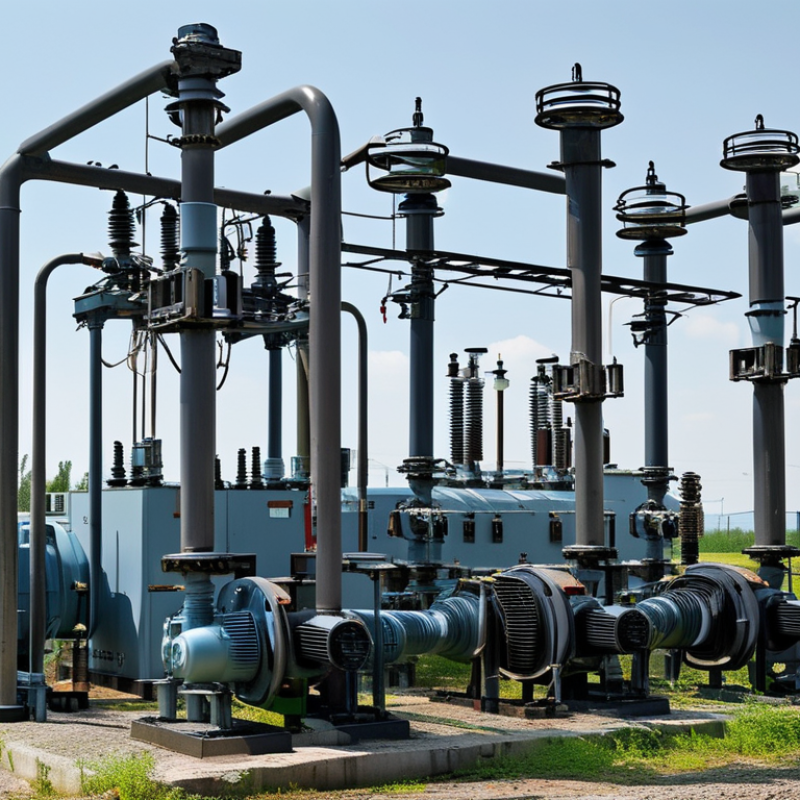
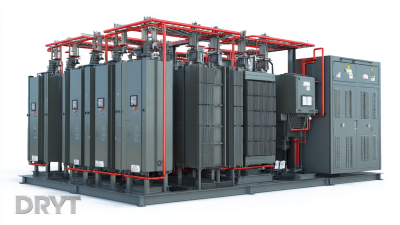
A 1000 kVA transformer is a static electrical device rated for 1,000 kilovolt-amperes of apparent power. It transfers electricity between voltage levels without changing frequency. It does not generate electricity.
A common example converts 11 kV medium voltage to 400 V low voltage for factories, commercial buildings, or small industrial sites. At full load, the low-voltage current can exceed 1,400 amperes in a three-phase system. That demands strong busbars, careful cable sizing, and proper protection.
The transformer may use mineral oil or dry-type insulation. Its nameplate should show voltage ratio, frequency, impedance, cooling method, tap range, losses, and temperature rise. IEC 60076 provides the main international framework for power-transformer design and testing.
The U.S. Department of Energy’s distribution-transformer efficiency rules also emphasize load and no-load losses, which affect lifetime operating costs. The IEA Electricity 2024 report highlights rising grid investment needs as electrification expands. More capacity does not automatically mean better performance.
When comparing China 1000kva Transformer Quotes, buyers should request tested losses, routine-test records, delivery terms, and warranty conditions. A low price can hide higher standby losses or unsuitable accessories.
I have seen specifications that looked complete but omitted impedance tolerance. That omission matters during parallel operation. Oil temperature, factory inspection, and local installation conditions also deserve attention. A 1000 kVA rating is only a starting point, not proof that the unit fits every network.
Smart energy transformers are becoming essential to modern power management as electricity networks face rising demand, distributed generation, and increasingly variable renewable output. The International Energy Agency’s *Electricity 2024* report projects that global electricity demand will grow by an average of approximately 3.3% annually from 2024 to 2026. This expansion places greater pressure on transmission and distribution systems, making intelligent voltage regulation, real-time monitoring, and efficient load management increasingly important.
Unlike conventional equipment, smart transformers can combine advanced sensors, digital controls, communication capabilities, and automated protection. These functions help utilities identify overheating, voltage fluctuations, and abnormal operating conditions before they develop into costly failures. They can also support two-way power flows from rooftop solar systems, battery storage, electric vehicles, and other distributed energy resources. According to the International Renewable Energy Agency’s *Renewable Capacity Statistics 2024*, renewable energy accounted for about 86% of newly installed global power capacity in 2023, highlighting the need for flexible grid infrastructure capable of managing intermittent generation.
For commercial facilities and industrial operators, intelligent transformer solutions can improve power quality while reducing technical losses and maintenance requirements. Integrated analytics enable operators to track transformer health, optimize energy distribution, and schedule maintenance based on actual operating conditions rather than fixed intervals. With stronger digital connectivity and more responsive control, smart transformers can help create a more resilient, efficient, and adaptable energy network.
transformer usually cost in 2026?
Freight, insurance, customs, foundations, cables, testing, and installation may add 15% to 35%. Crane access and packed dimensions can also change transport costs. The invoice is not the whole budget.
Dry-type models often require advanced insulation and indoor safety features. Their enclosure, ventilation, temperature monitoring, and installation design can increase the price.
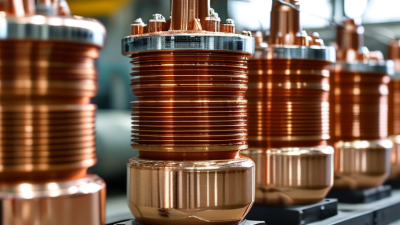
Copper windings usually cost more but can simplify connection work and loss evaluation. Aluminum windings may reduce the purchase price. Compare efficiency, temperature rise, and lifetime operating costs before choosing.
Request the same voltage ratio, impedance, vector group, cooling method, tap range, and enclosure rating. Include winding material, losses, noise limits, insulation class, and temperature rise. Otherwise, price comparisons become unreliable.
Review no-load losses, load losses, energy tariffs, maintenance, oil handling, spare parts, and warranty response. A higher purchase price may be reasonable for continuous operation. A quick spreadsheet can still miss regional maintenance expenses.
Request routine test reports, efficiency data, protection details, warranty terms, and delivery conditions. Ask for factory references and packed dimensions. Written details matter.
Confirm the load profile, including motors, lighting, computers, and planned expansion. Check primary and secondary voltage, frequency, phase arrangement, cooling, and installation environment. Do not guess.
Yes. The offer may exclude testing, protection devices, lifting, commissioning, or essential accessories. One overlooked voltage detail can delay energization. Small omissions become expensive.
This guide provides a practical overview of the 1000kva Transformer market in 2026, explaining its role in industrial, commercial, utility, and infrastructure power systems. It outlines the main technical specifications, including voltage ratios, frequency, efficiency, impedance, cooling methods, insulation levels, noise performance, and applicable safety and performance standards. Readers will also learn how supplier availability and product characteristics may vary across different markets and regions.
The article compares typical 1000kva Transformer price ranges and examines the factors that influence total cost, such as design configuration, materials, efficiency, transportation, installation, testing, maintenance, and warranty coverage. It also presents a structured method for evaluating suppliers, product quality, delivery capability, technical support, and long-term ownership costs. Finally, the buying guide helps purchasers select the appropriate transformer by matching load requirements, operating conditions, expansion plans, environmental factors, compliance needs, and budget expectations.