Getting a good grasp of the different Types Of Transformersis pretty important for engineers and anyone working in the industry really. The market for Transformers is booming, and it’s expected to hit over $75 billion by 2027, according to Allied Market Research. That just shows how much the world needs more efficient ways to transmit power these days.
Transformers are super key when it comes to electrical systems, no lie. They basically help in stepping up or stepping down voltage levels, making sure power flows smoothly from one place to another. There are different types — like power, distribution, and isolation transformers — each with their own specific uses and specs. For instance, Power Transformers usually handle really high voltages and are a big deal in transmission networks.
Getting familiar with the different "Types Of Transformers" really helps when it comes to designing or maintaining systems. But, let’s be real — not all transformers perform perfectly all the time. Things like how much load they’re under or the environment they’re in can throw them off sometimes. The more you understand these factors, the better we can get at improving the tech and making these systems work even more efficiently.
Types of Transformers: An Overview of Electrical Engineering Essentials
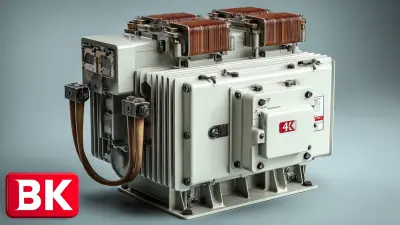
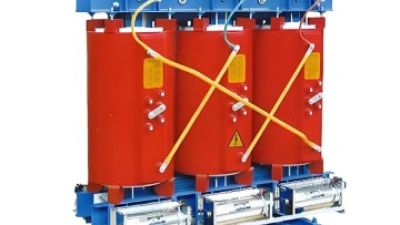
Transformers play a pivotal role in electrical engineering. They help in voltage conversion, enabling efficient energy transmission. Understanding the different types of transformers is essential for engineers and technicians. Among the various categories, the Dry Type Transformer Types stand out due to their versatility and safety features. They often find applications in indoor settings where spaces are confined and cooling is crucial.
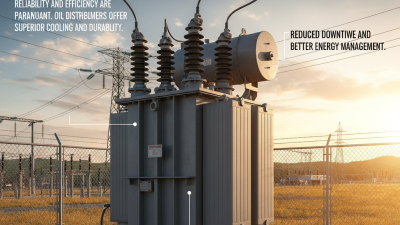
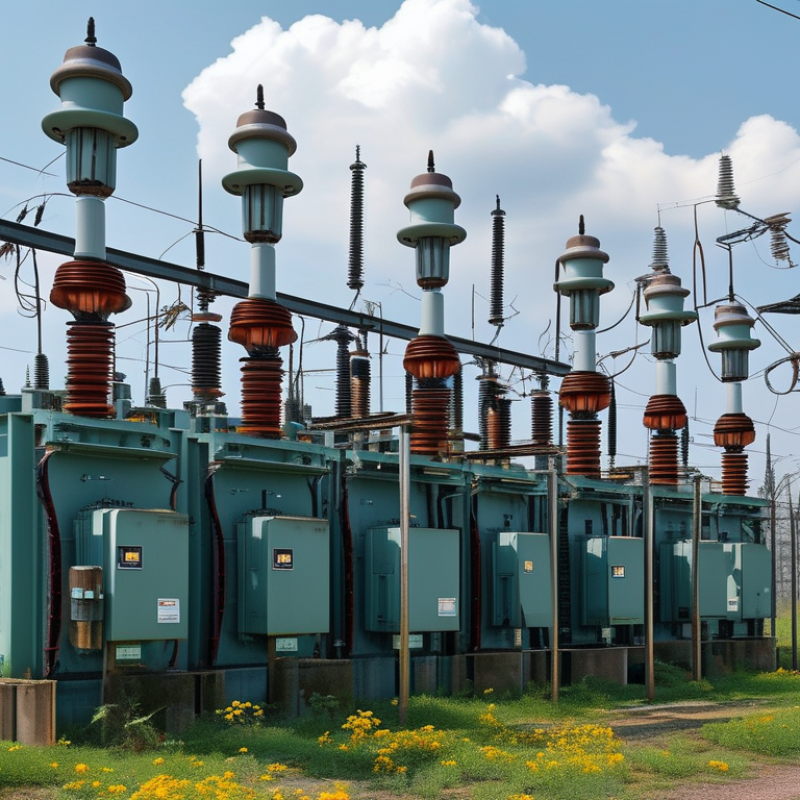
Another important category is the Oil-Filled Transformer. This type excels in outdoor setups. Its oil-filled casing provides excellent cooling and insulation properties. Yet, it carries certain risks related to leaks and environmental impact. Users must weigh these risks carefully when choosing a transformer.
Each transformer type has unique characteristics. Some may be more suitable for certain environments than others. Engineers often face challenges in selecting the right type. It requires consideration of factors like location, load demands, and safety regulations. While many resources provide insights, personal experience remains invaluable in this decision-making process. Engaging with practical applications helps bridge the gap between theory and real-world use.
Understanding Power Transformers: Capacity Ratings and Efficiency
Power transformers play a critical role in electrical distribution systems. Their capacity ratings can significantly impact efficiency and operational costs. According to recent industry reports, transformers comprise nearly 40% of the total energy efficiency in power systems. Selecting the right type, such as Oil Transformer Types, is essential for optimal performance.
The efficiency of a transformer generally hinges on its design and materials used. High-quality transformers may exhibit efficiencies exceeding 98%. However, there are concerns regarding losses, especially in older models. These losses can result in energy waste and increased operational costs. For example, an inefficient 10 MVA transformer may result in losses up to 250 kW annually.
Engaging with the choice of oil transformer types is vital for improving system reliability. Always consider the load factor and environmental conditions that could affect a transformer’s capacity. Analyzing the application requirements can guide the selection process. Regular maintenance also helps in minimizing inefficiencies and prolonging life.
The Role of Distribution Transformers in Electrical Grids
The role of distribution transformers in electrical grids is crucial for effective power management. These transformers step down voltage levels from high transmission lines. They make electricity usable for homes and businesses. Distribution transformers ensure that the right amount of voltage reaches end-users. This process helps prevent overloads and maintains efficiency.
Original design specifications and maintenance practices are vital for these transformers. Aging infrastructure can lead to inefficiencies and outages. Regular testing is essential. Check for signs of wear and tear. If devices seem to overheat, it may indicate issues. Early detection can save costs and improve reliability in the long run.
Monitor the load on distribution transformers closely. Inadequate load management can result in overheating and damage. Understanding load patterns can enhance performance. Consider local demand when assessing transformer size. Each community has unique requirements, and this should reflect in the transformer capacity. Over time, effective management will lead to a more resilient electrical grid.
Isolation Transformers: Ensuring Safety and Signal Integrity
Isolation transformers play a crucial role in enhancing safety and signal integrity in electrical systems. These transformers are designed to isolate electrical circuits, reducing the risk of electric shock and protecting sensitive equipment from power surges. By decoupling the primary side from the secondary side, isolation transformers minimize the transfer of noise and interference. This makes them a favorite in various applications, including medical devices and audio equipment.
However, while isolation transformers offer significant benefits, there are key limitations to remember. They don't convert voltage levels; thus, one must ensure compatibility with the overall system design. In some cases, users may overlook the importance of proper grounding, which is vital for maximizing performance. Without it, the isolation effect may diminish, leading to unexpected issues. Additionally, these transformers can be bulky and expensive, potentially limiting their use in smaller or budget-constrained projects.
When implementing an isolation transformer, pay attention to sizing and specifications. Choose the right power rating to meet your needs without overloading. Regular maintenance checks should be part of your routine, as wear and tear can impact effectiveness over time. Awareness of these factors contributes to informed decision-making, ultimately supporting enhanced safety and reliability in electrical applications.
Instrument Transformers: Precision in Measurement and Protection
Instrument transformers play a vital role in modern power systems. They are crucial for measurement and protection. These transformers allow for the safe operation of electrical devices. In 2021, the global market for instrument transformers was valued at approximately $7 billion, with a projected annual growth rate of 6.5% through 2027. This growth reflects the increasing need for precise energy management.
There are two main types: current transformers (CTs) and voltage transformers (VTs). CTs measure the current flowing through a conductor. They offer signals proportional to high currents. VTs, on the other hand, step down high voltage levels for safer measurement. Reliability is key, yet human errors during installation can compromise their accuracy. A failure in protection can lead to severe system outages.
The Transformer Lamination Types used in these devices also affect their performance. Laminated cores reduce energy losses due to eddy currents. This leads to improved efficiency in energy conversion. However, not all materials are equally effective. Testing various lamination types can reveal inefficiencies. As the industry evolves, manufacturers must refine these designs to enhance reliability.
Top Types of Instrument Transformers
This bar chart displays the various types of instrument transformers used in the industry, showcasing their respective usage percentages. Current transformers lead in use, followed by voltage transformers and others, reflecting their importance in precision measurement and protection.
Step-Up and Step-Down Transformers: Voltage Adjustment Mechanisms
Step-up and step-down transformers play crucial roles in electrical systems. They adjust voltage levels for efficient power transmission and distribution. A step-up transformer increases voltage, making it ideal for long-distance transmission. This minimizes energy loss and improves efficiency. Conversely, a step-down transformer decreases voltage, ensuring safety and usability in residential and commercial settings.
Understanding these transformers enhances your electrical knowledge. You can choose the right transformer for your project. Pay attention to the power ratings and voltage requirements. Many people overlook the importance of transformer placement. Location affects performance and safety.
Consider the environment where the transformer operates. Factors like heat and moisture can impact durability. Regular maintenance checks are essential to ensure reliability. A poorly maintained transformer can lead to failures. It's crucial to stay informed about best practices. Educating yourself about transformers can prevent costly mistakes.
The Impact of Transformer Efficiency on Energy Consumption and Cost
Transformer efficiency plays a crucial role in energy consumption and cost. According to the U.S. Department of Energy, improving transformer efficiency can lead to significant energy savings. For instance, a typical transformer can waste around 1% to 5% of energy. This might seem small, but over time, it leads to increased operating costs.
High-efficiency transformers are designed with advanced materials and technologies to reduce losses. The International Energy Agency reports that upgrading to these units can cut energy consumption by up to 20%. However, the initial investment can be daunting for many facilities. While long-term savings may justify the cost, the upfront expense often requires reflection and careful planning.
Incorporating various Transformer Mineral Oil Types can enhance performance and cooling. This oil type plays a key role in maintaining optimal efficiency and lifespan. However, the environmental implications of certain oils cannot be overlooked. The choice of transformer oil is crucial for balancing efficiency, cooling capability, and environmental responsibility, often requiring difficult choices.
Maximizing Efficiency and Reducing Downtime: Insights from Industry Reports on Reliable Energy Distribution with Durable Three Phase Transformers
In today’s fast-paced industrial environment, maximizing efficiency and minimizing downtime is crucial for businesses aiming to stay competitive. One key aspect of achieving this goal is the implementation of reliable power distribution systems, with durable three-phase transformers playing a vital role. These transformers are specifically designed to ensure stable and consistent power supply, which is essential for the seamless operation of various machinery and processes.
Three-phase transformers offer several advantages that contribute to enhanced operational efficiency. Their ability to distribute power evenly across different loads minimizes the risk of overload and improves overall system performance. Additionally, their robust construction ensures a long lifespan, reducing the need for frequent replacements or repairs. This durability not only lowers maintenance costs but also helps prevent unexpected downtime, allowing industries to maintain productivity and focus on their core operations.
Investing in high-quality three-phase transformers is, therefore, a strategic decision for any organization looking to bolster its energy reliability. By prioritizing advanced electrical solutions, businesses can harness the benefits of dependable power distribution systems, leading to improved performance and sustained growth in an increasingly competitive landscape.
FAQS
: Power transformers are crucial for effective electrical distribution. They ensure voltage levels are suitable for homes and businesses.
Transformers comprise nearly 40% of the total energy efficiency in power systems. This highlights their significant impact.
A transformer's design and materials directly impact its efficiency. High-quality designs can exceed 98% efficiency.
Older transformers may suffer energy losses. These losses can lead to higher operational costs and wasted energy.
Regular maintenance can reduce inefficiencies and extend the life of transformers. It's essential for optimal performance.
Proper load management prevents overheating and damage. Understanding local demand is crucial for sizing transformers.
Monitor for wear and tear, and check for overheating. Early detection of issues can save costs and enhance reliability.
Aging infrastructure can lead to inefficiencies and outages. Regular testing and maintenance are necessary to address these problems.
Analyze application requirements and consider environmental conditions. These factors influence the chosen transformer type for reliability.
An inefficient transformer can lead to significant annual losses. This impacts overall energy costs, reflecting the importance of efficient design.
Conclusion
Transformers play a crucial role in electrical engineering, and understanding the various types of transformer is essential for effective energy management. The article outlines several significant types of transformer, starting with power transformers, which are key for high-capacity applications and efficiency in power transmission. Distribution transformers facilitate the delivery of electricity through the grid, ensuring reliable service to end-users. Isolation transformers enhance safety and signal integrity, while instrument transformers provide precision in measurement and protection.
Additionally, step-up and step-down transformers are vital for voltage adjustment, accommodating the different requirements of electrical systems. The overall efficiency of transformers significantly impacts energy consumption and costs, making it imperative for engineers and technicians to be well-versed in the various types of transformer to optimize performance and ensure sustainability in power networks.