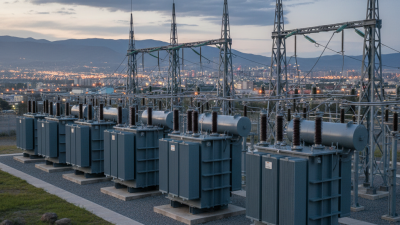
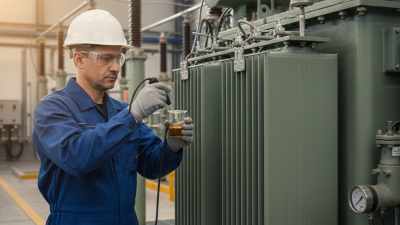
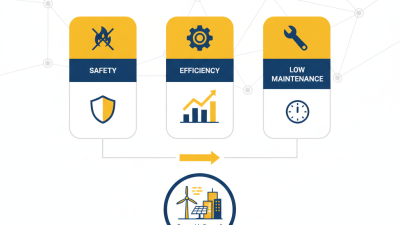
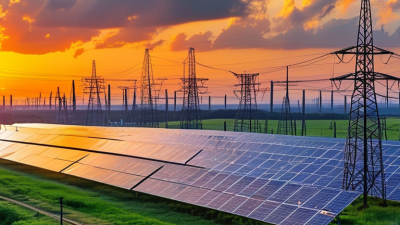
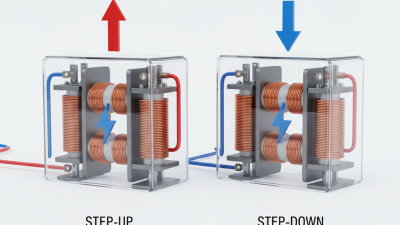
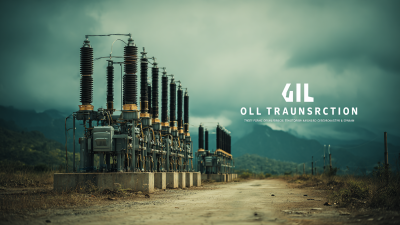
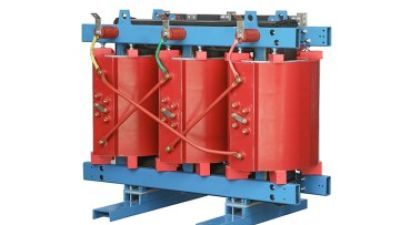
As the world’s energy scene continues to change, Step Up Transformers are more important than ever for making sure voltage levels stay just right for smooth power distribution. Come 2026, buyers are noticing some pretty interesting trends shaping the future of these key devices. Big names like Siemens and Schneider Electric are really pushing the envelope, using advanced tech to make these transformers work better and last longer.
People are also paying more attention to sustainability nowadays. A lot of manufacturers are trying out greener materials and energy-saving designs. Not only does this help protect the environment, but it’s also what regulations are pushing for in many places. That said, there are still hurdles, like the hefty upfront costs and the need for skilled pros to handle installations properly.
Getting a good grip on the nuances of the Step Up Transformer market can really help buyers around the globe make smarter choices. It’s important to look at quality, efficiency, and who stands behind the products. The market might seem a bit overwhelming at first, but once you get to know the major players and what they’re bringing to the table, it’s way easier to strategize your purchases. Sometimes, wrapping your head around all these systems means changing your perspective a bit—kind of like having ongoing conversations with industry insiders to stay in the loop.
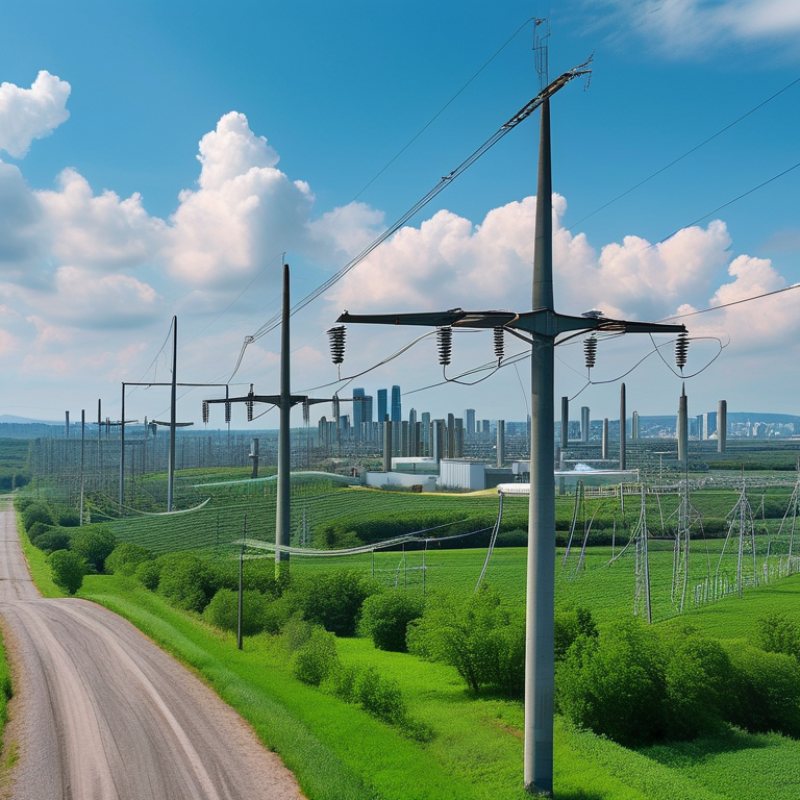
Emerging Technologies in Step Up Transformers for 2026
As we look toward 2026, the landscape of step up transformers is poised for transformation. Emerging technologies are reshaping this industry, driven by increasing demand for energy efficiency and sustainable solutions. Recent studies suggest that the global step up transformer market is expected to reach $12 billion by 2026, reflecting a compounded annual growth rate (CAGR) of 6.7%. This growth underscores the critical role of these devices in managing energy distribution effectively.
Key innovations in step up transformers include advanced materials that enhance performance and durability. For instance, amorphous steel cores are gaining traction due to their reduced energy losses. Reports indicate that these materials can decrease no-load losses by 30% compared to traditional silicon steel. Additionally, digital monitoring systems are being integrated, allowing real-time data analysis. This technology not only improves operational efficiency but also aids in predictive maintenance.
However, the industry faces challenges. The transition to smart grids may create complexity in integrating existing structures with new technologies. Moreover, the increasing demand for renewable energy sources adds pressure to ensure compatibility with traditional infrastructure. A study found that 40% of companies are cautious about investing in step up transformers due to integration concerns. Reflecting on these hurdles is crucial as the sector evolves.
Innovative Materials Enhancing Transformer Efficiency
The evolving landscape of transformer technology is significantly influenced by innovative materials that enhance efficiency. Recent studies indicate that advanced composite materials could improve the thermal conductivity of transformers by as much as 25%. This change directly impacts energy losses, contributing to overall system performance. These composites reduce mechanical stress, ensuring longevity and reliability in diverse operational conditions.
In addition, research from power industry reports reveals that adopting high-performance insulating materials can increase A Transformer's lifespan by approximately 15%. Traditionally used materials often fail under extreme conditions. Transitioning to modern solutions can prevent premature failures and costly downtimes. Yet, while the benefits are evident, challenges remain in material costs and sourcing.
The integration of smart materials, such as self-healing polymers, is another trend gaining traction. These materials can repair themselves after minor damages, enhancing durability. However, their application in transformers is not fully mature, necessitating further exploration. Industry experts caution against rushing the adoption of these technologies without thorough testing to ensure their reliability. Innovation must be paired with rigorous validation processes.
Sustainability Trends Shaping the Step Up Transformer Market
The step-up transformer market is undergoing significant changes driven by sustainability trends. As global awareness of environmental issues grows, manufacturers are seeking sustainable materials. This shift aims to reduce the carbon footprint of production processes. By using recycled materials, companies can save resources and cut energy consumption.
In addition to materials, energy efficiency is a key focus. Emerging technologies in transformer design are paving the way for more efficient energy transfer. These innovations not only enhance performance but also contribute to lower operating costs. The demand for such transformers continues to rise among environmentally conscious buyers.
However, the transition to sustainable practices presents challenges. Not all manufacturers are equipped to implement these changes smoothly. Some may struggle with the initial investment required for new technologies. Reliability is a concern if these new solutions are not thoroughly tested. As the industry evolves, the need for transparency and shared knowledge will become essential.
The journey toward sustainability in the step-up transformer sector will require collective effort and adaptation from all stakeholders.
Predicted Design Advancements for Enhanced Performance
The landscape of transformers is evolving, focusing on design advancements that promise enhanced performance. One significant trend is the integration of smart technology in Step Down Power Transformers. Reports indicate that the market for smart transformers is expected to grow by 25% annually through 2026. This growth is driven largely by the demand for improved energy efficiency and real-time monitoring capabilities.
Additionally, materials science plays a vital role in these advancements. The use of amorphous steel cores in step down power transformers can reduce energy loss by up to 60%. This shift not only improves efficiency but also offers a more sustainable solution to power distribution challenges. However, the transition to these advanced materials has challenges. High production costs and technical difficulties hinder widespread adoption.
The development of modular transformer designs is another exciting trend. These designs allow for easier upgrades and maintenance. Reports predict that modular transformers will rise in popularity, but they still face challenges related to standardization. While these innovations bring promising benefits, potential issues in compatibility and implementation warrant careful consideration. The industry must continue to address these vulnerabilities for long-term success.
Regional Insights: Global Markets for Step Up Transformers
The global market for step up transformers is evolving rapidly. According to a recent report by Market Research Future, the step up transformer market is expected to reach approximately $15.3 billion by 2026. This growth is attributed to rising demand for renewable energy sources and the expanding electricity grid.
Regional insights reveal significant trends. North America is expected to see a compound annual growth rate (CAGR) of 4.2%. This trend indicates increased investments in infrastructure and grid modernization. Meanwhile, Asia-Pacific is anticipated to dominate the market due to urbanization and industrial growth, with a CAGR of 6.1%. These changes highlight the urgent need for efficient energy solutions, especially in developing regions.
However, challenges exist. The integration of Step Down Transformers into existing networks can be complex. They must be compatible with various energy sources. Additionally, regulatory hurdles in different regions can slow down project implementation. The market is dynamic, and stakeholders must adapt to these complexities to optimize transformer performance.
Key Players and Their Contributions to Transformer Trends
In the dynamic world of transformers, key players play a vital role in shaping trends. Their expertise impacts design, efficiency, and sustainability. Each company brings unique insights, pushing innovations forward. For instance, advancements in smart technology are becoming pivotal. This technology allows for better monitoring and management, improving transformer performance.
Another area of focus is energy efficiency. Companies are increasingly committed to minimizing energy losses. This commitment is evident in improved materials and innovative designs. Some players are experimenting with eco-friendly materials. This shift not only benefits the environment but also appeals to conscious consumers. Yet, the transition isn't seamless, posing challenges in manufacturing and cost.
As the industry evolves, understanding these contributions is crucial for buyers. They need to navigate this landscape with informed choices. Recognizing the potential limitations of emerging technologies is also important. The road ahead may have obstacles, but it’s clear that collaboration and innovation will shape the future of transformers.
Challenges and Solutions in the Step Up Transformer Industry
The step-up transformer industry faces several challenges. The increasing demand for renewable energy is rising. However, the infrastructure is often outdated. Many facilities need upgrades to accommodate new technologies. According to a recent industry report, over 40% of transformers in use exceed their optimal lifespan. This situation results in decreased efficiency and increased operational costs.
A prominent issue is the limited availability of skilled workforce. As the industry evolves, training programs lag behind technological advancements. This gap can lead to safety risks and maintenance delays. A study found that 35% of companies struggle to find qualified technicians. Addressing this challenge requires investment in training and development.
Consider adopting predictive maintenance practices. This approach helps identify potential failures before they happen. Regular monitoring can extend the lifespan of transformers. Investing in staff training ensures a competent workforce. Utilizing digital tools can streamline operations and improve reliability. Emphasizing these areas can mitigate some industry challenges while enhancing overall efficiency.
Harnessing Efficiency: The Role of Smart Energy Transformers in Advanced Power Management Solutions
In today’s rapidly evolving energy landscape, the integration of smart energy transformers stands out as a pivotal advancement in power management solutions. These intelligent devices play a crucial role in enhancing system efficiency and reliability, offering a responsive mechanism that adapts to real-time energy demands. By utilizing sophisticated algorithms and communication technologies, smart transformers facilitate better monitoring and control of electrical distribution systems, which leads to an optimized performance and lower operational costs.
Smart energy transformers enable the seamless integration of renewable energy sources, such as solar and wind, into the grid. They are equipped with features that allow for real-time data analysis and automated adjustments, ensuring that energy flow is both efficient and stable. This capability not only improves the resilience of power systems but also significantly contributes to a reduction in energy losses. As a result, consumers can benefit from a more reliable power supply while also partaking in the broader transition towards sustainable energy practices.
Moreover, the deployment of smart transformers in urban settings supports advanced grid management strategies. These devices can enhance demand response efforts, futuristic load balancing, and energy storage solutions. By harnessing the power of smart energy transformers, cities are better positioned to tackle the energy challenges of the future, making strides toward an increasingly efficient and sustainable energy ecosystem.
FAQS
: Advanced composite materials improve thermal conductivity by up to 25%, reducing energy losses effectively.
High-performance insulating materials can increase lifespan by about 15%, preventing failures under extreme conditions.
Self-healing polymers can repair minor damages on their own, potentially improving transformer durability.
Yes, material costs and sourcing remain challenges, impacting the adoption of advanced solutions.
Smart technology allows better monitoring, leading to enhanced performance and efficiency in transformer management.
Some companies are experimenting with eco-friendly materials, balancing environmental impact and consumer demand.
Buyers must navigate innovations and recognize potential limitations in emerging technologies affecting their choices.
Many smart materials are not fully mature, requiring thorough testing to ensure reliability before widespread adoption.
Transitioning to new materials isn't seamless, leading to potential difficulties in manufacturing and increased costs.
Collaboration fosters innovation, which is essential for overcoming obstacles and shaping a sustainable future for transformers.
Conclusion
The article "2026 Top Step Up Transformer Trends for Global Buyers" discusses the evolving landscape of Step Up Transformers within the context of emerging technologies and innovative materials that aim to enhance efficiency and performance. Key trends highlighted include sustainability initiatives that are shaping the market, as well as predicted design advancements that promise improved operational capabilities.
Moreover, the article provides regional insights into the global markets for Step Up Transformers, examining how different areas are adapting to these advancements. It also addresses the challenges faced by the industry, alongside potential solutions that could facilitate growth and innovation. Overall, the trends outlined signal a transformative period for Step Up Transformers, driven by technological advancements and a commitment to sustainable practices.