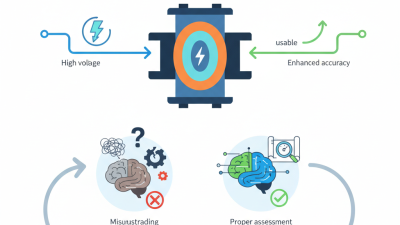
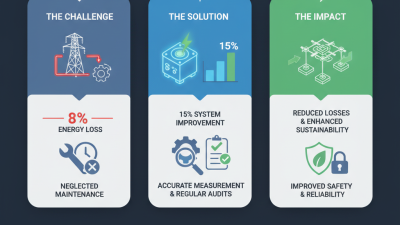
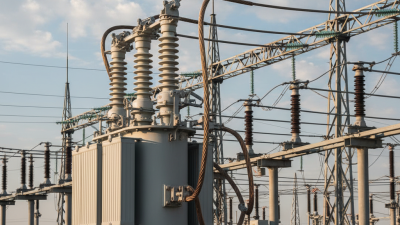
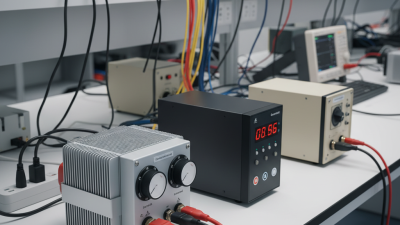
Picking the right Potential Transformer manufacturer in China isn't just about checking prices or flipping through catalog pages. You really need to dig into details like the accuracy class, rated burden, insulation strength, partial-discharge performance, and what kind of long-term support they offer. Sure, A Transformer might seem perfect on paper, but when you’re out in the field, things can get a whole lot different.
John J. Winders Jr., a well-known transformer engineer and author, always emphasizes a simple but crucial rule: “You gotta judge transformer performance based on real operating conditions.” That’s so true, especially when you're looking at companies like TBEA, China XD Electric, Sieyuan Electric, Shenyang Transformer Group, or Jiangsu AREVA Electric Apparatus. These guys supply transformers for all kinds of projects—from Substations and renewable energy setups to industrial plants and rail systems. But don’t forget, each application has its own specific needs, and it’s important to match the tech carefully.
A dependable Potential Transformer should give steady voltage conversion, accurate readings, and reliable protection signals. When you're shopping around, ask for routine test reports, type-test certificates, factory quality procedures—basically, proof that they’re legit. Also, don’t forget to check the enclosure—make sure terminals are neat and clean, nameplates are clear, grounding is solid, and the finish resists corrosion. Sometimes it’s those tiny details that make all the difference.
That said, no supplier is perfect. Sometimes their paperwork is incomplete, or delivery schedules get pushed back. Even seasoned buyers can get too caught up in focusing just on the price. Admitting that isn’t a weakness, it’s just realistic. To minimize risks, go for independent inspections, witness testing if you can, and make sure warranty terms are crystal clear. And honestly, how a manufacturer communicates says a lot about how professional they really are.
The best Chinese suppliers usually combine good engineering skills with quick, helpful after-sales support. But what’s considered “the best” can really depend on your voltage needs, climate, installation conditions, how precise your measurements have to be, and how risky the project is. So, taking the time to compare your options thoughtfully is way more useful than just trying to rank manufacturers with a false sense of confidence.
What Is a Potential Transformer and How Does It Work?
A potential transformer, also called a voltage transformer, reduces high voltage to a safer, measurable level. It supplies meters, relays, and monitoring equipment with a proportional secondary voltage. For example, a 10,000-volt primary may produce 100 volts on the secondary side. The ratio must remain stable under the connected burden. Accuracy class, insulation strength, frequency, and installation environment also matter. A transformer does not simply “lower voltage.” Its magnetic core transfers energy through electromagnetic induction. The first calculation is not always right, especially when cable length and connected instruments are overlooked.
Tips: Check the rated ratio before ordering. Confirm burden in volt-amperes. Inspect insulation and terminal markings. Ask suppliers for routine test records, accuracy data, and installation guidance. When reviewing OEM Potential Transformer Quotes, compare technical specifications rather than price alone. A low quotation may exclude testing or accessories.
Reliable potential transformer manufacturers and suppliers should explain their design choices clearly. They should provide drawings, temperature-rise data, and suitable protection details. During commissioning, technicians should verify polarity, grounding, insulation resistance, and secondary output. A loose connection can create inaccurate readings or dangerous overheating. Outdoor units need weather-resistant enclosures and appropriate creepage distances. Indoor applications may require less protection, but dust and moisture still deserve attention. Supplier quality is important, yet application details determine performance. Even experienced teams can miss the actual burden, so reviewing the complete measurement circuit remains worthwhile.
Why China Is a Major Source of Potential Transformers
China is a major source of potential transformers because its electrical manufacturing network is broad, responsive, and cost-conscious. Many factories produce units for distribution systems, industrial panels, substations, and renewable energy projects. Their workshops often combine automated winding equipment with skilled manual inspection. This balance supports steady output without removing human judgment.
Manufacturers can usually adjust voltage ratios, insulation levels, enclosure styles, and terminal layouts for different projects. Buyers seeking ODM Potential Transformer Quotes may receive several configurations instead of one fixed design. Technical discussions commonly include rated burden, accuracy class, frequency, thermal performance, and applicable testing requirements. Factory engineers may also review drawings before production, which reduces avoidable connection errors.
Testing details matter. A reliable supplier should provide routine test records, insulation checks, ratio verification, polarity checks, and dimensional measurements. Some facilities maintain controlled assembly areas and traceable material records. These details make quality easier to verify. Still, the picture is not flawless. A low quotation can hide weaker insulation materials, limited documentation, or uncertain after-sales support. I would compare samples, factory processes, certificates, and delivery terms rather than judging price alone. Even experienced buyers can overlook small terminal clearances or packaging weaknesses. A wooden crate may look secure, yet moisture exposure during transport can damage sensitive components. Careful communication and independent inspection remain practical safeguards.
Key Standards for Evaluating Chinese Manufacturers and Suppliers
Choosing potential Transformer manufacturers in China requires more than comparing quoted prices. A reliable supplier should identify applicable IEC and GB requirements for insulation, accuracy, temperature rise, and dielectric strength. Request current test reports, calibration records, and traceable serial numbers. These documents should match the exact model offered, not a similar sample.
Factory experience matters during evaluation. Ask how engineers control winding materials, insulation thickness, oil sealing, and terminal assembly. A production visit can reveal practical details, such as clean work areas, labeled components, and protected testing equipment. Check whether the manufacturer follows a documented quality system, such as ISO 9001, and whether routine tests are completed for every unit. Type-test evidence is useful, but it cannot replace shipment-level inspection. A polished brochure proves little.
Supplier reliability also depends on communication. Technical drawings should state ratios, burden, accuracy class, frequency, dimensions, and connection details. Confirm lead times in writing, including inspection and packing days. Ask for a sample inspection plan with acceptance limits. Independent inspection may reduce uncertainty before shipment. No audit catches everything. Even experienced buyers can overlook packaging risks, unclear warranty terms, or slow engineering responses. Review previous export experience through verifiable records, while protecting confidential project information. The strongest supplier is not always the cheapest; it is the one that explains limitations clearly and corrects mistakes with documented action.
Leading Types of Potential Transformers Made in China
Leading Types of Potential Transformers Made in China
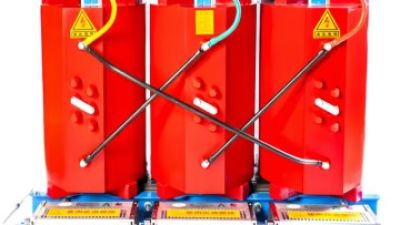
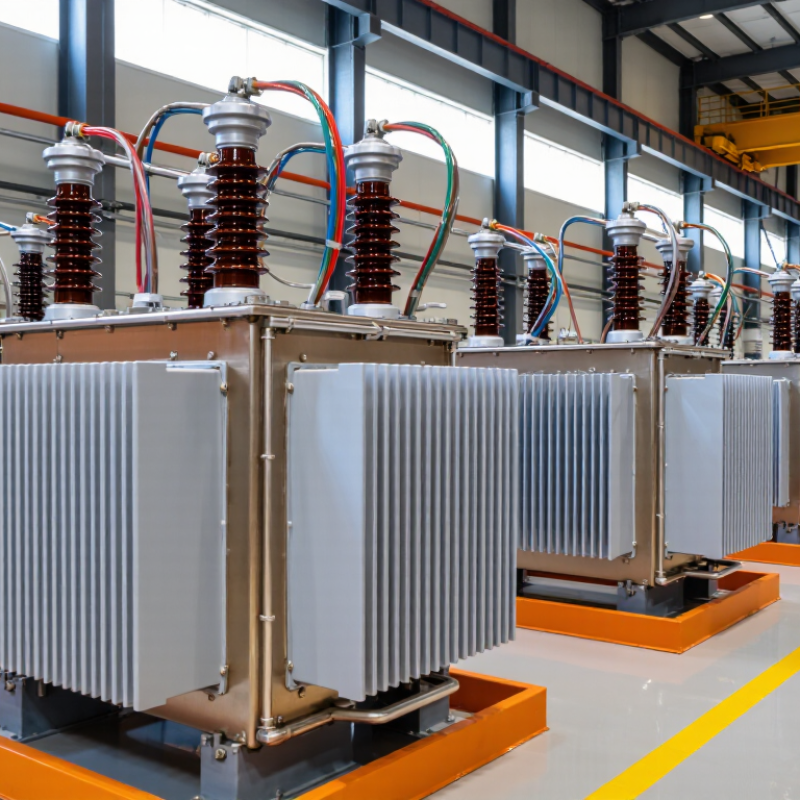
China’s potential transformer suppliers produce several designs for medium- and high-voltage networks. Electromagnetic potential transformers serve indoor switchgear and compact substations. They offer stable voltage ratios and straightforward testing. Oil-immersed units suit outdoor installations, where insulation distance and heat management matter. Capacitive voltage transformers, or CVTs, support high-voltage transmission lines and can provide carrier-frequency coupling. Some projects also specify epoxy-cast units for improved fire resistance and reduced maintenance.
The selection should follow the application, not only the purchase price. IEC 61869-3 and IEC 61869-5 define important requirements for inductive and capacitive voltage transformers. Protection-grade units need dependable performance during faults. Metering-grade units require low ratio error under normal loads. China-made suppliers commonly provide classes such as 0.2, 0.5, 3P, and 6P, but actual performance depends on testing and installation quality. Small details matter. Terminal torque matters.
The International Energy Agency’s Electricity Grids and Secure Energy Transitions report estimates that over 80 million kilometres of grids must be added or replaced globally by 2040. It also indicates that annual grid investment should exceed 600 billion dollars by 2030. This expansion increases demand for reliable voltage measurement equipment. Buyers should request type-test records, routine-test reports, insulation data, and documented calibration procedures. Factory photos help, but they are not proof. A practical weakness remains: some specifications look complete while omitting burden performance at extreme temperatures. That omission deserves careful questioning.
How to Compare China-Based Potential Transformer Manufacturers
China Best Potential Transformer Manufacturers Suppliers?
When comparing China-based potential transformer manufacturers, start with technical evidence, not catalog photos. Verify compliance with IEC 61869-3, rated voltage, accuracy class, insulation level, and burden under actual operating conditions. A credible supplier should provide routine-test records, type-test reports, calibration traceability, and clear drawings.
The U.S. Department of Energy’s 2024 transformer supply-chain assessment notes that large transformer lead times can exceed 12 months. This makes production planning important, even for smaller voltage transformers.
Ask for monthly capacity, critical-component sources, inspection stages, and realistic delivery dates. Request a sample nameplate and a factory video showing winding, vacuum treatment, oil filling, and final testing. Details matter.
Price needs careful interpretation. A lower quotation may exclude testing, export packaging, spare terminals, or field support. Compare total cost, not only the unit price.
Check whether the manufacturer can repeat accuracy across batches. Review customer references from similar voltage levels and climates.
I would also question unusually perfect test data; independent witnessing is safer. My own comparison method once overvalued fast replies, which proved weak evidence. Production records and failure-response procedures deserve more weight.
After-sales response time, warranty limits, and document quality should be written into the purchase agreement.
Quality Control, Certification, and Export Capabilities
China Best Potential Transformer Manufacturers Suppliers?
Quality Control, Certification, and Export Capabilities
Selecting a potential transformer supplier requires more than comparing prices. A dependable factory should show controlled production records, trained inspectors, and traceable materials. Copper, insulation paper, steel cores, and terminals need incoming inspection before assembly begins. Small gaps matter. They can affect accuracy, temperature rise, and service life.
During manufacturing, inspectors should check winding dimensions, insulation clearances, polarity, ratio accuracy, and partial discharge performance. Routine tests should match the agreed technical specification. Type-test reports are useful, but buyers should confirm their testing dates, laboratory qualifications, and product similarity. Certification must be relevant to the destination market, not simply displayed on a website. ISO-based management systems can support consistency, although certificates cannot replace practical factory audits.
Export capability also deserves close attention. Experienced suppliers usually prepare accurate drawings, packing lists, test reports, and shipping documents. Crated transformers should be protected against moisture, vibration, and sudden temperature changes. Ask how the supplier handles damaged packaging or a failed inspection. The answer may reveal more than a polished brochure.
Some suppliers may offer excellent engineering but weak communication. Others may respond quickly while overlooking technical details. This trade-off is easy to miss. A careful evaluation should include sample documents, reference projects, production lead time, warranty terms, and after-sales response procedures. Local testing requirements can change, so independent verification remains wise before purchase.
How to Select the Best Supplier for Your Project
Selecting a Chinese potential transformer supplier starts with electrical evidence, not a catalogue. Define primary voltage, secondary voltage, ratio, burden, accuracy class, insulation level, frequency, altitude, and installation environment. Is the unit for metering, protection, or both? This detail changes the design. The IEA Electricity 2024 report forecasts global electricity demand will grow by about 3.4% annually from 2024 to 2026. That growth will pressure substations, testing capacity, and delivery schedules. A supplier should explain stable measurement during load changes, faults, and outdoor exposure.
Request verified type-test reports, routine-test records, calibration traceability, and drawings showing terminal clearances. Check IEC 61869-3 or the project’s required standard. Do not accept vague “international quality” claims. Review core material, insulation, partial-discharge limits, sealing, and temperature-rise results. For a Power Transformer project, confirm compatibility with the protection scheme and short-circuit requirements. Factory acceptance testing should cover ratio error, phase displacement, insulation resistance, and dielectric strength. The U.S. Department of Energy’s 2022 Electric Grid Supply Chain Review identifies long lead times and concentrated manufacturing capacity as transformer risks.
Ask for production photos, serial-number traceability, sample certificates, and a realistic delivery plan. An audit should inspect winding areas, drying equipment, calibrated instruments, and final packing. Price alone misleads. A cheaper unit can cause relay errors, rework, or delayed energization. Compare warranty exclusions, spare-part access, and technical response time. Supplier selection is rarely perfect. Even a strong audit cannot predict every field issue. Keep one technical assumption open for review.
China Best Potential Transformer Manufacturers & Suppliers: How to Select the Best Supplier for Your Project
How to use this chart: A lower ratio-error value indicates tighter metering accuracy. When evaluating a potential transformer supplier, confirm that the proposed unit meets the required IEC 61869-3 accuracy class under the specified burden, frequency, voltage, and operating conditions. Also request routine-test reports, type-test evidence, insulation-level data, delivery capability, and after-sales support before making a final selection.
Efficient Power Smart Dry Transformers: A Guide to Reliable, Energy-Saving Electrical Systems
Efficient power smart dry transformers are becoming essential to reliable, energy-saving electrical systems. Unlike conventional oil-filled units, dry-type designs use solid insulation and air cooling, reducing fire risk and simplifying installation in commercial buildings, data centers, factories, and renewable-energy facilities. Their high-efficiency cores minimize no-load losses, while optimized windings help reduce energy consumption during continuous operation. The U.S. Department of Energy has estimated that distribution transformer losses account for approximately 61 billion kWh of electricity consumption annually, highlighting the value of efficient transformer technology.
Intelligent functions further improve power management. Integrated sensors can monitor temperature, load, voltage, and insulation conditions in real time, enabling early fault detection and predictive maintenance. Remote communication also allows operators to analyze operating trends, balance loads, and respond quickly to abnormal conditions. This is increasingly important as the International Energy Agency’s *Electricity 2024* report projected global electricity demand to grow by an average of 3.4% annually through 2026. Smart monitoring helps electrical systems accommodate rising demand while maintaining stable performance.
By combining efficient energy-saving technology with digital control, intelligent dry-type transformers support lower operating costs, improved power quality, and longer service life. Their compact, low-maintenance structure is suitable for modern facilities seeking safer power conversion, transparent energy management, and dependable distribution under changing load conditions.
FAQS
Common designs include electromagnetic, oil-immersed, capacitive, and epoxy-cast units.
Electromagnetic units often suit indoor switchgear and compact substations.
Oil-immersed transformers generally suit outdoor installations.
Capacitive voltage transformers support high-voltage transmission lines.
Metering units need low ratio error under normal loads.
Define primary voltage, secondary voltage, ratio, burden, frequency, and accuracy class.
Request type-test records, routine-test reports, insulation data, and calibration procedures.
Testing should cover ratio error, phase displacement, insulation resistance, and dielectric strength.
A cheaper unit may create relay errors, rework, or delayed energization.
No audit can predict every field issue.
Conclusion
A Potential Transformer is a specialized instrument transformer that reduces high voltage to a safer, measurable level for meters, relays, and monitoring systems. Its operation depends on electromagnetic induction, allowing electrical systems to obtain accurate voltage signals while keeping measuring equipment and personnel separated from high-voltage circuits. China has become a major source of these products because of its broad manufacturing capacity, competitive production costs, engineering resources, and experience serving domestic and international power markets. Chinese suppliers may offer indoor, outdoor, resin-cast, oil-immersed, single-phase, and three-phase designs for different voltage levels and operating environments.
When evaluating China-based Potential Transformer manufacturers, buyers should review technical performance, accuracy class, insulation level, thermal stability, mechanical strength, and compliance with applicable international or regional standards. Quality control should include material inspection, electrical testing, routine testing, traceability, and reliable documentation. Export experience, communication, customization capability, delivery performance, warranty terms, and after-sales support are also important. The best supplier is one that combines verified quality, suitable certification, stable production, transparent pricing, and a design that matches the project’s safety, accuracy, and installation requirements.