National hotline:+86 18809263088
Leave Your Message
0%

Picking out a single-phase Transformer in China isn't just about hunting for the cheapest option on a supplier’s website. You really need to think about whether the model matches your voltage requirements, load patterns, installation space, and the environment where it'll be used. For example, a small workshop probably needs a compact, dry-type unit, while a rural control cabinet might demand different protective enclosures. These little details matter a lot—they influence safety, heat dissipation, noise levels, and how long the transformer will last. So, it’s worth getting these basics right from the start.

Now, when you're evaluating Chinese manufacturers, don’t just go by glossy marketing claims. Instead, look for solid, practical evidence—clear data on the nameplate, winding materials, insulation class, efficiency ratings, and routine test records. Don’t hesitate to ask if they can provide temperature-rise results, dielectric test reports, and traceable quality documentation. Experience in factory production is a plus, but you should also see it reflected in sample quality, inspection processes, and the support they offer. Making sure they confirm delivery details, spare parts availability, installation guidance, and how quickly they respond after sales is equally important. And photos can help a ton. If you can, get independent verification—it's a good way to double-check everything.

Oh, and one thing—don’t just go for the lowest quote. Cheap transformers may end up costing you more in the long run due to energy losses, overheating issues, delays, or tricky repairs. Make sure to compare overall ownership costs and confirm that the transformer is compatible with your local power grid specs. Always verify that the standards and certifications meet your target market—they shouldn’t just be taken at face value. This guide also touches on customization options, protective devices, and how to communicate effectively with Chinese suppliers. Keep in mind, some recommendations might need tweaking—no site is ever perfect. Rely on real data, work with qualified engineers, and make sure you have documented agreements before placing your order. Do your homework, and with careful comparison, you'll be able to pick a reliable single-phase transformer that performs well, stays safe, and fits your needs perfectly.
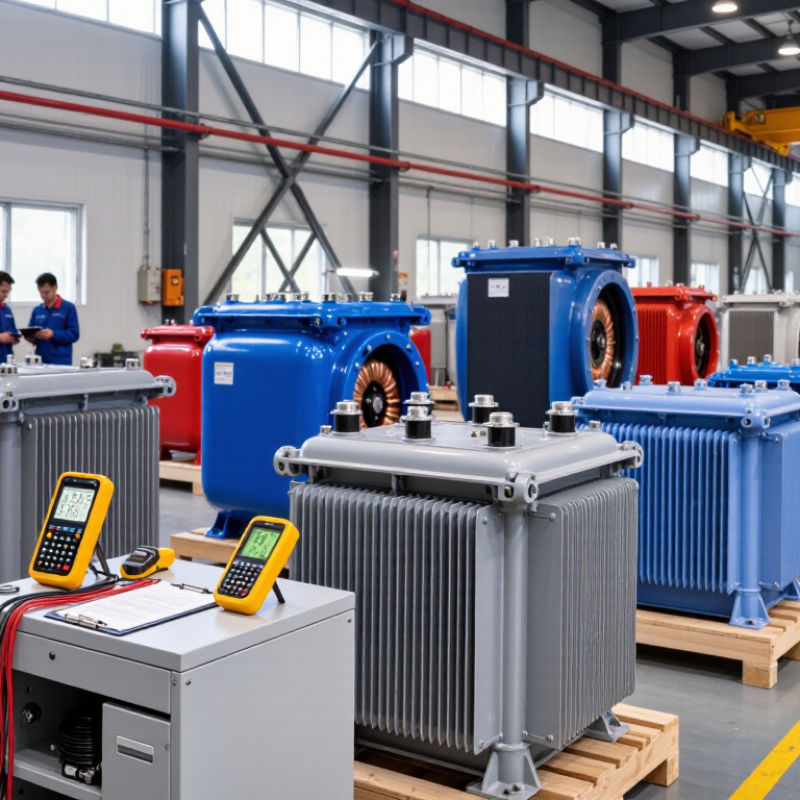
How to Choose the Best Single Phase Transformer in China?

Define Load Capacity in kVA, Including 20–30% Future Demand

When choosing the best single phase transformer in China, define the load in kVA before comparing prices or delivery times. List every appliance, motor, lighting circuit, and control device connected to the transformer. Record its voltage, wattage, operating hours, and power factor. Motors also create starting current. Ignore that detail, and the transformer may trip during startup.

Convert the expected load into kVA using kVA = kW ÷ power factor. For example, an installation using 8 kW at a 0.80 power factor requires about 10 kVA. Add 20–30% for future demand, bringing the design range to 12–13 kVA. A 15 kVA Transformer may provide a practical margin when standard sizes are available. Do not fill the unit continuously. Heat and voltage drop reduce dependable performance.

Check the calculation against actual site conditions. High ambient temperatures, long cables, dusty rooms, and frequent motor starts can increase stress. Ask the manufacturer for temperature-rise data, efficiency figures, impedance, insulation class, and routine test records. Confirm the primary and secondary voltages match the local system. A transformer can meet the kVA number and still perform poorly if the voltage is wrong. This estimate is not perfect; future machinery may consume more than the original plan. Leave space in the panel and verify the final load with an electrician before ordering.

Match Primary and Secondary Voltages for 50 or 60 Hz Systems

Choosing a Single Phase Power Transformer in China starts with the frequency and voltage on both sides. China’s public supply is commonly 220 V, 50 Hz, while many overseas systems use 110–120 V at 60 Hz. IEC 60038 defines preferred voltage ranges, but local utility conditions still require verification. Read the equipment nameplate, measure the supply, and confirm the required secondary voltage. Do not rely on country labels alone.

Frequency matters. A transformer designed for 50 Hz may overheat on a 60 Hz system only in specific magnetic designs, while a 60 Hz unit usually needs careful evaluation at 50 Hz. The manufacturer should provide no-load voltage, full-load voltage, impedance, insulation class, and temperature-rise data. The U.S. Department of Energy’s transformer efficiency technical analysis shows that small efficiency improvements can reduce lifetime energy losses across large installed fleets. That matters when a transformer runs continuously.

Check the real load, not only its advertised rating. Motors, control panels, and rectifiers can create short starting surges. A 2 kVA load may need a higher-rated transformer during startup. Leave practical headroom, perhaps 20% to 30%, after confirming the duty cycle. IEA’s Electricity 2024 report expects global electricity demand to grow by an average 3.2% annually through 2026, increasing pressure on efficient equipment. I sometimes see buyers match voltage correctly but ignore frequency and harmonics. That is an expensive oversight. Ask for routine test records and a clear wiring diagram before approval.

How to Choose the Best Single Phase Transformer in China?

Match primary and secondary voltages for 50 or 60 Hz systems

The chart shows common nominal single-phase transformer voltage combinations used for control, lighting, and low-voltage power applications. Select a primary voltage that matches the available supply, then choose a secondary voltage that matches the load. Confirm whether the transformer is rated for 50 Hz, 60 Hz, or both before purchase; a 60 Hz-only transformer should not be connected to a 50 Hz supply unless the manufacturer permits it.

Choose Dry-Type or Oil-Immersed Designs for Indoor and Outdoor Use

How to Choose the Best Single Phase Transformer in China?

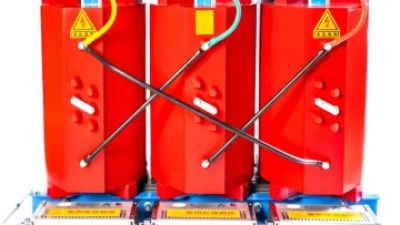
Choosing a single phase transformer in China starts with the installation environment. Dry-type transformers suit indoor rooms, workshops, hospitals, and buildings where fire safety and clean operation matter. They use air for cooling, produce no oil leaks, and need proper ventilation.

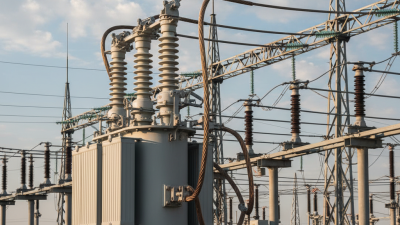
Oil-immersed transformers often fit outdoor applications, rural networks, and utility areas. Their oil improves insulation and heat transfer, especially under continuous loads. However, the tank needs weather protection, safe clearance, and routine leak inspections.

The right choice depends on load, temperature, noise limits, and available space.

Tips: Confirm voltage, frequency, capacity, insulation level, and cooling method with a qualified engineer. Ask for temperature-rise data, routine test records, and clear installation instructions. Check whether local regulations require oil containment or fire separation.

Site conditions can change the decision. Dusty indoor spaces may challenge a dry-type unit without regular cleaning. An outdoor oil-immersed transformer may perform well, but poor drainage can create serious maintenance problems.

I have seen projects focus on purchase price and overlook cable length, ventilation, or future load growth. That approach seems efficient, yet it can become expensive. Select a manufacturer with traceable testing and responsive technical support. Review the design carefully. Small details matter.

Compare Efficiency Targets of 95–99% and Transformer Losses

How to Choose the Best Single Phase Transformer in China?

A practical comparison should begin with efficiency at the expected load, not only the nameplate rating. A 95% transformer may appear economical, but a 99% model can reduce operating losses over many years. Efficiency changes with load. No-load losses continue while energized, while load losses increase as current rises. For a single phase oil transformer , review both values in the technical test report. Check the rated capacity, voltage ratio, temperature rise, and insulation results. Small details matter. A transformer running at 40% load needs different priorities from one operating near full capacity.

Tips: Ask for guaranteed losses at 25%, 50%, 75%, and 100% load. Compare total annual energy costs, not just purchase prices. Confirm testing follows recognized standards and includes routine inspection records. Also check oil quality, enclosure protection, ventilation, and service access. Measure both.

Efficiency targets between 95% and 99% can sound simple, but the best choice depends on duty cycles and electricity prices. Higher efficiency often requires better core materials, tighter manufacturing control, and stronger quality verification. However, an advertised percentage may hide test conditions. Request the measurement temperature and power factor. I have seen comparisons fail because buyers used no-load figures alone. That is an easy mistake. Local climate, installation height, and maintenance habits also affect real performance. A careful supplier should explain these limitations clearly and provide traceable documentation.

Verify IEC 60076 Compliance, Insulation Class, and Temperature Rise

Choosing the best single phase transformer in China starts with evidence, not attractive specifications. Ask for an IEC 60076 compliance statement and independent routine test reports. Check whether the documents match the exact model, rating, and production batch. A copied certificate proves very little.

For a single phase oil-immersed transformer, inspect insulation class carefully. The winding insulation must suit the system voltage, switching conditions, and local climate. Request insulation resistance, power-frequency withstand, and lightning impulse test results. Ask how oil moisture is controlled during filling. Small details matter. Also review the oil’s electrical strength and maintenance requirements.

Temperature rise deserves practical attention. Compare the declared winding and oil temperature rise with IEC 60076 limits. Then consider altitude, ventilation, ambient temperature, and continuous loading at your installation site. A transformer may pass factory testing yet run hotter in a poorly ventilated room. I have seen buyers focus on rated capacity while ignoring dust and restricted airflow. That is an easy mistake. Ask for heat-run test data, loading assumptions, and protection settings. If the supplier cannot explain these figures clearly, pause before ordering. One uncomfortable question can prevent years of avoidable losses.

Assess Copper, Aluminum, Core Steel, and Enclosure Protection Levels

When comparing single phase transformers in China, look beyond the price tag and ask what the windings are made of. Copper generally offers strong conductivity in a compact winding, while aluminum can reduce weight and material cost. Neither choice is automatically best. Check the rated load, winding temperature rise, efficiency data, and test records for the exact model. A small workshop transformer may face long operating hours, so modest efficiency differences can matter over time.

Ask for the core steel specification and no-load loss figures. Grain-oriented electrical steel is commonly used to guide magnetic flux, but the design and assembly also affect performance. Request test data rather than relying on a material name alone. Core noise can offer a clue, but it is not a reliable acceptance test. It’s easy to overread it.

Enclosure protection should match the installation, not just look rugged. For a dusty indoor room, dust protection may matter more than resistance to rain; outdoor units need suitable protection against water, corrosion, and temperature changes. Confirm the stated IP rating and how cable entries are sealed. Also inspect ventilation openings and mounting points. Small details matter. If the site conditions are unclear, pause and document them before choosing; that step is sometimes overlooked.

How to Choose the Best Single Phase Transformer in China? - Assess Copper, Aluminum, Core Steel, and Enclosure Protection Levels
Assessment Dimension Option or Level Typical Technical Data Selection Guidance
Winding Conductor Selection
Electrical conductivity Copper Approximately 100% IACS; resistivity about 0.01724 Ω·mm²/m at 20 °C. Use when low winding resistance, compact dimensions, and strong short-circuit performance are priorities.
Electrical conductivity Aluminum Approximately 61% IACS; resistivity about 0.02826 Ω·mm²/m at 20 °C. Requires a larger conductor cross-sectional area than copper for comparable ampacity, but can reduce material weight and cost.
Material density Copper versus aluminum Copper: approximately 8.96 g/cm³. Aluminum: approximately 2.70 g/cm³. Aluminum windings can lower winding weight; the final transformer size depends on current density, cooling, insulation, and mechanical design.
Thermal and joint performance Either conductor Copper and aluminum require correctly designed joints, insulation systems, clamping, and temperature-rise verification. Do not compare conductor material alone. Request winding resistance, temperature-rise, impulse, and short-circuit test data.
Conductor selection rule Project-based choice Choose based on rated current, allowable losses, available space, mass, ambient temperature, and total ownership cost. For compact indoor equipment, copper is often advantageous. For weight-sensitive or cost-sensitive designs, aluminum may be suitable when properly engineered.
Core Steel and Magnetic Design
Core material Grain-oriented electrical steel Designed for low loss in the rolling direction and commonly used for power-frequency transformer cores. Preferred for efficient 50/60 Hz single phase transformers when low no-load loss is important.
Core lamination thickness Thin electrical-steel laminations Common transformer laminations are often approximately 0.23–0.35 mm thick; the exact grade determines loss performance. Thinner laminations generally reduce eddy-current loss but may increase material cost and manufacturing complexity.
Magnetic flux density Conservative operating design Typical 50/60 Hz designs operate below the material saturation region; exact flux density depends on steel grade, waveform, frequency, and loss target. Ask for the guaranteed no-load loss at rated voltage and frequency rather than selecting only by nominal core material.
Core construction Step-lap or carefully jointed construction Improved joints can reduce local flux concentration, vibration, audible noise, and no-load loss compared with poorly assembled joints. Check core-joint quality, clamping method, burr control, and measured no-load current.
Core loss verification Factory acceptance data No-load loss is measured at rated frequency and voltage; values vary with core size, steel grade, flux density, and assembly quality. Specify maximum no-load loss and no-load current in the purchase requirements.
Enclosure Protection and Installation Environment
Basic indoor protection IP20 Protected against solid objects larger than 12.5 mm; no protection against water. Suitable only for clean, dry indoor locations with controlled access and no water exposure.
Ventilated outdoor or sheltered installation IP23 Protected against solid objects larger than 12.5 mm and water spraying up to 60° from vertical. Useful where ventilation is required and the transformer is protected from direct rain and dust accumulation.
General industrial indoor use IP44 Protected against solid objects larger than 1 mm and water splashing from all directions. Suitable for many indoor industrial areas, provided dust and moisture levels remain moderate.
Dusty or damp environment IP54 Dust-protected, with limited dust ingress, and protected against water splashes from all directions. A practical starting point for workshops, utility rooms, and industrial areas with moderate dust or moisture.
Outdoor or wash-down exposure IP55 Dust-protected and protected against water jets from any direction. Consider when the enclosure may receive rain, cleaning spray, or stronger water exposure; drainage and corrosion protection are still required.
High dust and water exposure IP65 Dust-tight and protected against water jets from any direction. Use only when the thermal design, cable entries, seals, and pressure equalization are compatible with a more enclosed structure.
Insulation, Temperature, and Compliance Checks
Insulation thermal class Class B / Class F / Class H Maximum insulation-system temperatures are approximately 130 °C, 155 °C, and 180 °C respectively, according to IEC 60085 classifications. Choose a class suitable for ambient temperature, loading profile, cooling method, and expected service life. A higher class does not automatically permit higher loading.
Ambient temperature Installation-specific Transformer rating and temperature rise depend on ambient temperature, altitude, ventilation, enclosure, and duty cycle. Provide the maximum and average ambient temperatures, altitude, indoor/outdoor location, and ventilation conditions before final sizing.
Input and output voltage Rated voltage and frequency Confirm primary voltage, secondary voltage, 50/60 Hz frequency, tap requirements, phase arrangement, and voltage tolerance. Incorrect frequency or excessive voltage per turn can increase magnetizing current, noise, and core heating.
Required verification Routine and type testing Typical checks include winding resistance, turns ratio, polarity or vector relationship, insulation resistance, applied-voltage withstand, induced-voltage withstand, and no-load loss. Request test records referencing the applicable IEC or equivalent national standard and the exact transformer rating.
Recommended specification priority Performance before appearance Define guaranteed losses, temperature rise, insulation level, enclosure IP rating, sound level, dimensions, and accessories. The best selection balances conductor material, core-loss target, protection level, efficiency, installation conditions, and lifecycle cost.
Reference note: IP ratings are based on IEC 60529 concepts, insulation thermal classes follow IEC 60085 classifications, and transformer performance requirements should be matched to the applicable IEC 60076 series or equivalent local standard. Actual values must be confirmed in the transformer design and test documentation.

Compare China Supplier Certifications, Testing, Warranty, and Total Cost

Choosing the best single-phase transformer in China requires more than comparing factory prices. Check ISO 9001 certification, but do not treat it as product approval. The ISO Survey 2022 recorded 1,265,216 ISO 9001 certificates worldwide. This shows quality systems are common, not automatically effective. Ask for certificates from recognized bodies, factory scope, and expiry dates. For the transformer itself, request IEC 60076-based routine and type-test reports. Verify serial numbers, test dates, insulation resistance, temperature rise, and load-loss results. A vague PDF should raise questions.

Testing affects total cost directly. The U.S. Department of Energy’s transformer analysis shows that no-load losses continue whenever equipment is energized. A cheaper unit can quietly consume more electricity for years. Compare purchase price, transport, installation, oil or dry-type maintenance, expected losses, and disposal costs. Include testing before shipment and commissioning support. I once treated a low quotation as a saving. It was not, because missing accessories delayed installation.

Tips: Ask for three written quotations using identical specifications. Confirm whether the Single Phase Regulator function is included or separately priced. Read the warranty carefully: coverage period, response time, replacement rules, labor, and transport responsibility. A 24-month warranty sounds useful, but weak evidence and unclear claims procedures may reduce its real value. Ask for customer references, independent inspection access, and a signed test schedule. Allow room for doubt; even experienced buyers can overlook voltage variation, ambient temperature, or abnormal service conditions.

10kV 630kVA Dry-Type Transformers: Efficient Power Delivery Insights from IEA Electricity 2024 & DOE 2022

As electricity demand accelerates, medium-voltage infrastructure must deliver more power with lower losses and stronger operational reliability. The International Energy Agency’s *Electricity 2024* report forecasts global electricity demand to grow by an average of approximately 3.4% annually through 2026, adding nearly 2,500 TWh of consumption. In this environment, a high-efficiency 10 kV, 630 kVA dry-type transformer provides a practical solution for industrial facilities, commercial buildings, renewable-energy systems, and urban distribution networks. Its dry insulation design eliminates the need for liquid dielectric oil, reducing leakage risks and simplifying indoor installation and maintenance.

Efficiency is especially important because distribution transformers remain energized for most of their service life, including periods of relatively low load. The U.S. Department of Energy’s 2022 transformer analysis assessed efficiency improvements through lifecycle energy use, operating losses, and long-term customer savings. A 10 kV, 630 kVA unit designed with optimized magnetic materials, low-loss windings, and effective thermal management can reduce no-load and load losses while supporting stable voltage delivery. With strong short-circuit resistance, reduced fire-related concerns, and lower routine maintenance requirements, dry-type technology can help power users manage rising electricity demand while improving the durability and efficiency of medium- and low-voltage distribution systems.

FAQS

How do I estimate the transformer’s required capacity?

List each appliance, motor, light, and control device. Convert kilowatts to kVA by dividing by power factor. For example, 8 kW at 0.80 power factor needs about 10 kVA. Add 20–30% for future demand. Check the final load on site.

Why should I allow extra capacity?

Extra capacity helps accommodate future equipment and short demand peaks. A 10 kVA load might point to a 12–13 kVA design range. A 15 kVA unit may offer a practical margin. Don’t plan to run it continuously at full capacity.

What voltage and frequency details should I confirm?

Check the primary and secondary voltage on the equipment nameplate. Measure the supply when possible, and confirm whether the system uses 50 or 60 Hz. Country labels alone are not enough. The wrong frequency can affect performance.

Do motors need a larger transformer rating?

Often, yes. Motors can draw high starting current, even when their normal load seems modest. A 2 kVA load may need a higher-rated unit during startup. Check motor starting conditions and duty cycles.

Which transformer test details should I request?

Ask for efficiency, impedance, insulation class, temperature-rise data, and routine test records. Confirm the no-load and full-load voltage figures. A wiring diagram helps, too. Don’t rely on a rating alone.

Is copper always better than aluminum for windings?

Not automatically. Copper can provide strong conductivity in a compact winding, while aluminum may reduce weight and material cost. Compare the exact model’s efficiency and temperature-rise data. Price alone tells little.

What should I check about the core and enclosure?

Request core material details and no-load loss figures. Match the enclosure protection to the site. Dusty indoor rooms need suitable dust protection; outdoor locations also face rain and corrosion. Check sealed cable entries and ventilation openings.

Which site conditions can change transformer performance?

High temperatures, long cables, dust, and frequent motor starts can increase stress. Leave space in the panel and review the installation conditions. This estimate can still miss future machinery. Verify the final load before ordering.

Conclusion

Choosing the best Single Phase Transformer in China starts with accurately defining the required load capacity in kVA and adding 20–30% reserve for future expansion. Confirm that the primary and secondary voltages match your equipment and site conditions, while also selecting the correct 50 or 60 Hz frequency. For indoor installations, dry-type designs may offer clean and low-maintenance operation, while oil-immersed models can be suitable for outdoor applications when properly protected.

A thorough comparison should include efficiency targets of approximately 95–99%, no-load and load losses, insulation class, allowable temperature rise, and compliance with IEC 60076. Examine the quality of copper or aluminum windings, core steel, cooling arrangements, and enclosure protection levels. When evaluating suppliers, review certifications, routine and type testing, inspection procedures, warranty terms, delivery capability, technical support, and total ownership cost rather than focusing only on the purchase price. A reliable selection balances safety, efficiency, durability, and long-term operating value.
Sophie

Sophie

Sophie is a dedicated marketing professional at Golden Triangle Power Technology Co., Ltd., where she leverages her expertise to highlight the company's innovative products and services. With a deep understanding of the power technology sector, Sophie plays a crucial role in crafting informative......
Previous 7 Tips for Choosing an Oil Immersed Transformer?