National hotline:+86 18809263088
Leave Your Message
0%

Picking out the right One Phase Transformer isn’t just about grabbing whatever’s available. It really starts with understanding what's going on electrically at your installation site. You gotta pay attention to things like the rated voltage, load capacity, frequency, and phase requirements—these need to match your equipment, not just the specs on a label. If you’re setting up, say, a workshop with motors, control panels, or sensitive instruments, the power needs to be rock solid. Even a tiny mismatch can lead to overheating, voltage drops, or those frustrating shutdowns all the time.

Experienced engineers will also think about the environment where the Transformer will sit. Whether it’s a dusty factory, an outdoor cabinet, or a quiet office, each spot calls for different protection measures and cooling needs. You’ll want to check out the enclosure type, insulation class, temperature limits, and ventilation options. And don’t just rely on the numbers on the nameplate—measure the actual load you expect. Doing that practical step can catch short-term surges or spikes that simple calculations might miss.

Of course, safety and dependability are just as important. Good manufacturers will provide test records, detailed technical drawings, clear warranty info, and transparent quality procedures. Look for products that meet recognized standards like IEC or IEEE, especially if they apply to your project. Also, decide if copper or aluminum windings make more sense for your operating conditions and maintenance plans—little details like that really add up.

Take your time with the decision—don’t rush it. A smaller, cheaper transformer might seem like a deal, but if it’s not efficient enough, your operating costs could skyrocket over time. On the flip side, going too big can cost more upfront and might not perform well under lighter loads. Even experienced buyers can overlook things like harmonic distortions, starting currents, or future expansion needs. That’s where a careful review truly pays off. This guide’s got you covered, outlining the key factors to consider, common mistakes to watch out for, and kind of questions you should be asking before giving the green light on a One Phase Transformer. Remember, some setups might need a specialist to check things out—that’s not a sign of weakness; it’s responsible engineering guarding your investment.
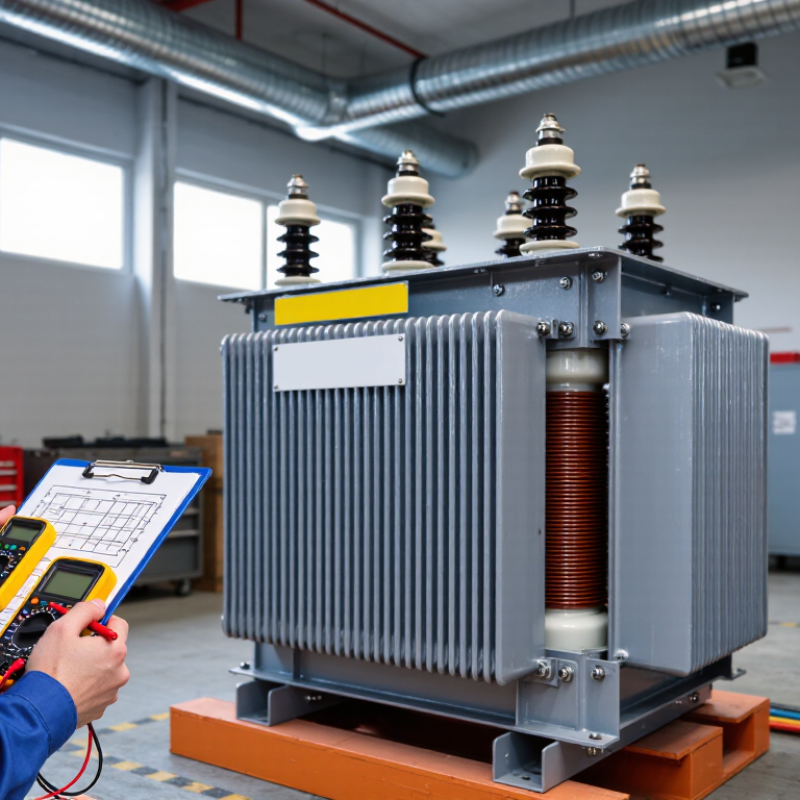
How to Choose the Right One Phase Transformer?

Define Single-Phase Transformers by VA Ratings, Voltages, and 50/60 Hz Frequency

Choosing the right one phase transformer begins with accurate load data, not cabinet size. The VA rating shows how much apparent power the transformer can handle. Calculate the total load, then allow extra capacity for motor starting current or brief surges. A practical margin is often 20% to 30%, depending on the equipment. I have seen undersized units become hot during startup. They failed quietly at first.

Voltage selection needs equal care. Confirm the input voltage, output voltage, and connection type from the equipment nameplate. A 240 V primary and 120 V secondary transformer will not suit a 230 V system automatically. Check voltage tolerance and regulation too. Small control circuits may react badly to a minor voltage drop. Frequency matters more than many buyers expect. A transformer designed for 50 Hz should not be used at 60 Hz without verification. The same caution applies in reverse. Review the nameplate.

When requesting OEM One Phase Transformer Quotes, provide VA rating, primary and secondary voltages, frequency, insulation class, enclosure conditions, and quantity. Ask about temperature rise and terminal arrangements. These details make quotations comparable. I once focused only on price and overlooked installation space. That was a poor decision. Measure the panel before approval. Also verify grounding provisions and local compliance requirements with a qualified electrician. Expect some uncertainty when the load is estimated, and revise the rating after real operating measurements.

Calculate Load Demand with Continuous Loads, Inrush Current, and 25% Capacity Reserve

Choosing the right Single Phase Transformer starts with the load, not the nameplate voltage. I record every connected device, its voltage, power factor, duty cycle, and starting behavior. A 700 W heater and a 700 VA motor do not impose the same transformer demand. Use VA, not watts alone, because power factor changes the current drawn. Add continuous VA loads, include simultaneous intermittent loads, then apply a 25% capacity reserve. This margin supports temperature changes, future devices, and imperfect field data.

Suppose controls require 600 VA continuously, while a solenoid adds 250 VA intermittently. The base demand is 850 VA; with reserve, the target becomes 1,062.5 VA. Do not stop there. A motor may draw five or six times its running current during startup. That brief surge can pull secondary voltage down and release a contactor. Measure or obtain the inrush current, then check the transformer's impedance and short-term capability. If inrush exceeds available starting capacity, select a larger unit or reduce simultaneous starting.

I also check primary protection, conductor length, ambient temperature, and expected expansion. These details often explain nuisance trips better than a simple VA calculation. Leave room physically. A tightly packed enclosure can run hotter than the worksheet predicts. My own estimates are not always perfect; nameplate data can be missing or optimistic. For critical equipment, I verify the result with a loaded startup test and qualified electrical review. Local installation requirements still control the final selection.

Match Primary and Secondary Voltages, Including Common 120/240 V Systems

How to Choose the Right One Phase Transformer?

Selecting a one phase transformer starts with matching the primary voltage to the available supply. The secondary voltage must match the equipment’s required input. Check the nameplate carefully. A transformer rated for 240 volts primary should not receive 120 volts unless its wiring allows that connection. Some units include multiple primary taps, but the correct tap depends on measured supply voltage and installation instructions.

The familiar 120/240 V system needs closer attention. Its secondary usually has a center tap, creating two 120 V circuits and one 240 V circuit. Measure 120 V between either line and neutral. Measure 240 V between both lines. A 120 V appliance connected across both lines may suffer immediate damage. It sounds obvious, yet field mistakes still happen. The neutral connection also needs verification, not assumption.

Compare the transformer’s VA or kVA rating with the connected load, including motor starting current. Confirm the frequency, enclosure, insulation class, and voltage tolerance.

A slightly higher secondary voltage can affect lighting, controls, and sensitive electronics. I have found that measured voltage often differs from the label, especially in older installations. That detail deserves attention.

Leave grounding and final connections to a qualified electrician. A practical test with a calibrated meter can prevent an expensive error. Do not rely on wire color alone. Mistakes are rarely dramatic at first. They become costly later.

Select Transformer Efficiency Above 95% and Control Voltage Regulation

How to Choose the Right One Phase Transformer?

Efficiency above 95% should be your starting point, not your final decision. A one phase transformer loses energy through core losses and winding losses. These losses continue, even when the load is light. The U.S. Department of Energy’s Distribution Transformer Technical Support Document estimates annual U.S. distribution transformer losses near 61 billion kWh. That figure makes small efficiency differences financially important. Check test results at 25%, 50%, 75%, and 100% load. A unit rated above 95% at full load may perform differently in a lightly loaded panel.

Voltage regulation deserves equal attention. It measures how much secondary voltage changes between no-load and full-load conditions. In practice, a 230 V output that falls to 222 V can affect motors, controls, and lighting drivers. Set a project limit, often around 2–3% for sensitive equipment, after reviewing feeder length, impedance, and starting current. IEC 60076 test methods provide a reliable reference for transformer performance. Do not rely only on a catalogue percentage.

I once saw a specification chosen from efficiency alone. The transformer passed the energy target but produced excessive voltage drop during motor starting. That was an expensive lesson. Compare guaranteed losses, regulation curves, temperature-rise data, and sound test certificates. For larger systems, review whether a Three Phase Transformer would reduce conductor losses and improve distribution balance. Keep the comparison practical. Use measured site voltage, not an assumed nominal value.

How to Choose the Right One-Phase Transformer?

Select a transformer that maintains efficiency above 95% across its normal operating range while keeping voltage regulation low. The chart shows representative engineering benchmark values for a typical dry-type one-phase distribution transformer under a balanced resistive load.

Efficiency and voltage regulation vary with transformer design, rated capacity, power factor, temperature, and loading conditions. Always verify manufacturer test data before selection.

Verify Insulation, Temperature Rise, and IEC 60076 or IEEE C57 Compliance

Choosing a Single Phase Power Transformer requires more than matching voltage and kVA ratings.

Insulation, temperature rise, and standards determine long-term safety. Start with insulation.

Review the insulation class, dielectric strength, clearances, and test records. Ask for power-frequency withstand and impulse test results when the installation requires them. Inspect seals, bushings, and connection points for moisture protection. Small gaps can become serious faults. During factory acceptance, confirm that measured values match the approved design. Measure it twice.

Temperature rise deserves equal attention. A transformer rated for 40°C ambient conditions may perform differently inside a hot, poorly ventilated enclosure. Check winding and oil temperature rise, cooling method, load profile, and altitude corrections. A thermal scan under normal load can reveal uneven heating around terminals. However, one scan is not enough evidence. Conditions change.

IEC 60076 and IEEE C57 provide recognized requirements for design, testing, insulation coordination, and performance verification. Check which standard applies to the project and whether the test report identifies the exact transformer configuration. Paper compliance is not enough. An experienced engineer should compare calculations, nameplate data, protection settings, and site conditions. Field reviews often expose assumptions that drawings miss. No selection process is flawless, and a clean datasheet can still hide an unsuitable cooling margin.

Compare Enclosure Types, Cooling Methods, Installation Sites, and Safety Needs

How to Choose the Right One Phase Transformer?

Choosing a one phase transformer starts with the enclosure, not just the voltage rating. A ventilated enclosure suits clean, dry electrical rooms with steady airflow. A sealed enclosure works better where dust, moisture, or accidental contact may occur. Check the enclosure rating against the installation environment. A workshop with metal dust needs more protection than a quiet office.

Cooling method also affects service life. Dry-type transformers usually rely on natural air circulation, but restricted airflow can raise winding temperature quickly. Leave the manufacturer’s recommended clearance around vents. In field inspections, blocked vents and crowded cabinets are common problems. They are easy to overlook. Oil-filled designs may support higher loads, yet they require spill control, ventilation, and careful fire-risk assessment. The site matters just as much. Indoor units need accessible maintenance space, while outdoor units need weather protection, drainage, and secure mounting.

Safety requirements should guide the final choice. Confirm input and output voltages, load diversity, fault current, grounding, and overcurrent protection with a qualified electrical professional. A transformer placed near water, heat, or combustible materials needs additional safeguards. Local codes and inspection rules can differ. Do not assume a familiar installation is automatically acceptable. I have also seen projects specify capacity too tightly, leaving no practical allowance for future equipment. That decision saved money initially, but created avoidable replacement work later.

S11 Outdoor Sealed Transformer: A Practical Guide to Reliable Power Distribution

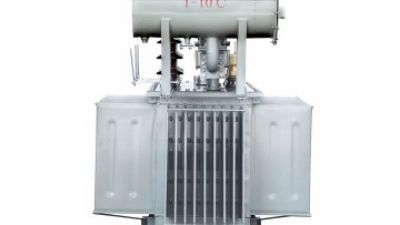
The S11 outdoor sealed transformer is an oil-immersed power distribution transformer designed for dependable outdoor operation. Its sealed construction helps protect the insulating oil and internal components from moisture, dust, and other environmental conditions, making it suitable for utility networks, industrial facilities, construction sites, and rural power systems. By reducing direct contact between the oil and outside air, the design can also help limit oxidation and support stable insulation performance during long-term service.

For reliable power distribution, correct capacity selection is essential. The transformer should be matched to the expected load, voltage level, installation environment, and future demand. A firm, level foundation and adequate clearance around the enclosure help ensure safe heat dissipation and convenient inspection. Before energizing, technicians should check the connections, grounding system, oil condition, protective devices, and overall sealing condition. Proper cable arrangement and secure terminal connections can reduce the risk of overheating or voltage loss.

Routine maintenance should include checking for oil leakage, unusual noise, abnormal temperature rise, corrosion, and damage to bushings or accessories. Operators should keep the surrounding area clean and free from standing water, combustible materials, and obstructions that could affect ventilation or access. Periodic electrical testing and protective-device inspection can identify developing faults early, while load records help determine whether the transformer is operating within its intended range.

FAQS

How do I choose the correct VA rating for a single-phase transformer?

Add the apparent power of all connected loads. Include motors, controls, lighting, and brief startup surges. Allow about 20% to 30% extra capacity. Do not size it by cabinet dimensions. That shortcut can create heat.

Which voltage details must I verify before ordering?

Confirm the primary voltage, secondary voltage, frequency, and connection type. Read the equipment nameplate carefully. A 240 V primary and 120 V secondary may not suit a 230 V system. Check voltage tolerance and regulation requirements too.

Does frequency affect transformer selection?

Yes. A transformer designed for 50 Hz may not suit 60 Hz operation without verification. The reverse situation also needs checking. Review the nameplate and technical data before approval.

What efficiency should I expect from a single-phase transformer?

Use efficiency above 95% as an initial target. It should not be the only selection factor. Core and winding losses continue during light loading. Request loss data at 25%, 50%, 75%, and 100% load.

Why is voltage regulation important?

Voltage regulation shows how much the output changes under load. For example, a 230 V output might fall to 222 V. That drop can affect motors, controls, and lighting drivers. Sensitive equipment may need a project limit near 2% to 3%.

Which enclosure suits dusty or damp locations?

A ventilated enclosure suits clean, dry rooms with reliable airflow. A sealed enclosure offers better protection from dust, moisture, and accidental contact. Metal dust needs special attention. Do not assume an office-style enclosure fits a workshop.

What installation conditions affect cooling and service life?

Keep the recommended clearance around ventilation openings. Blocked vents can raise winding temperature quickly. Indoor units need accessible maintenance space. Outdoor units need weather protection, drainage, and secure mounting. Small details matter.

What information should I include when requesting transformer quotations?

Provide the VA rating, input voltage, output voltage, frequency, and quantity. Also state insulation class, enclosure conditions, terminal arrangements, and temperature-rise limits. Include available installation space. I once focused only on price and missed the panel size. That was a poor decision.

Should I revise the transformer rating after installation?

Yes, if the original load estimate was uncertain. Measure operating voltage, current, temperature, and startup behavior. Compare those readings with the selected rating. Future equipment may require additional capacity. Initial savings can become replacement work later.

Conclusion

Choosing the right One Phase Transformer begins with identifying the required VA rating, primary and secondary voltages, and operating frequency of 50 or 60 Hz. Estimate the total load demand by adding continuous loads, considering inrush current from motors or other equipment, and including at least a 25% capacity reserve for reliable operation and future expansion. Confirm that the transformer’s voltage configuration matches the electrical system, including common 120/240 V arrangements, and select a unit with efficiency above 95% when practical. Good voltage regulation is also important for protecting sensitive equipment and maintaining stable output.

Before installation, verify the transformer’s insulation class, allowable temperature rise, and compliance with applicable IEC 60076 or IEEE C57 requirements. The enclosure and cooling method should suit the installation environment, whether indoors, outdoors, clean, dusty, or exposed to moisture. Finally, consider ventilation, accessibility, grounding, overcurrent protection, noise, and other site-specific safety needs to ensure dependable and efficient long-term performance.
Clara

Clara

Clara is a dedicated marketing professional at Golden Triangle Power Technology Co., Ltd., where she leverages her extensive knowledge of the company's innovative products to drive strategic marketing initiatives. With a strong passion for the energy sector, Clara is well-versed in the technical......
Previous 10 Best Transformer Manufacturers for Global Buyers?