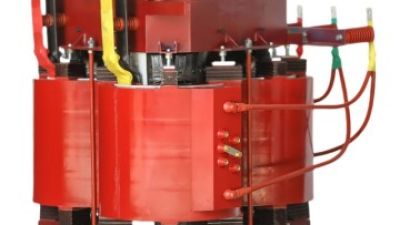
Getting a good grip on how Oil Type Transformers work can actually be pretty tricky. These things are super important in electrical systems—they’re kind of the backbone, you know? And because they’re efficient and pretty reliable, a lot of industries prefer using them. Big names like Siemens and ABB really know their stuff when it comes to making these devices with great precision.
So, basically, an oil type transformer uses mineral oil as its insulation. This is a smart move because it helps keep things cool, which is really key for making sure everything runs smoothly. But, here’s the thing— not all oil transformers are exactly the same. Some can have their quirks, and their operation might vary depending on where you use them or the environment they’re in.
Of course, while these transformers come with plenty of perks, there are a few concerns too. Leaks, for example, can be a real environmental headache. That’s why regular check-ups and maintenance are so crucial. If you know the top ten models out there, you’ll be better equipped to pick the right one and keep your system safe and running efficiently. Bottom line? A little knowledge about their strengths and weaknesses can make a big difference in maintaining a safe, reliable electrical setup.
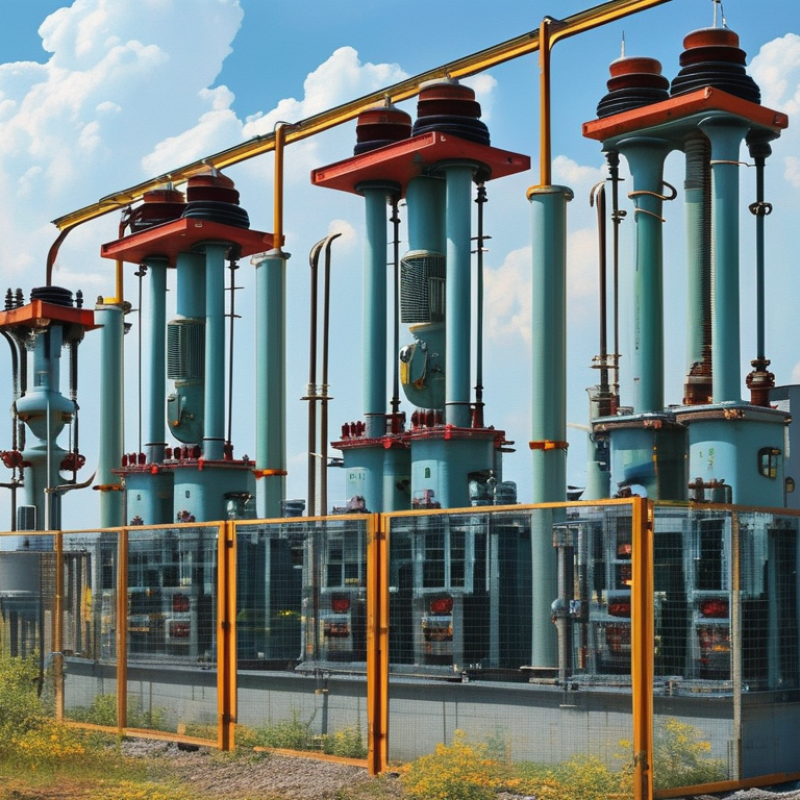
Top 10 Oil Type Transformers: A Comprehensive Overview
When it comes to oil type transformers, understanding their significance is crucial. These transformers play a vital role in ensuring reliable electricity distribution. According to the International Energy Agency, the global transformer market is projected to reach over $40 billion by 2026. This growth stems from increasing energy demands and the need for efficient distribution systems.
Oil type transformers offer unique advantages. Their insulation properties enable them to operate effectively under high voltages. Furthermore, these transformers are capable of withstanding harsh environmental conditions. However, issues related to oil quality and maintenance practices can lead to performance challenges. Data from industry reports indicate that improper maintenance accounts for significant failures. Regular checks on insulation and oil quality are essential for maximizing their lifespan.
Environmental concerns also impact oil type transformers. The use of mineral oil can pose risks if leaks occur. Research highlights the increasing shift towards biodegradable oils to mitigate these risks. Adopting such innovations can enhance reliability and sustainability within power systems. While oil type transformers remain integral, continuous improvement and adaptation to new solutions are necessary for future growth.
Top 10 Oil Type Transformers Overview
This chart provides an overview of the top 10 oil type transformers based on their nominal power ratings (in MVA). The data highlights the importance of these transformers in ensuring efficient power distribution and reliability in electrical grids.
Understanding Oil Type Transformers: Definition and Functionality
Oil type transformers are vital in electrical systems. They are designed to cool and insulate the internal components, using oil as a medium. This oil serves dual purposes: it dissipates heat and prevents electrical discharge. When choosing A Transformer, understanding the type of oil in the transformer is essential. Different oil types have varying properties that affect efficiency and safety.
It’s important to consider the environmental impact of the oil used. Mineral oils are common, but biodegradable options are available. These alternatives can reduce pollution risks. Regular maintenance checks on the oil quality are essential for long-term functionality. This helps prevent leaks and ensures peak performance.
Tips: When working with oil type transformers, always follow safety guidelines. Ensure proper ventilation when inspecting oil levels. Consider using thermal imaging to identify hot spots, which can indicate potential issues. Staying informed about updates in transformer technology can also help in making better maintenance decisions.
Key Industry Standards and Specifications for Oil Type Transformers
Oil type transformers play a crucial role in electrical distribution systems. Understanding industry standards for these transformers is essential for proper installation and maintenance. Key specifications include IEC 60296, which focuses on the performance characteristics of insulating oils. Another standard, IEEE C57.12.00, outlines general requirements for transformers.
When selecting oil type transformers, consider the insulation class. The various classes—A, B, F, and H—represent the temperature range they can tolerate. Reports indicate that transformers with higher insulation ratings generally last longer, enhancing system reliability. Regular maintenance checks are vital. They can prevent costly failures and ensure compliance with relevant standards.
Tips: Keep an eye on the moisture content in the oil. This is a common issue that affects longevity. Be wary of dirt and debris, which can impact performance. Oil condition monitoring can provide early detection of problems. Adhering to guidelines will not only optimize functionality but also extend the lifespan of the transformer. Regular audits are a must, as they maintain industry standards and help identify potential risks.
Market Leaders: Leading Manufacturers in the Oil Type Transformer Sector
In the oil type transformer sector, several manufacturers stand out for their product quality and market innovations. Recent data from industry analysis reveals that the global oil type transformer market is projected to grow significantly, with a CAGR of about 6% from 2021 to 2028. This growth is driven by increasing investments in renewable energy and infrastructure development.
Leading companies are focusing on enhancing the efficiency and reliability of their oil type transformers. They invest heavily in research and development. For instance, advancements in insulation materials and cooling technologies are crucial. These improvements directly impact performance and maintenance intervals. However, challenges remain. Ensuring environmental safety during the operation and disposal of oil type transformers is a key concern within the industry.
Tip: When selecting oil transformers, assess their efficiency ratings. Research shows that even small improvements can lead to significant savings over time. Also, consider environmental practices to ensure compliance with regulations. Many manufacturers are moving towards the development of eco-friendly oil alternatives in Oil And Dry Type Transformers, which can greatly decrease environmental risks.
Comparative Analysis: Advantages of Oil Type Over Dry Type Transformers
Oil type transformers, specifically the Oil Immersed Type Transformer, have several advantages over their dry type counterparts. One key benefit is their efficiency in heat dissipation. The oil acts as a coolant, ensuring that the transformer operates within safe temperature limits. This is especially important in high-demand applications where overheating can lead to equipment failure. Additionally, oil insulated transformers can handle larger loads without significant temperature rises, making them ideal for industrial settings.
Another notable advantage is their durability. Oil immersed transformers are designed to withstand harsh environments. They provide better moisture resistance than dry type transformers. This can be crucial in areas with high humidity or extreme weather conditions. However, maintenance requires more oversight. If oil leaks occur, it can lead to environmental concerns. Regular inspections are essential to ensure integrity and prevent costly issues.
On the other hand, oil type transformers can be affected by insulation degradation over time. Proper selection and routine maintenance can mitigate these risks. Understanding the trade-offs of each type is vital. Ultimately, the choice between oil type and dry type transformers will depend on specific project needs. Careful consideration of the installation environment and load requirements will guide an informed decision.
Environmental Considerations in the Use of Oil Type Transformers
The use of Transformer Oil Immersed Type transformers brings a range of environmental considerations that should not be overlooked. Oil-filled transformers, while effective for energy transmission, can pose risks to the surrounding ecosystem. Leakages can lead to soil and water contamination. These incidents may harm local wildlife and vegetation, prompting a serious review of their usage in vulnerable areas.
Another concern is the disposal of oil. After a transformer reaches the end of its life, the oil must be properly managed. Improper disposal can result in hazardous waste that jeopardizes both human health and environmental safety. Recycling methods exist, but they require adherence to strict protocols. Adopting best practices in maintenance and monitoring is crucial to mitigate risks. Regular inspections can help identify potential issues before they escalate.
Public awareness and regulatory policies play significant roles in improving safety standards. Educating stakeholders about the environmental impact of Transformer Oil Immersed Type transformers is necessary. It's essential for industries to be accountable for their actions regarding transformer oil management. Balancing efficiency with environmental stewardship calls for continuous improvement and innovation in the field. This is a challenging process, reflecting the complexities and responsibilities involved in energy management.
Future Trends: Innovations and Technology in Oil Type Transformers
The oil type transformer industry is witnessing transformative changes driven by innovation and technology. Recent data indicates that the global market for these transformers is projected to grow at a CAGR of 5.4% from 2023 to 2030. This growth is fueled by increasing demand for reliable energy solutions.
One key trend is the integration of IoT and smart technologies in oil type transformers. Enhanced monitoring systems can predict failures before they occur. This predictive maintenance approach reduces downtime and extends the lifespan of transformers. Moreover, advanced materials are being developed to improve thermal performance and efficiency.
Despite these advancements, challenges remain. Leakage and environmental concerns continue to pose risks. These issues must be addressed by industries to maintain compliance and ensure sustainability. Overall, the future of oil type transformers lies in continuous innovation, which must tackle both operational efficiency and environmental impact.
Enhancing Efficiency and Reliability: Insights from Market Reports on 15kV 33kVA Three-Phase Dry-Type Transformers
In today's energy-driven world, enhancing efficiency and reliability in power distribution is essential. The insights from market reports on 15kV 33kVA three-phase dry-type transformers underscore the significance of advanced technologies that reduce energy losses while maximizing performance. Utilizing cutting-edge core winding technology, these transformers are engineered to minimize operational losses and boost energy efficiency, offering a sustainable solution for modern power systems.
The inherent advantages of dry-type transformers make them particularly versatile. Their moisture-proof and fireproof design ensures stable operation across various environments, critical for maintaining system integrity. The compact structure facilitates easy installation and simplifies maintenance, reducing downtime and operational costs. This combination of features positions dry-type transformers as an optimal choice in power distribution and transmission, effectively supporting reliable and efficient power delivery.
With the growing emphasis on energy-saving solutions, embracing these innovations not only improves reliability but also contributes to more sustainable energy practices. As industries and infrastructure demand increasingly robust power systems, the adoption of efficient dry-type transformers will play a pivotal role in ensuring an uninterrupted and secure power supply for diverse applications.
FAQS
: Oil type transformers enable reliable electricity distribution and operate effectively under high voltages.
Increasing energy demands and investments in renewable energy drive the projected market growth.
Poor oil quality and maintenance can lead to significant performance challenges and failures.
Oil leaks can contaminate soil and water, harming local ecosystems and wildlife.
Proper disposal and recycling methods are essential to prevent hazardous waste and protect health.
Regular checks on insulation and oil quality can maximize their efficiency and durability.
Exploring biodegradable oils and implementing eco-friendly practices can mitigate risks associated with mineral oil.
Educating stakeholders about environmental impacts promotes accountability and improves safety standards.
Evaluate efficiency ratings and ensure compliance with environmental regulations to minimize risks.
Continuous improvement and innovation are necessary to address challenges in energy management.
Conclusion
Oil Type Transformers play a crucial role in the electrical distribution industry, offering unique advantages over their dry type counterparts. These transformers utilize oil as a cooling and insulating medium, which enhances their efficiency and performance. A comprehensive overview of Oil Type Transformers highlights their definition, functionality, and the key industry standards that govern their use.
Moreover, the article delves into the environmental considerations associated with Oil Type Transformers, emphasizing the importance of responsible practices in their operation. The future of these transformers looks promising, as innovations and advancements in technology continue to improve their design and functionality. Overall, understanding the features and benefits of Oil Type Transformers is essential for industry professionals aiming to optimize their energy management solutions.