


What Is a Three-Dimensional Triangular Core Transformer? Advantages and Applications
Definition of three-dimensional triangular core Transformer
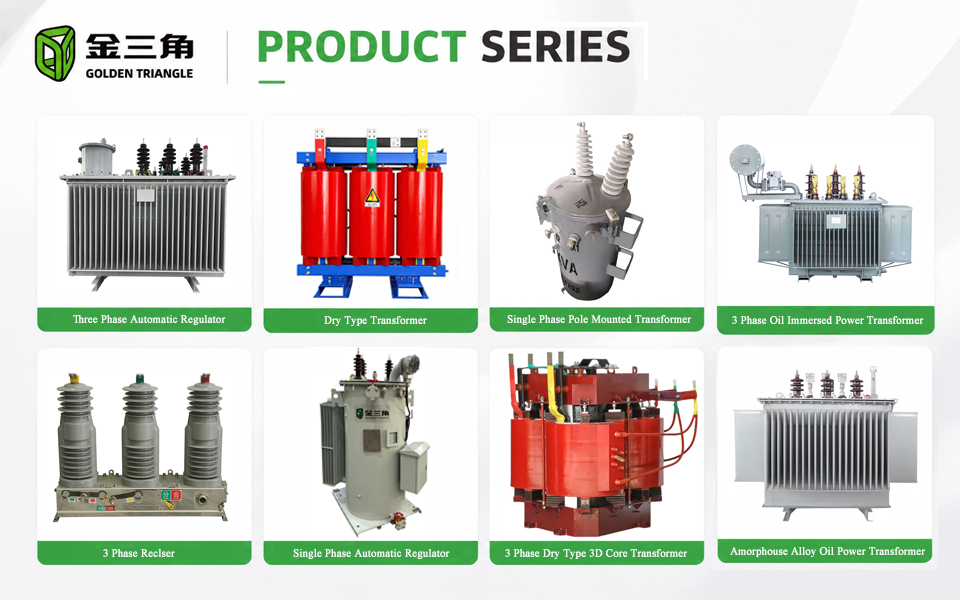
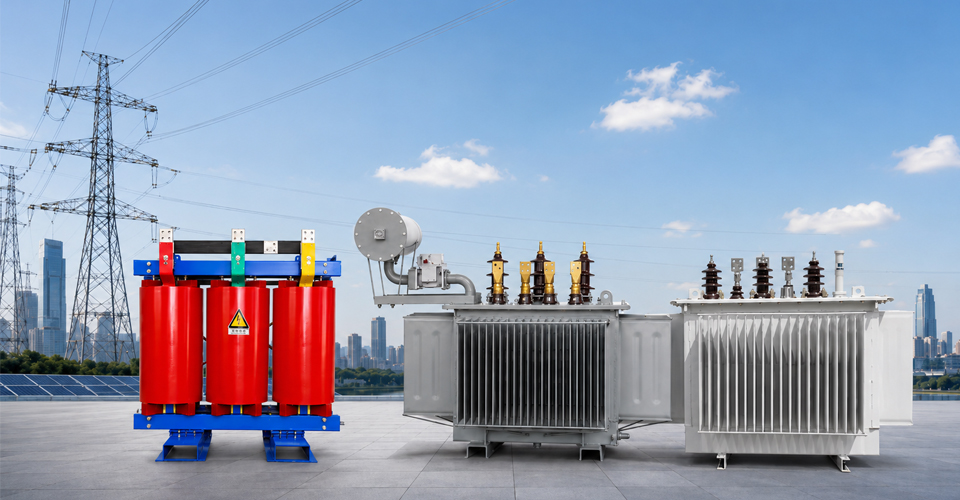
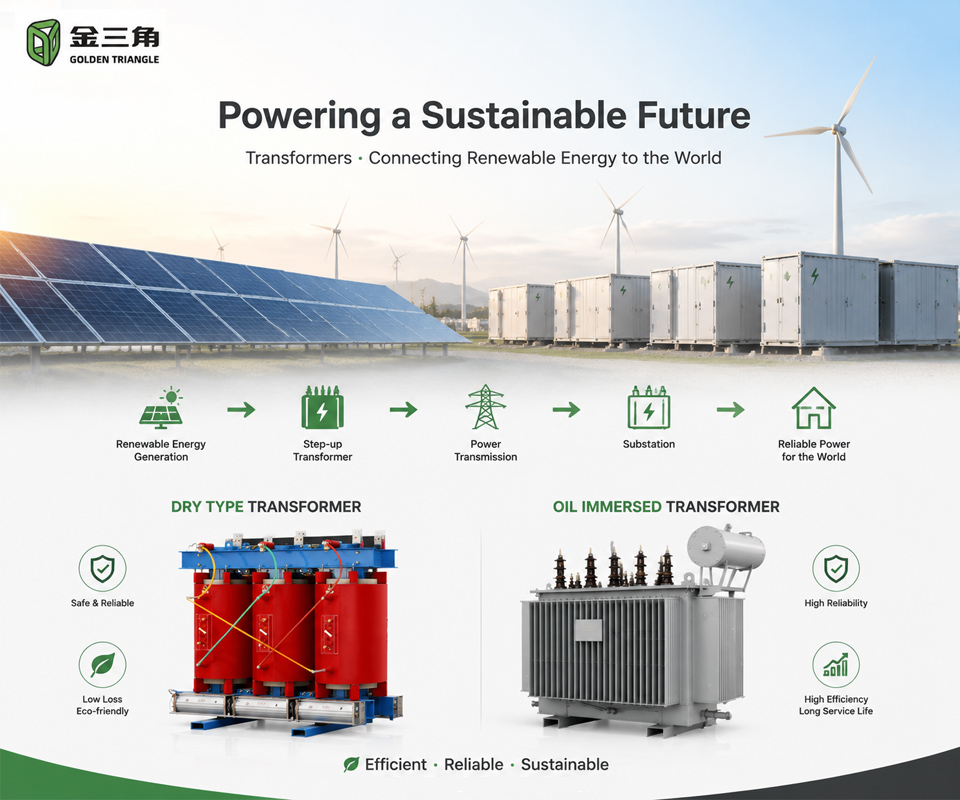
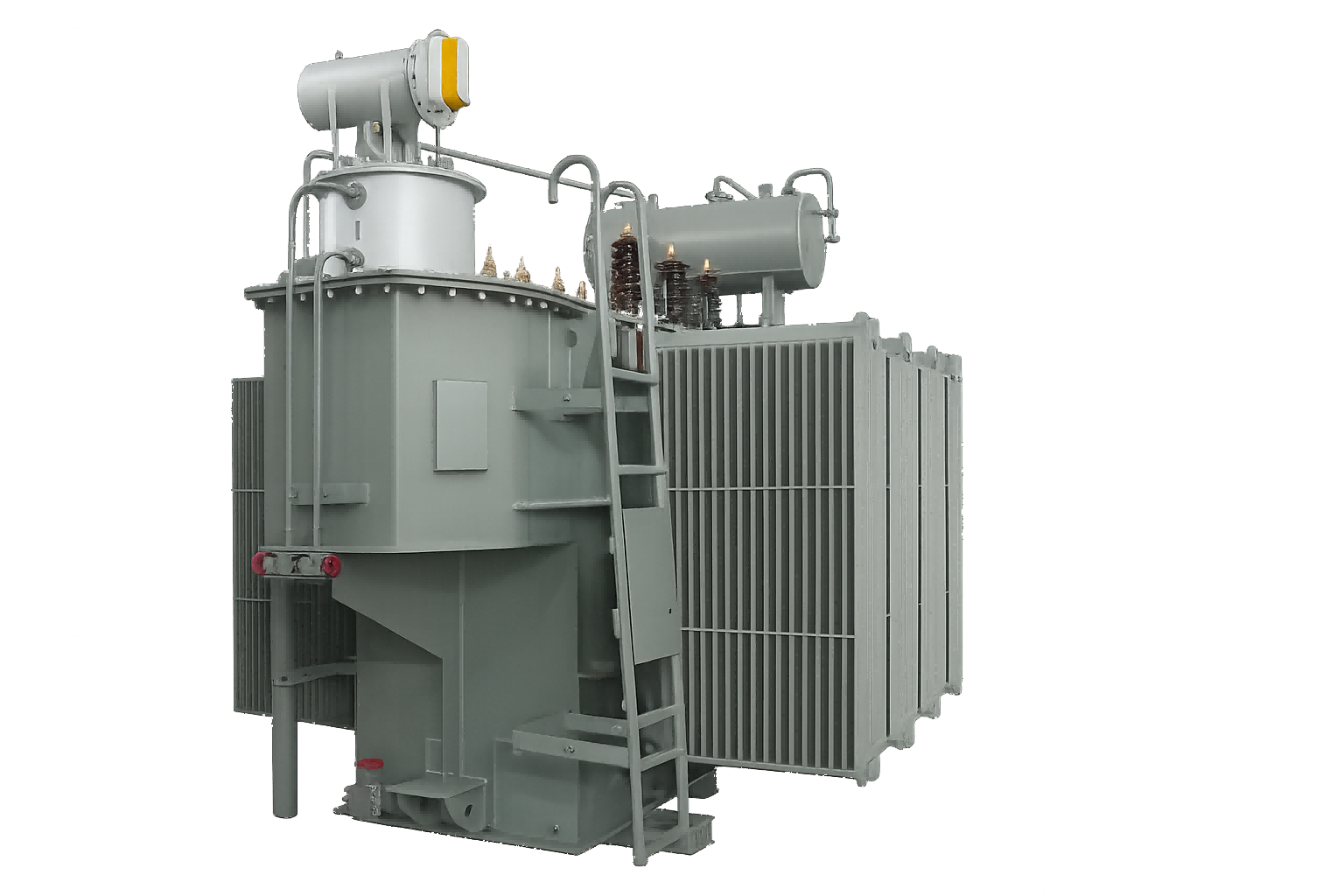
A three-dimensional triangular core transformer utilizes a continuous wound core structure to provide a three-dimensional magnetic circuit. Compared to traditional laminated-core transformers, this solution ensures better magnetic flux distribution, lower no-load losses, and higher operating efficiency. Three-dimensional triangular core transformers include two major types: oil immersed three-dimensional triangular core transformers and dry type three-dimensional triangular core transformers. Each type provides different advantages according to specific application requirements.
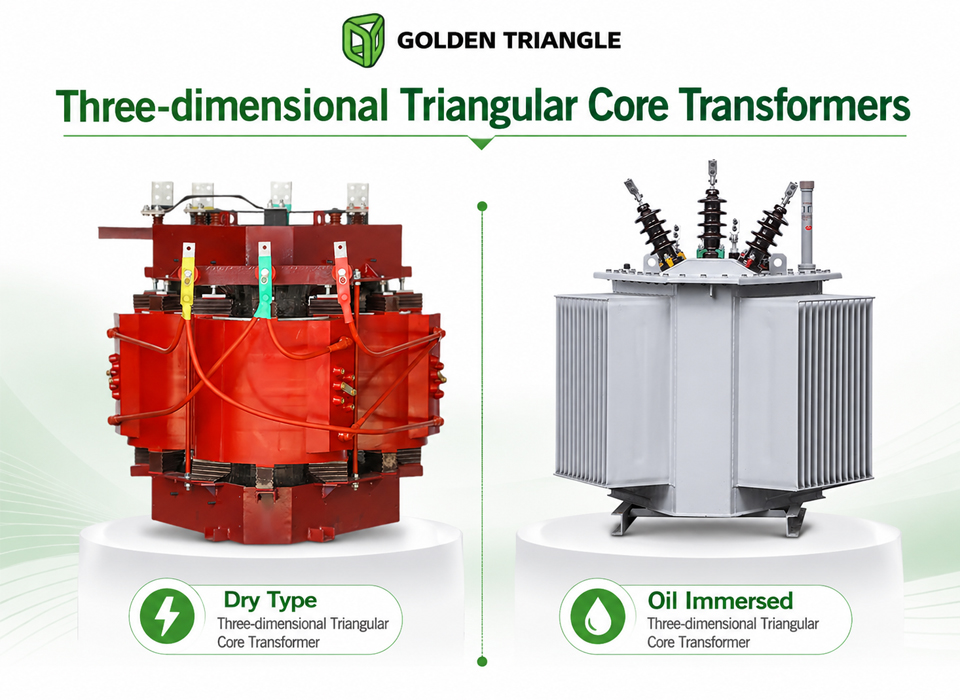
Working principle of three-dimensional triangular core transformer technology
The technology behind three-dimensional triangular core transformeris based on advanced transformer core design principles. The designed transformer core structure creates a more balanced magnetic circuit, which lowers magnetic resistance, improves flux distribution, and helps minimize no-load losses. This design allows The Transformer to operate efficiently under different load conditions while reducing long-term maintenance costs.
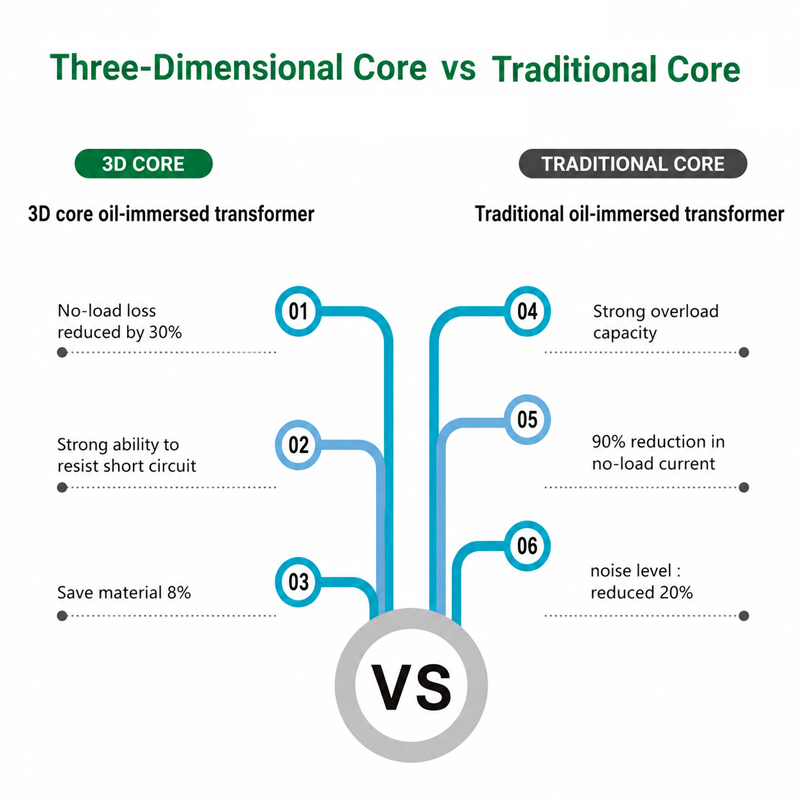
Comparison of three-dimensional and traditional transformers
Three-dimensional triangular core transformersdemonstrate improved performance compared with traditional transformer designs. Traditional transformer designs may experience higher losses due to less optimized magnetic circuits. In comparison, with the three-dimensional triangular core transformer state-of-the-art design, energy usage decreases tremendously. This aspect of the low loss transformer also means a longer working period and less money that should be spent on maintenance.
| Parameter | Traditional Transformer | Three-Dimensional Triangular Core Transformer |
| Core structure | Traditional laminated core | Three-dimensional wound core |
| Magnetic circuit | Conventional magnetic path | Optimized magnetic path |
| No-load loss | Higher | Lower |
| Noise Level | Higher | Lower |
| Energy efficiency | Standard | Improved |
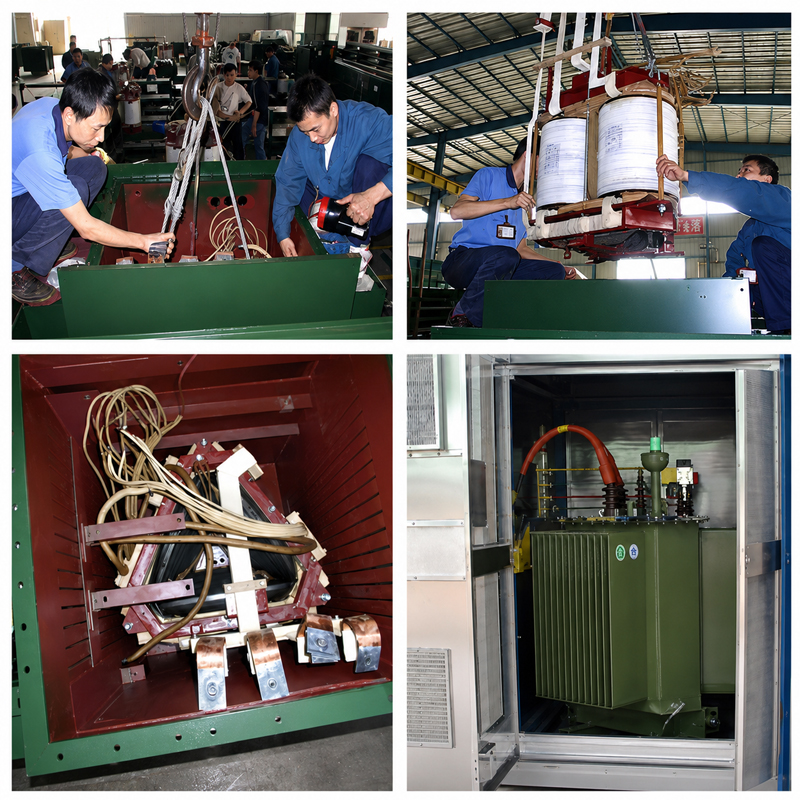
Applications of Three-Dimensional Triangular Core Transformers
The three-dimensional triangular core transformer can be used in many industries because of its versatility. The most common applications are:
- Power distribution systems
- Industrial facilities
- Renewable energy projects
- Commercial facilities
The adaptability of the transformer to various conditions makes it useful in modern energy applications.
Why Choose Golden Triangle Three-Dimensional Triangular Core Transformer?
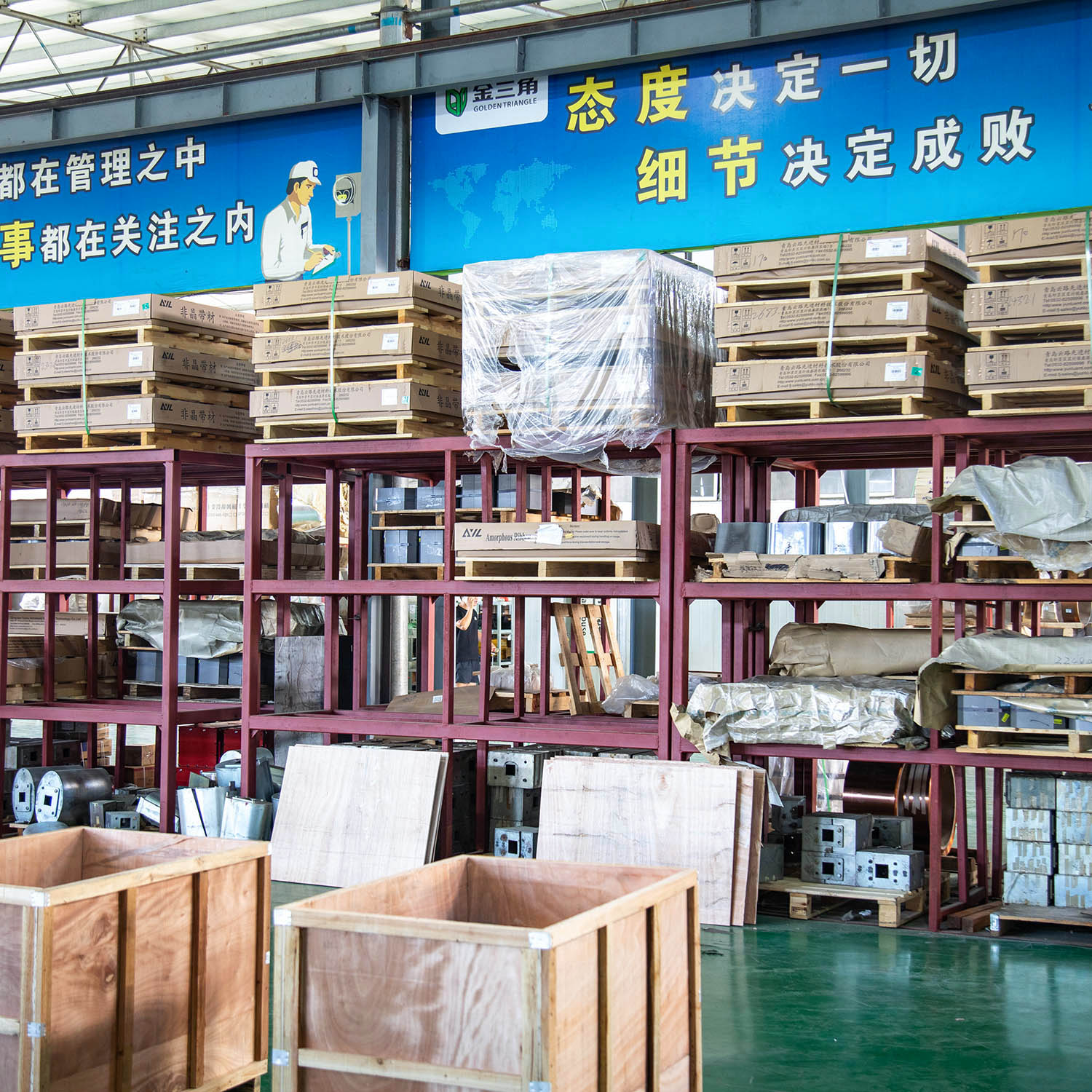
Golden Triangle applies three-dimensional triangular core technology to develop low loss transformer solutions. With more than 200 employees and a 50,000+㎡ production facility, Golden Triangle has developed strong transformer manufacturing capabilities. Moreover, each transformer goes through several testing procedures before being shipped. The features listed above make it a great option for companies looking for new electrical solutions.
FAQ
What is the difference between oil immersed and dry type three-dimensional triangular core transformers?
Oil immersed transformers use transformer oil for insulation and cooling, making them suitable for outdoor power distribution applications. On the other hand, dry type transformers do not need oil, which makes them safer and economically viable for indoor use.
How do three-dimensional triangular core transformers improve energy efficiency?
The unique three-dimensional triangular core structure helps reduce magnetic losses, allowing transformers to achieve higher energy efficiency.
Are there any demands for maintenance for three-dimensional triangular core transformers?
Three-dimensional triangular core transformers often require less maintenance than traditional models. However, regular audits are needed for the effective work of the transformers.
In conclusion, the three-dimensional triangular core transformer represents an important advancement in electrical distribution technology. With its energy efficiency, long service life and adaptability, this technology provides reliable and energy-efficient solutions for modern power distribution systems.