National hotline:+86 18809263088
Leave Your Message
0%

So, what's the best China Potential Transformermanufacturer? Honestly, there isn't one simple winner. It really comes down to accuracy, insulation design, delivery control, and real-world field performance. A Potential Transformer, also called a Voltage Transformer, steps down high voltage so it can be used for metering, protection, and monitoring. It has to keep a stable ratio even under tough grid conditions.

Recent industry reports show why choosing a supplier isn't just about comparing prices. MarketsandMarkets' 2024 transformer market analysis points to grid expansion, renewable integration, and infrastructure replacement as major demand drivers. Fortune Business Insights also reports continued growth in global transformer investment, though those figures cover transformer categories more broadly. What these reports don't do is rank Chinese Potential Transformer manufacturers directly. And that gap matters.

IEC 61869-1 and IEC 61869-3 give you important requirements for instrument transformers. Buyers should dig into accuracy class, rated burden, insulation level, partial discharge performance, and routine test records. Factory experience often shows up in the little things: traceable copper, sealed terminals, clean casting surfaces, and clearly labeled test equipment.

A few Chinese manufacturers might be worth evaluating, including China XD Electric Co., Ltd., Sieyuan Electric Co., Ltd., and TBEA Co., Ltd. But company size alone can't prove a product is suitable. A smaller specialist might offer faster engineering support. A larger group might bring stronger testing capacity and export experience. Neither option is automatically the best.

The practical answer? Go by evidence. Ask for type-test reports, recent project references, calibration records, and dimensional drawings. Check whether the proposed model actually matches your voltage class and protection scheme. Some online comparisons sound way too confident. Real performance depends on your application, not reputation alone. A careful shortlist helps protect both measurement accuracy and long-term operating reliability.
What Is the Best China Potential Transformer Manufacturer?

Definition and Role of Potential Transformers in Power Systems

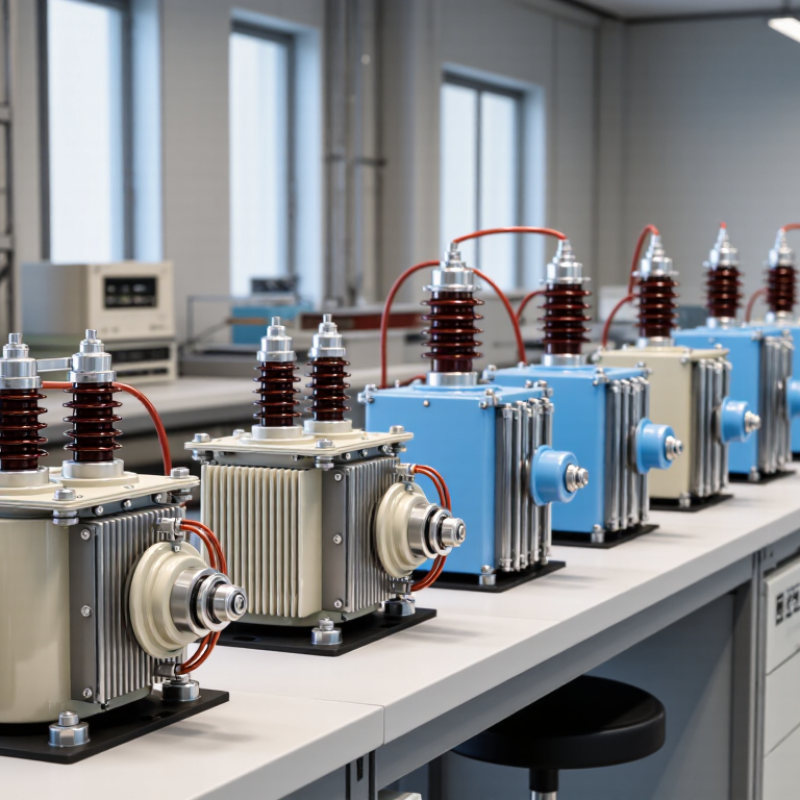
In power systems, a potential transformer (PT), also called a voltage transformer, reduces high voltage to a safer, measurable level. Its primary winding connects to the high-voltage circuit, while its secondary winding supplies meters, relays, and control equipment. This electrical separation helps technicians inspect voltage without approaching energized conductors directly. A PT must reproduce voltage accurately, even when the system experiences changing loads or disturbances.

Its role extends beyond measurement. Protection relays use PT signals to detect faults, abnormal voltage, and synchronization problems. Accuracy class, rated burden, insulation level, frequency, and grounding method all influence performance. During field inspections, engineers should check terminal markings, insulation condition, and secondary connections. A loose connection can create misleading readings. Small errors matter.

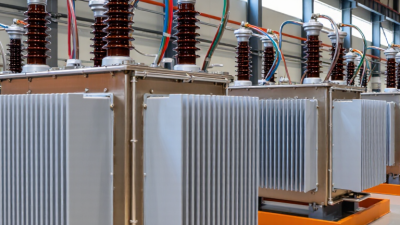
When evaluating a China potential transformer manufacturer, buyers should examine design records, routine test reports, type-test evidence, and quality-control procedures. Factory experience with outdoor Substations, switchgear, and harsh climates can reveal practical competence.OEM Potential Transformer Quotes should clearly identify the ratio, accuracy class, burden, enclosure, testing scope, and delivery conditions. A low price may hide missing tests or unsuitable insulation. Even experienced teams can overlook application details. That is why technical drawings and site conditions deserve careful review before production begins. Reliable manufacturing is not only about equipment; it depends on traceability, trained inspectors, and honest communication when specifications need revision.

Key Technologies Used in China’s Potential Transformer Manufacturing

China’s potential transformer manufacturing increasingly depends on precise electromagnetic design and disciplined process control. High-grade grain-oriented silicon steel helps reduce core loss and improve voltage accuracy. Computer-based simulations also help engineers balance turns ratio, burden, temperature rise, and insulation stress before production begins.

The winding stage requires clean conductors, controlled tension, and carefully selected insulation materials. Vacuum drying removes moisture that could weaken insulation during long-term operation. For cast-resin units, automated mixing and pressure casting reduce air voids around the windings. Oil-filled designs require sealed tanks, filtered oil, and leak testing. Small details matter.

Reliable manufacturers also use digital testing systems for ratio error, polarity, dielectric strength, and partial discharge. Calibrated instruments create traceable records for each unit. Factory acceptance testing should follow applicable international and national standards, with clear inspection data available to buyers. Engineers may also review incoming materials, production temperature, and storage conditions.

Yet no process is flawless. A clean workshop does not guarantee perfect insulation, and automated equipment still needs skilled supervision. One overlooked moisture reading can affect field reliability years later. Buyers should examine test methods, staff qualifications, correction procedures, and service records rather than judging a factory by equipment alone.

Key Accuracy Technologies in China’s Potential Transformer Manufacturing

The chart presents the maximum ratio error and phase displacement limits for commonly used metering potential-transformer accuracy classes under IEC 61869-3. Lower limits indicate tighter measurement performance, supported by precision winding design, high-quality insulation systems, controlled magnetic-core performance, and advanced calibration technology.

Quality Standards for Evaluating Potential Transformer Manufacturers

The best China potential transformer manufacturer should be judged by evidence, not attractive pricing. IEC 61869-3 defines requirements for inductive voltage transformers, including insulation, accuracy, and routine testing. IEEE C57.13 also provides recognized accuracy classifications for instrument transformers. Ask for complete test records, not a polished sample certificate.

A factory should show ratio-error and phase-displacement results at rated voltage. Partial-discharge data matters too. Small details matter. Check calibration dates, test equipment serial numbers, and traceability from copper winding to final assembly. An audit should also examine oil processing, terminal sealing, and the cleanliness of the winding area. A dusty workshop can signal weak process discipline.

The IEA’s Electricity Grids and Secure Energy Transitions report estimates that annual global grid investment must exceed 600 billion dollars by 2030, nearly double current levels. This pressure may encourage faster sourcing, but speed should not replace verification. When comparing ODM Potential Transformer Quotes, evaluate warranty scope, type-test validity, delivery records, and failure-response procedures. A low quote may exclude field testing or spare terminals. That is easy to miss. Reviewers should also question inconsistent data. A perfect report can be less convincing than a transparent correction. Manufacturers that document deviations, corrective actions, and repeat-test results usually demonstrate stronger engineering control.

What Is the Best China Potential Transformer Manufacturer? - Quality Standards for Evaluating Potential Transformer Manufacturers

Evaluation Dimension What to Evaluate Relevant Standard or Reference Objective Evidence to Request Suggested Weight
Applicable Product Standard Confirm that the potential transformer, also called an inductive voltage transformer, is designed for the required voltage level, frequency, insulation system, and measurement or protection duty. IEC 61869-1 and IEC 61869-3; IEEE C57.13 where applicable. Approved technical datasheet, applicable standard edition, rated voltage, frequency, insulation level, and declared accuracy class. 10%
Measurement Accuracy Assess ratio error and phase displacement at the specified burden and operating voltage. Accuracy requirements should match metering or protection applications. IEC 61869-3 accuracy classes include 0.1, 0.2, 0.5, 1.0, 3P, and 6P, subject to the selected application and rating. Calibration certificate, test curves, ratio-error results, phase-displacement results, and declared burden range. 15%
Routine Testing Verify that every production unit receives documented routine tests before shipment rather than relying only on design or type-test results. IEC 61869-1 and IEC 61869-3 routine-test requirements. Sample routine-test report covering winding resistance, polarity, ratio, accuracy, insulation, and other applicable checks. 12%
Type and Special Tests Check whether the product design has passed tests appropriate for its insulation level, enclosure, environment, and intended installation. IEC 61869 series; project specifications may add special tests. Independent laboratory report or traceable internal report for impulse, temperature-rise, environmental, and other applicable tests. 10%
Insulation Performance Evaluate power-frequency withstand, lightning impulse withstand, and insulation coordination for the specified highest system voltage. IEC 61869-1 and the applicable insulation-level tables; local grid specifications may impose additional values. Insulation-test records showing rated withstand levels, test configuration, applied voltage, duration, and result. 12%
Partial Discharge Control Review partial-discharge measurement capability, test conditions, declared limits, and the consistency of results between production batches. IEC 61869-1 and the project-specific partial-discharge requirement. Partial-discharge test report, measurement method, background-noise level, test voltage, acceptance criterion, and equipment calibration record. 8%
Thermal and Load Capability Confirm continuous burden, thermal stability, temperature-rise performance, and suitability for the connected protection or metering devices. IEC 61869-1 and IEC 61869-3; final values depend on design and installation conditions. Rated burden information, temperature-rise report, thermal calculation, and evidence that secondary terminals will not be overloaded. 8%
Design and Material Control Assess insulation materials, winding process, sealing, terminal design, grounding provisions, and control of critical incoming materials. Applicable IEC or national product standard and approved project drawings. Bill of materials, incoming-inspection records, process-control plans, material certificates, and change-control procedures. 8%
Quality Management System Evaluate documented procedures for design review, nonconformance control, corrective action, traceability, internal audits, and customer complaints. ISO 9001 certification is a useful management-system reference but does not replace product testing. Valid certificate, certification scope, audit status, quality manual summary, corrective-action records, and batch traceability example. 8%
Factory and Laboratory Capability Check whether testing equipment is suitable, calibrated, maintained, and operated by qualified personnel. ISO/IEC 17025 is a reference for laboratory competence; calibration traceability should be demonstrated. Equipment list, calibration certificates, laboratory procedures, operator qualifications, and sample test demonstrations. 7%
Environmental and Mechanical Suitability Verify ambient-temperature range, altitude, humidity, pollution, seismic conditions, corrosion protection, ingress protection, and transport requirements. IEC 61869 requirements plus the purchaser’s installation and environmental specifications. Environmental ratings, enclosure or sealing details, mechanical drawings, coating specification, and applicable qualification reports. 5%
Documentation, Delivery, and After-Sales Support Assess drawing approval, instruction manuals, spare parts, warranty terms, technical response time, packaging, and delivery consistency. Contract requirements, approved quality plan, and applicable export or installation regulations. Document index, inspection and test plan, packing specification, warranty statement, delivery records, and service-response procedure. 5%
Total Suggested Evaluation Weight 100%

Note: Acceptance limits, insulation levels, accuracy classes, burdens, and test scope must be confirmed against the purchaser’s technical specification and the applicable edition of the selected standard.

Leading Capabilities of China’s Potential Transformer Suppliers

What Is the Best China Potential Transformer Manufacturer?

China’s leading potential transformer suppliers combine mature production with strict grid-specific testing. Their capabilities include epoxy insulation, oil-immersed designs, GIS applications, and low-partial-discharge construction. IEC 61869-3 defines key requirements for instrument transformers, including accuracy, insulation, and temperature performance. Experienced manufacturers usually test these points before shipment, not only during final inspection.

Market demand is rising with grid expansion. The IEA’s World Energy Investment 2024 report estimates global grid investment at about 400 billion US dollars annually. It also states that investment must nearly double by 2030. IRENA’s Renewable Capacity Statistics 2024 recorded 473 GW of renewable capacity added in 2023, with China contributing roughly 298 GW. These figures increase the need for reliable voltage measurement near substations, renewable plants, and industrial loads. Yet, high output does not always mean perfect consistency. Supplier selection still requires evidence.

Tips: Request type-test reports, routine-test records, and calibration certificates. Check accuracy classes, burden ratings, insulation levels, and altitude limits. Ask for traceable material records. A factory video is useful, but an independent inspection is stronger. Compare drawings carefully. Small terminal differences can cause installation delays. Also review after-sales response times, because a technically capable supplier may still communicate poorly. That part is often overlooked.

How to Compare Products, Certifications, and Technical Support

What Is the Best China Potential Transformer Manufacturer?

Choosing the best China potential Transformer manufacturer requires more than comparing prices. During substation projects, I have seen small design differences affect metering accuracy and relay performance. Check the rated voltage, transformation ratio, accuracy class, burden, insulation level, and temperature rise. Ask for drawings before placing an order. Numbers matter.

Certification documents should match the exact product and application. Look for quality management evidence, routine test records, and compliance with relevant IEC 61869 requirements. A general certificate is not enough. Request type-test reports, calibration records, and traceability for core materials. Verify whether testing covers your voltage level, frequency, and installation environment. Scope matters more than logos.

Technical support often separates a dependable supplier from an average one. Confirm whether engineers review wiring diagrams, grounding methods, and terminal layouts before production. Ask about factory acceptance testing, inspection access, packaging, and installation guidance. A useful supplier should answer technical questions with calculations, not vague promises. Response time matters. Spare parts and troubleshooting procedures should be documented clearly.

I once focused too heavily on certification lists and overlooked communication quality. That was a mistake. A supplier may offer compliant equipment but lack experience with unusual humidity, altitude, or compact switchgear. Request references from comparable projects, but verify them independently. Compare test evidence, engineering depth, and after-sales support together. The lowest quotation can become expensive when commissioning delays begin.

Choosing the Best China Potential Transformer Manufacturer for Your Needs

Choosing the best China potential transformer manufacturer requires more than comparing online prices. The right supplier should understand voltage measurement, insulation coordination, accuracy classes, and site conditions. Ask for detailed technical drawings, routine test reports, and traceable material records. These documents reveal how seriously the manufacturer controls quality.

Factory experience matters. During a supplier evaluation, inspect winding areas, insulation storage, and final testing equipment. Clean workspaces do not prove everything, but neglected details often signal deeper problems. Confirm whether the manufacturer can perform ratio, polarity, partial discharge, and dielectric tests. Their engineers should explain results clearly, not hide behind certificates. A potential transformer must also match your switchgear, protection system, climate, and installation method.

Communication is equally important. Discuss lead times, packaging, spare parts, warranty terms, and technical support before signing an order. A reliable manufacturer responds with specific answers and accepts reasonable design changes. Avoid choosing only by the lowest quotation. It may exclude testing, transport protection, or commissioning guidance. That creates expensive surprises later.

I have seen projects focus heavily on price and overlook documentation. That mistake is easy to repeat. A manufacturer producing Power Transformer equipment may not automatically specialize in potential transformers. Verify actual product experience through inspection records, sample reports, and customer references. No supplier is perfect. What matters is transparent control, measurable performance, and the willingness to correct weaknesses.

FAQS

What does a potential transformer do?

It reduces high voltage to a safer, measurable level. Its secondary winding supplies meters, relays, and control equipment. Electrical separation keeps technicians away from energized conductors.

Why is accuracy important in a potential transformer?

Protection relays depend on accurate voltage signals. Small errors can cause misleading measurements or poor fault decisions. Accuracy class and rated burden directly affect performance.

Which technical details should buyers specify?

Specify the voltage ratio, accuracy class, burden, insulation level, frequency, enclosure, and grounding method. Include altitude, climate, and installation conditions. Missing one detail can create delays.

What tests should a supplier provide?

Request routine-test records, type-test evidence, calibration certificates, and material traceability. Important tests include ratio, polarity, partial discharge, and dielectric performance. Certificates alone are not enough.

How can buyers evaluate a potential transformer factory?

Inspect winding areas, insulation storage, and final testing equipment. Ask for drawings and sample reports. A clean factory helps, but it proves little by itself.

Can a low quotation indicate a problem?

It can. A low price may exclude testing, protective packaging, transport support, or commissioning guidance. The missing details often appear later, when changes cost more.

Does experience with other transformers guarantee suitable performance?

No. Experience with power transformers does not automatically prove potential transformer expertise. Verify actual product records, inspection results, and application experience.

What should be checked before production begins?

Review technical drawings against switchgear, protection systems, and site conditions. Confirm terminal markings and secondary connections. I might overlook a small difference, too. That mistake matters.

Why does communication affect project reliability?

Suppliers should explain test results clearly and confirm delivery, warranty, spare parts, and support terms. Honest communication helps correct design weaknesses. Silence is risky.

Conclusion

Choosing the best China Potential Transformer manufacturer requires more than comparing prices. A Potential Transformer is essential in power systems because it safely reduces high voltage to measurable levels for metering, protection, monitoring, and control. Reliable manufacturers combine advanced technologies such as precise electromagnetic design, high-quality insulation systems, vacuum casting, and strict production testing to ensure stable performance in demanding operating conditions.

When evaluating suppliers, buyers should examine accuracy classes, insulation strength, thermal performance, environmental resistance, manufacturing consistency, and compliance with recognized international and industry standards. Certifications, laboratory testing, quality management systems, customization capabilities, delivery reliability, and technical support are also important factors. The ideal manufacturer should provide clear product documentation, responsive engineering assistance, installation guidance, and after-sales service. By comparing technical specifications, certification records, production capacity, testing procedures, and support resources, customers can select a dependable partner whose Potential Transformer products match their grid requirements, safety expectations, and long-term operational goals.
Sophie

Sophie

Sophie is a dedicated marketing professional at Golden Triangle Power Technology Co., Ltd., where she leverages her expertise to highlight the company's innovative products and services. With a deep understanding of the power technology sector, Sophie plays a crucial role in crafting informative......
Previous How to Choose the Right Types of Transformer?