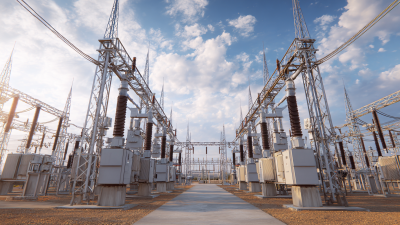
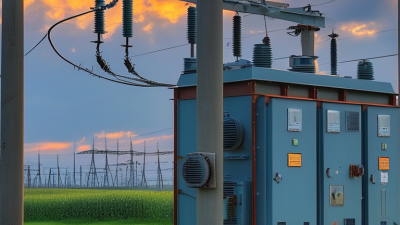
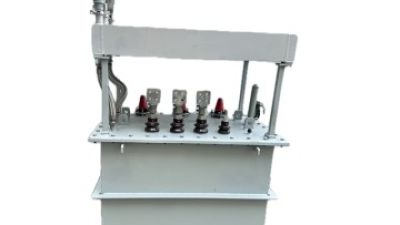
Picking a trustworthy supplier for your Step Up Down Transformer isn't just about comparing prices. Sure, cost matters, but performance really hinges on things like voltage accuracy, insulation quality, how well it handles heat, and whether the supplier offers good long-term support. In this guide, we take a look at ten well-known international brands—think ABB, Siemens Energy, Schneider Electric, Hitachi Energy, and GE Vernova.
We consider a bunch of factors beyond just the brand names, like their manufacturing experience, the quality of their technical docs, testing standards, customization options, how quickly they can deliver, and how solid their after-sales support is. Plus, we look at the different applications—whether it's renewables, industrial setups, rail networks, commercial buildings, or lab equipment. A good supplier should be transparent, offering clear ratings, certified test results, helpful installation tips, and practical maintenance advice.
Details really do matter.
Some folks might search for something like “Step And Step Down Transformer,” but honestly, that's not the most accurate phrase. The industry usually calls it a Step Up Down Transformer—basically, a device that boosts or drops voltage within its designed operating limits. Also, keep in mind that the top-ranked supplier somewhere might not be the best choice everywhere. Support quality can vary depending on your region, the size of your project, or how readily they can supply parts.
Just because a manufacturer is big and famous doesn’t automatically mean they'll give you the fastest or best support in your area. Sometimes, a smaller, specialist company might communicate better, offer quicker turnaround times, and be more responsive. That’s why, when comparing options, we’re not just looking at brand reputation. Instead, we focus on verifiable details—like their product range, factory capabilities, compliance certifications, and how responsive their customer service is. But, of course, you should double-check specifications directly with each supplier before making your final call—getting this right can save you from heat issues, downtime, or costly redesigns down the line.
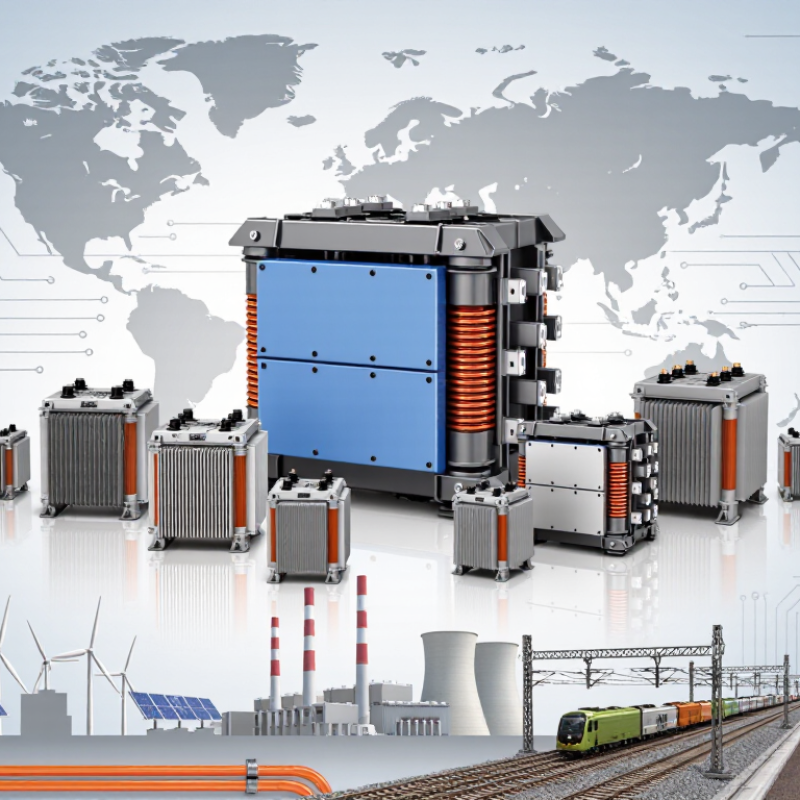
What Step-Up and Step-Down Transformers Do
A Step Up Step Down Transformer changes alternating-current voltage through electromagnetic induction. A step-up unit raises voltage for transmission, reducing current and limiting resistive losses across long conductors. A step-down unit lowers voltage near factories, offices, and homes. The same basic principle serves both directions, but winding design, insulation, cooling, and protection requirements differ.
The numbers show why this equipment matters. The International Energy Agency’s Electricity 2024 report projects global electricity demand will grow by more than 4% in 2024 and 2025. Higher demand places more pressure on transmission and distribution networks. The U.S. Department of Energy estimates updated distribution-transformer efficiency standards could save about 3.6 quadrillion British thermal units over 30 years. Small efficiency gains become significant when transformers operate continuously.
In field work, engineers check load profiles before selecting a Step Up Step Down Transformer. A warehouse may need lower voltage for lighting but higher voltage for a private distribution line. A Transformer running at only30% load can still consume energy through core losses. That detail is easy to miss. Temperature also matters; a hot enclosure, loose connection, or undersized cable can shorten service life. The IEEE C57 transformer standards provide widely used testing and performance guidance, yet standards do not replace site measurements. Real installations are rarely perfect.
How Global Transformer Suppliers Are Evaluated
A credible Top 10 step-up and step-down transformer list should measure more than production volume. Supplier evaluation begins with verified engineering performance, field experience, and transparent delivery records. The International Energy Agency’s Electricity Grids and Secure Energy Transitions report estimates that annual grid investment must exceed 600 billion US dollars by 2030. That pressure makes dependable transformer capacity increasingly important. Not just factory size.
Technical assessment should follow IEC 60076 requirements, including temperature rise, insulation strength, impedance, short-circuit resistance, and load-loss testing. Buyers should request certified test reports, traceable materials, and documented quality systems. The U.S. Department of Energy has reported that large transformer lead times can extend beyond 36 months. Therefore, production capacity, spare-part support, and repair response deserve weighted scores. Efficiency matters too. Even small loss reductions can produce measurable savings across substations operating continuously.
Independent evaluation also examines installation records, warranty handling, safety procedures, and performance under local climate conditions. A supplier with strong laboratory results may still struggle with humid sites, unstable transport, or delayed commissioning. That weakness is easy to overlook. Rankings should disclose scoring methods and separate verified evidence from sales claims. Industry reports provide useful benchmarks, but they cannot replace site inspections or customer references. A fair list may remain imperfect, especially when private suppliers publish limited data. That limitation should be stated openly.
Top 10 Step-Up Down Transformer Suppliers Worldwide
Top 10 Step-Up Down Transformer Suppliers Worldwide
The top ten step-up down transformer suppliers worldwide are usually judged by engineering depth, testing discipline, and service reach. A reliable supplier should support voltage ratios from low-voltage equipment to high-voltage distribution systems. It should also provide clear kVA ratings, frequency compatibility, insulation classes, and temperature-rise data.
Field experience shows that application details matter more than a polished catalogue. A workshop may need a compact 5 kVA unit, while a renewable energy site may require several hundred kVA.
Strong suppliers offer dry-type and oil-immersed designs, copper or aluminium windings, and enclosures suited to dust, moisture, or outdoor exposure.
Factory routine tests should cover winding resistance, ratio accuracy, insulation strength, and load performance. Documentation matters.
The best suppliers usually maintain testing laboratories, trained application engineers, and regional service teams. They can explain efficiency losses, inrush current, noise levels, and maintenance intervals without hiding technical limits.
Compliance with recognized electrical standards also improves purchasing confidence, but certificates should be verified for the exact model.
No ranking is perfect. I would question any supplier promising universal compatibility without reviewing site conditions. Even experienced buyers can overlook harmonics, altitude, or severe voltage fluctuation. A careful supplier asks difficult questions before accepting the order.
Supplier Profiles, Product Ranges, and Market Strengths
The top ten step-up and step-down transformer suppliers serve utilities, factories, railways, and renewable projects. The International Energy Agency reported in 2023 that annual grid investment must rise from about $600 billion to over $900 billion by 2030. That pressure increases demand for reliable transformer capacity.
Supplier profiles differ by product depth. Some focus on oil-immersed power units for substations. Others manufacture dry-type transformers for hospitals, towers, and indoor industrial plants. A Step Down Transformer supports safer voltage distribution near equipment. Several suppliers also offer furnace, traction, rectifier, and renewable-energy transformers. Their strongest capabilities include high-voltage testing, low-loss core design, and custom impedance control. Compliance with IEC 60076 or IEEE C57 standards remains a practical screening point.
Market strength also depends on service. Regional factories can shorten delivery times, while global engineering teams manage complex installations. The U.S. Department of Energy has highlighted extended lead times and supply-chain pressure for large transformers. That makes spare-parts planning and field technicians important. Digital temperature monitoring is increasingly common, but it is not a substitute for maintenance. This matters more than glossy specifications. Some published supplier claims still need independent verification, especially for efficiency, noise, and delivery performance. Buyer evaluations should examine test records, warranty terms, installed references, and failure-response procedures.
This comparative chart summarizes the main strengths commonly used to evaluate leading step-up and step-down transformer suppliers worldwide. The scores are normalized from publicly documented supplier capabilities, including voltage coverage, product breadth, grid-project experience, renewable-energy integration, customization, and global service reach. A higher score indicates stronger relative positioning in that category.
Regional Manufacturing and Distribution Landscape
The global market for step up down transformers is regional, not uniform. East Asia remains a major manufacturing base, supported by dense component networks and high-volume assembly. European suppliers often emphasize engineered designs, testing records, and energy-efficiency requirements. North American production serves industrial projects where delivery certainty and customization matter. In the Middle East, Africa, and Southeast Asia, distributors often connect local demand with imported equipment. Warehouses near ports can reduce lead times, but inland transport still creates surprises. This makes supplier rankings less simple.
A reliable comparison should examine factory location, service coverage, and spare-parts access. Some manufacturers build standard units centrally, while regional partners configure enclosures, connectors, and protection systems locally. A Step Down Power Transformer may require different cooling, input ranges, or mounting details in humid coastal areas. Field experience matters here. A technically excellent unit can still disappoint when installation guidance arrives late. I have also seen delivery estimates ignore customs clearance and seasonal congestion. That weakness deserves attention, even when specifications look impressive. Buyers should request recent test documents, warranty terms, and a clear responsibility map.
Tips: Compare landed cost, not only the quoted price. Ask where final testing occurs. Check technician availability within your operating region. Confirm voltage, frequency, insulation class, and ambient-temperature ratings. Keep one approved alternative for critical projects. It may prevent a rushed purchase. Review distributor inventory physically when possible; photographs can hide missing accessories, damaged packaging, or aging stock.
How to Compare Suppliers for Different Project Requirements
Top 10 Step Up Down Transformer Suppliers Worldwide
Comparing suppliers requires more than checking price lists. Start with the project’s voltage, frequency, load profile, installation site, and expected service life. A supplier should provide clear datasheets, routine test records, and verified efficiency figures. For a Step Down Transformer, examine inrush current, thermal performance, noise levels, and enclosure protection. Outdoor sites may require sealed cabinets and corrosion-resistant finishes.
Ask each supplier to explain its design process in practical terms. Can engineers review your single-line diagram? Are factory acceptance tests available before shipment? Check delivery history, spare-part access, warranty conditions, and technical support across time zones. Certifications matter, but they do not replace evidence from real projects. I would also compare winding materials, insulation systems, cooling methods, and tap-changing options. A low quotation can become expensive when commissioning support is weak.
Tips: Build a comparison sheet with identical technical requirements. Request samples of test reports, not only certificates. Confirm lead times in writing, including customs delays. Visit a factory when the project is critical. Small details matter. I once underestimated site temperature, and the selected capacity looked adequate on paper but offered little operating margin. That mistake still deserves review. Supplier rankings can guide research, yet the best choice depends on load behavior, local standards, budget, and the supplier’s willingness to discuss uncomfortable technical questions.
Evaporative Cooling for Reliable Power Transformer Temperature Control
Evaporative Cooling for Reliable Power Transformer Temperature Control is an advanced approach to maintaining stable operating temperatures in high-load transformer systems. Unlike conventional air or oil circulation alone, evaporative cooling uses phase-change heat transfer: coolant absorbs thermal energy, changes into vapor, and releases heat through condensation. This process can improve heat removal efficiency, reduce hotspot formation, and support more consistent performance during peak demand. By limiting thermal stress, the technology is well suited to substations, renewable-energy interconnections, and other applications where transformer reliability is critical.
Thermal management directly affects insulation aging and service life. IEEE C57.91 guidance indicates that a relatively small increase in transformer hot-spot temperature can substantially accelerate insulation aging, with the commonly applied aging rule approximating a doubling of aging rate for each 6–8°C rise, depending on insulation conditions. IEC 60076-7 also emphasizes accurate thermal modeling, load monitoring, and hotspot control as essential elements of transformer operation. An evaporative cooling type temperature-controlled reliable power transformer combines these principles with responsive temperature regulation, helping maintain permissible winding temperatures, reduce overload-related deterioration, and improve operational stability without relying solely on oversized cooling equipment.
FAQS
Evaluate engineering performance, field experience, delivery records, and service support. Factory size alone proves little. Request verified evidence.
Ask for certified tests covering temperature rise, insulation strength, impedance, and short-circuit resistance. Winding resistance and ratio accuracy also matter. Documents should identify the exact model.
Large transformer delivery times can exceed 36 months. Production capacity, spare-part availability, and repair response deserve clear scoring. Delays can hold up an entire substation.
Confirm kVA rating, voltage ratio, frequency, insulation class, and temperature-rise limits. Check whether the unit is dry-type or oil-immersed. A compact workshop unit differs greatly from a renewable-energy installation.
Dust, moisture, altitude, and outdoor exposure can change the required design. Harmonics and severe voltage fluctuations also need review. A polished catalogue may miss these details.
Look for trained application engineers, testing laboratories, regional service teams, and documented warranty procedures. Ask about maintenance intervals, noise, inrush current, and repair timing. Support after delivery matters.
Efficiency affects operating costs over years of continuous service. Small loss reductions can create measurable savings across substations. The savings depend on actual loading.
No. Certificates should match the exact transformer model and current specifications. Site inspections and customer references provide stronger context. I would not trust universal compatibility claims without further checks.
Transparent scoring separates verified evidence from sales statements. It should explain how testing, delivery, service, and field records are weighted. Private suppliers may publish limited data, so every ranking remains imperfect.
Buyers may focus on price, factory size, or catalogue appearance. They can overlook harmonics, climate, transport risks, or commissioning delays. I might miss something too. Careful questions reduce that risk.
Conclusion
This article provides a practical overview of the global Step Up Down Transformer market, explaining how these transformers increase or reduce voltage to support safe and efficient power transmission, industrial equipment, renewable energy systems, and commercial applications. It outlines the main technical, operational, and service factors used to evaluate international suppliers, including product quality, manufacturing capacity, efficiency, safety compliance, customization options, testing procedures, delivery capability, and after-sales support.
The article also introduces ten leading supplier categories without focusing on specific brand names, comparing their product ranges, engineering strengths, regional manufacturing resources, and distribution networks. It examines how supplier capabilities differ across Asia, Europe, North America, and other major markets, while highlighting the importance of local service and logistics. Finally, readers will learn how to compare suppliers according to project voltage requirements, load capacity, installation environment, budget, lead time, maintenance expectations, and long-term reliability.