

Why does the transformer get damaged? And corresponding measures。
Reason: 1. There are no fuses on both the high-voltage and low-voltage sides of the distribution transformer. Some transformers, although equipped with drop-out fuses and fuse-links, use aluminum or copper instead of iron or copper for the fuse elements. As a result, when there is a low-voltage short circuit or overload, the fuse elements cannot melt properly and may burn out The Transformer.
2. The configuration of the high and low voltage fuses in the distribution transformer is incorrect. The fuse components on transformers are generally over-sized during assembly. When overloaded severely, they can cause the transformer to burn out.
3. Due to the large number of lighting circuits in rural areas, most of them are single-phase power supply. Moreover, the randomness of wire connections during construction and the inadequate management have led to the unbalanced operation of the power distribution system. Over a long period of use, the insulation of the coil deteriorated and the transformer burned out.
4. Switching device: Unauthorized adjustment of the switching device resulted in improper positioning of the distribution switching device, causing poor contact and eventual damage. The poor quality of the transfer switch causes the star-shaped contacts to fail to make a complete connection, resulting in short circuits or discharge to the ground.
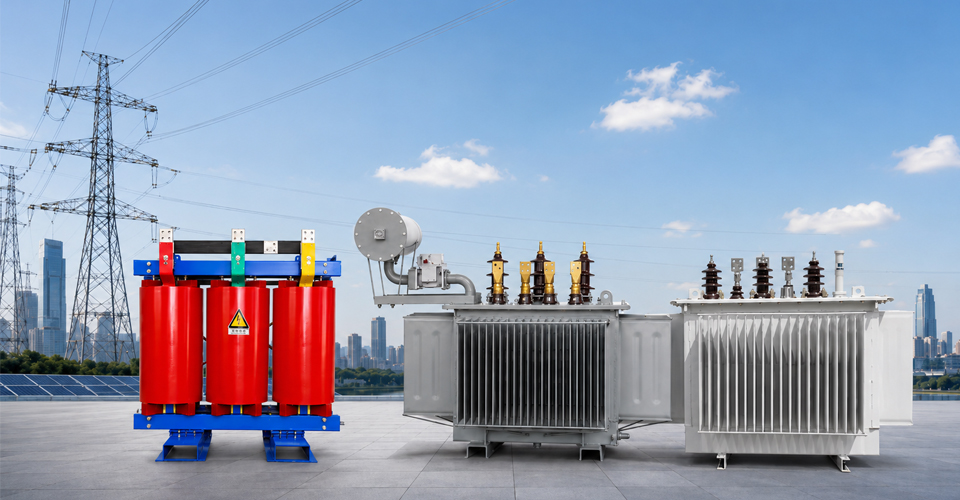
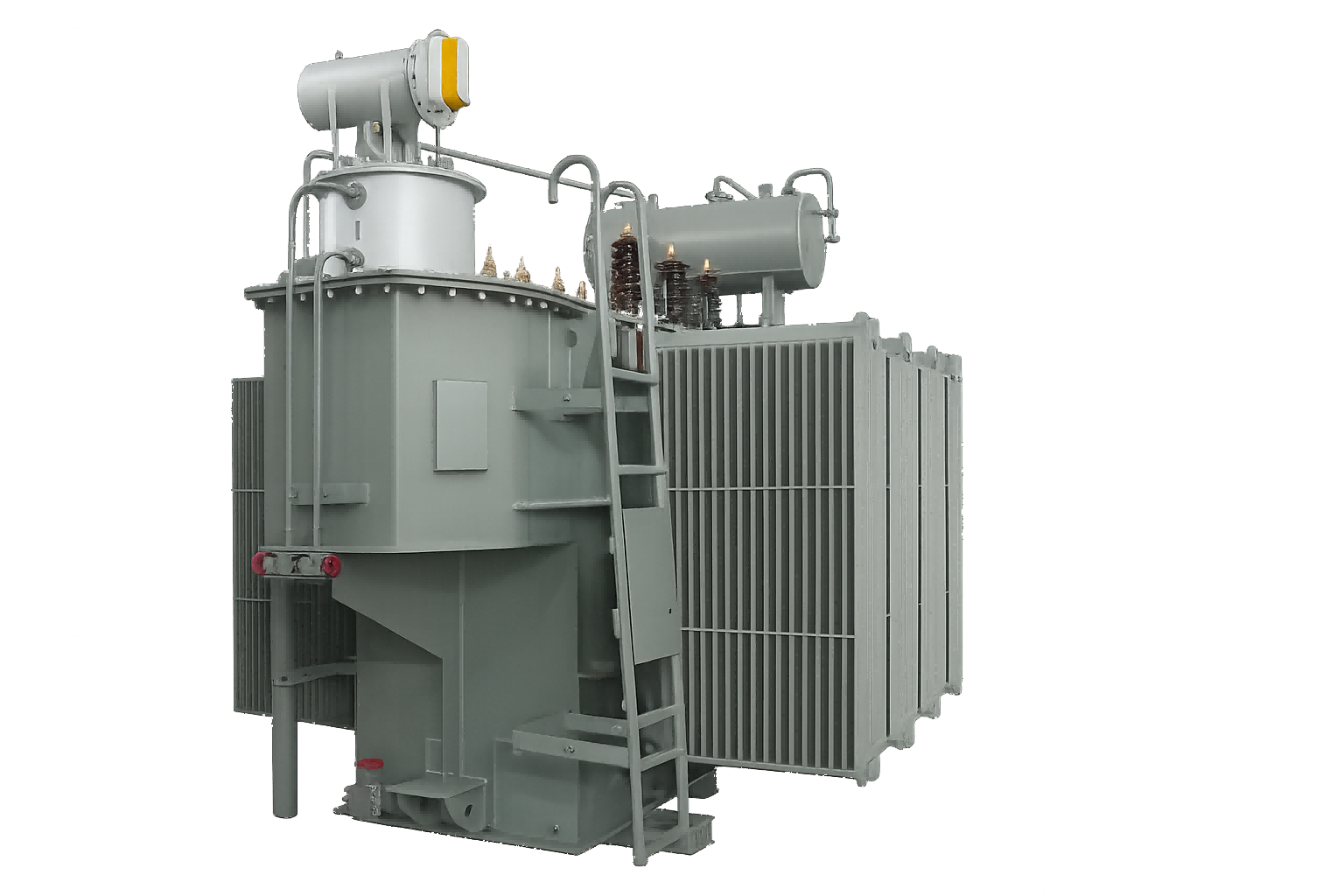
5. Oil leakage is the most common external abnormality of transformers. Since the transformer body is filled with oil, there are rubber beads and rubber pads at each connection point to prevent the leakage of the oil. After a long period of operation, some of the rubber beads in the transformer will deteriorate. The rubber pads have aged and cracked, causing oil leakage. This results in a decrease in insulation performance after it gets damp, causing discharge and short circuit, and ultimately damaging the transformer.
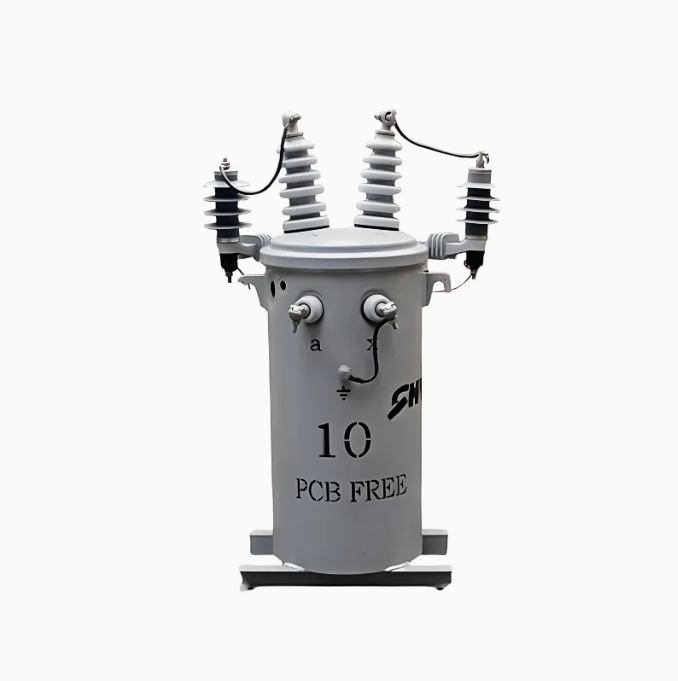
6. The high and low voltage lines of the distribution transformers are mostly brought in by overhead lines. Due to the untimely activation of the lightning arresters or the absence of 10kv lightning arresters, the transformers have been damaged. 7. When a grounding or inter-phase short circuit occurs on the low-voltage side of the distribution transformer, a short-circuit current exceeding 20-30 times the rated current will be generated. Such a large current acting on the high-voltage winding will cause significant mechanical stress within the coil. This mechanical stress will lead to the compression of the coil. Once the short-circuit fault is resolved, the stress will also disappear. If the coil is repeatedly subjected to mechanical stress, the insulating beads and pads will become loose and fall off; the iron core clamping bolts will also loosen, and the high-voltage lines will deform or break. Additionally, high temperatures will be generated, causing the transformer to burn out within an extremely short period of time.
8. Man-made damage: The lead-out wires of the transformer are made of screws, while overhead lines usually use aluminum core rubber cables. There is a high possibility of electrochemical corrosion between copper and aluminum. Pipeline flashover discharge is also a common abnormal phenomenon in transformers.
Solution: 1. During the initial installation, high and low voltage fuses should be promptly installed. During the operation of the transformer, if the fuse is found to be burned out or stolen, it should be replaced promptly.
2. Reasonable configuration of high and low voltage fuses: (1. For transformers with a capacity of over 100 kVA, the fuse should be selected at (1.5 - 2.0) times the rated current. (2. For transformers with a capacity of less than 100 kVA, the fuse should be selected at (2.0 - 3.0) times the rated current. (3. The fuse on the low-voltage side should be selected to be slightly larger than the rated current.)
3. Strengthen the measurement of electricity consumption load. During peak hours, use a clamp-type ammeter to measure the load of each distribution transformer, and adjust the load reasonably to avoid unbalanced operation of the distribution transformer.
4. For the 10kV distribution transformer's low-voltage side voltage within the range of 7% to 10%, it is generally not allowed to adjust the tap changer. When adjusting the tap changer, it should be done by the maintenance technicians for testing and adjustment.
5. Regularly check whether the three-phase currents are balanced or exceed the rated values.
6. Before the arrival of the annual thunderstorm season, all the lightning arresters of the distribution transformers should be sent to the maintenance department for inspection. Once the tests are passed, they should be installed promptly.
7.Before putting into operation, the following tests should be carried out:
Perform the opening and closing operations of the load-carrying switch three times without any malfunction.
(2) Test the emergency button three times. It should operate correctly each time.
(3) Conduct the grounding test with the test resistor three times. It should operate correctly.
8. Regularly clean the surface dirt of the distribution transformer bushing: Check for any flashover marks on the bushing, ensure good grounding, and check for any broken strands, loose welding or fractures in the grounding leads. Use an ohmmeter to measure the grounding resistance, which should not exceed 4Ω.